

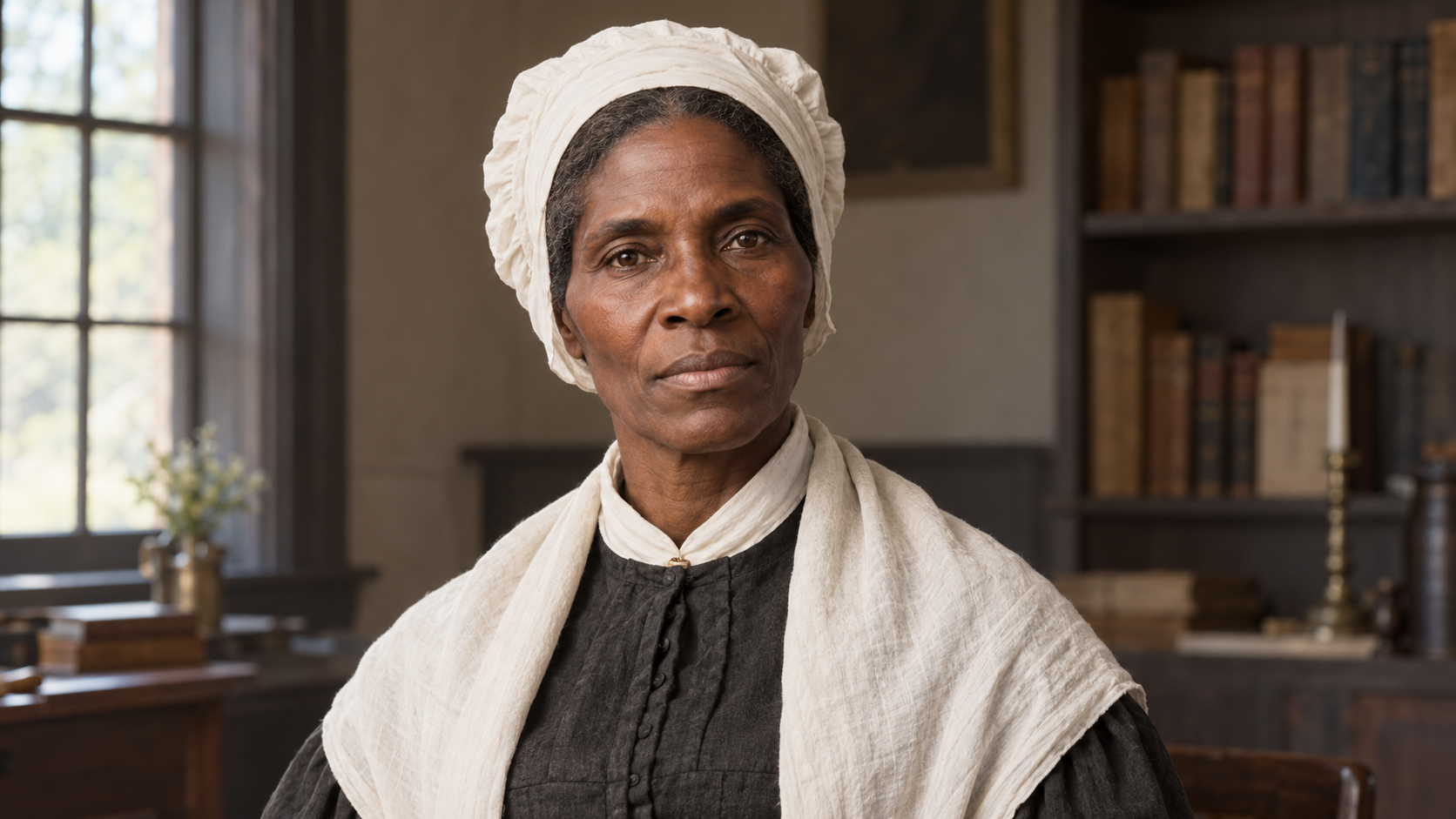
I have as much muscle as any man, and can do as much work as any man.
Sojourner Truth addressed a women’s rights convention in Akron, Ohio, in 1851. This sentence comes from Marius Robinson’s report, published in the Anti-Slavery Bugle on June 21 of that year. That attribution is essential because the speech survives in different versions rather than in a recording or an authorized verbatim transcript. Robinson’s contemporary account presents Truth challenging assumptions about women’s capacity through the work she had performed. She lists demanding forms of labor and asks what those experiences imply about equality. The quotation makes bodily strength and practical ability part of a public argument against a political order that denies women comparable standing.
In the surrounding passage, Truth does not claim that every woman must equal every man in strength before she can deserve rights. Her example exposes the inconsistency of a justification for unequal treatment: the labor demanded from her had already exceeded the narrow role assigned to women in the argument she was confronting. She also discusses intellect, using an analogy about filling differently sized vessels to challenge the refusal to give women their proper share. The logic moves from an objection to its consequences. Even accepting an opponent’s premise for the sake of discussion would not establish that women should be deprived of what they are capable of receiving or exercising.
The history of the text adds another dimension to the quotation. Frances Dana Gage published a substantially different recollection in 1863, twelve years after the convention. That version supplied the repeated question and the dialect now often associated with the speech’s familiar title. The National Park Service presents the accounts together so readers can compare them. This entry uses Robinson’s 1851 wording and does not silently combine it with Gage’s later version. The distinction matters because a powerful historical voice can be transformed when memory, reporting, and later expectations merge. Respecting Truth’s argument includes explaining the evidence through which modern readers encounter her words.
The passage retains force in debates about whose experience counts when a public rule is defended. Work that a society depends on can remain politically invisible when performed by people denied equal recognition. Truth brings that contradiction into the meeting through direct testimony, making a supposedly abstract question answerable to lived conditions. Her example also demonstrates the value of testing a general claim against cases it fails to explain. For readers today, the quotation offers both a substantive challenge to exclusion and a lesson in historical care. Its political argument deserves attention, and the specific report preserving it deserves to be identified rather than replaced by a more familiar but later retelling.
The quotation follows Marius Robinson's contemporary report in the Anti-Slavery Bugle of June 21, 1851.
Truth spoke at the Akron women's rights convention; the surviving text is reported speech, not a modern verbatim recording.
Her description of demanding labor challenges assumptions used to justify women's unequal treatment.
The argument exposes an inconsistency rather than making physical strength a universal qualification for political rights.
Gage's 1863 recollection differs significantly from Robinson's 1851 report. This entry preserves the earlier version's wording.
The passage encourages attention to lived evidence and to the reporting practices through which historical voices are remembered.
Explore more "Quotes of The Day"
Discover more notable quotes from influential voices across politics, science, business, technology, sports, and culture. Each quote offers insight into how ideas, beliefs, and decisions shape the world around us.