

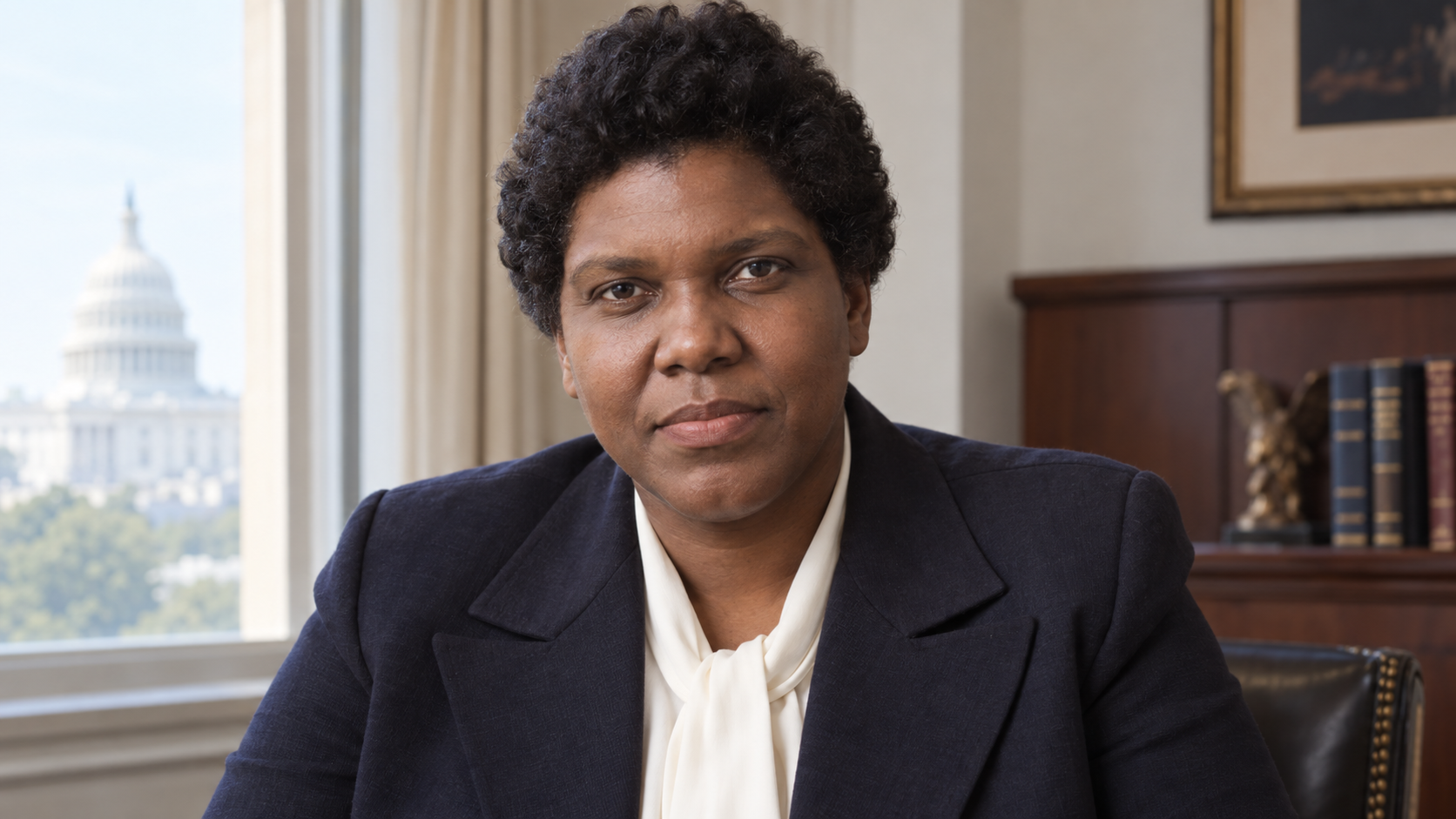
“We are a people in search of a national community.”
Barbara Jordan spoke these words in her keynote address to the Democratic National Convention in New York on July 12, 1976. The Texas congresswoman was addressing a party preparing to nominate a presidential candidate, but her subject extended beyond the immediate contest. She described a public frustrated by government and uncertain about its future. Her diagnosis was that solving particular problems would also require a renewed sense of common membership. The quotation names that search without declaring it complete. Jordan’s position on a national convention stage gave the argument a concrete setting: an institution seeking political power had to explain how it would serve people with different interests and backgrounds.
A national community, in this account, is more demanding than agreement on a slogan. People can share a country while distrusting one another or regarding public decisions only as opportunities for private advantage. Jordan’s phrase asks what connects them when interests collide. One possible answer is equal standing in a public forum, together with willingness to consider how a decision affects others. That does not require everyone to want the same policy. It requires a way to conduct disagreement without treating fellow citizens as disposable obstacles. The search is political because institutions determine who participates, how competing claims receive a hearing, and whose burdens enter the final calculation.
The convention setting should remain visible when interpreting the speech. Jordan was making a case for her party’s governing principles, not delivering a detached account of all American politics. She also acknowledged mistakes and called for public officials to be accountable. Her argument paired government action with individual responsibility: legislation could not simply command people to become a community. Readers should therefore avoid treating the quotation as a promise that unity follows automatically from electing a particular leader. Likewise, appeals to common purpose can become misleading if they ask people experiencing exclusion to overlook it. A community deserves that name when its shared commitments make participation more credible, rather than merely more ceremonial.
Jordan’s language remains useful wherever political argument moves between competing interests and a claim to serve the whole public. Citizens can ask whether a proposal includes a clear account of its costs, whether officials accept scrutiny, and whether different groups have meaningful ways to respond. These questions give substance to community without demanding artificial harmony. They also place obligations on leadership: people asked to sacrifice deserve explanations and evidence, while promises need follow-through that others can assess. The quotation’s strength lies in presenting belonging as unfinished public work. A nation can inherit institutions and symbols, but the habits that make common responsibility believable still depend on what people and officials choose to do.
Jordan delivered the keynote in New York on July 12, 1976. The speech belongs to an election and party-convention setting.
The University of North Texas preserves a contemporary text of the address.
National community involves equal standing and a common endeavor; it does not require identical opinions.
Jordan coupled her party’s argument with an acknowledgment of mistakes and a demand for official accountability.
She said a law or executive order could not simply require citizens to form a community.
Readers can judge appeals to unity by examining participation, explanations, and how burdens are distributed.
Explore more "Quotes of The Day"
Discover more notable quotes from influential voices across politics, science, business, technology, sports, and culture. Each quote offers insight into how ideas, beliefs, and decisions shape the world around us.