

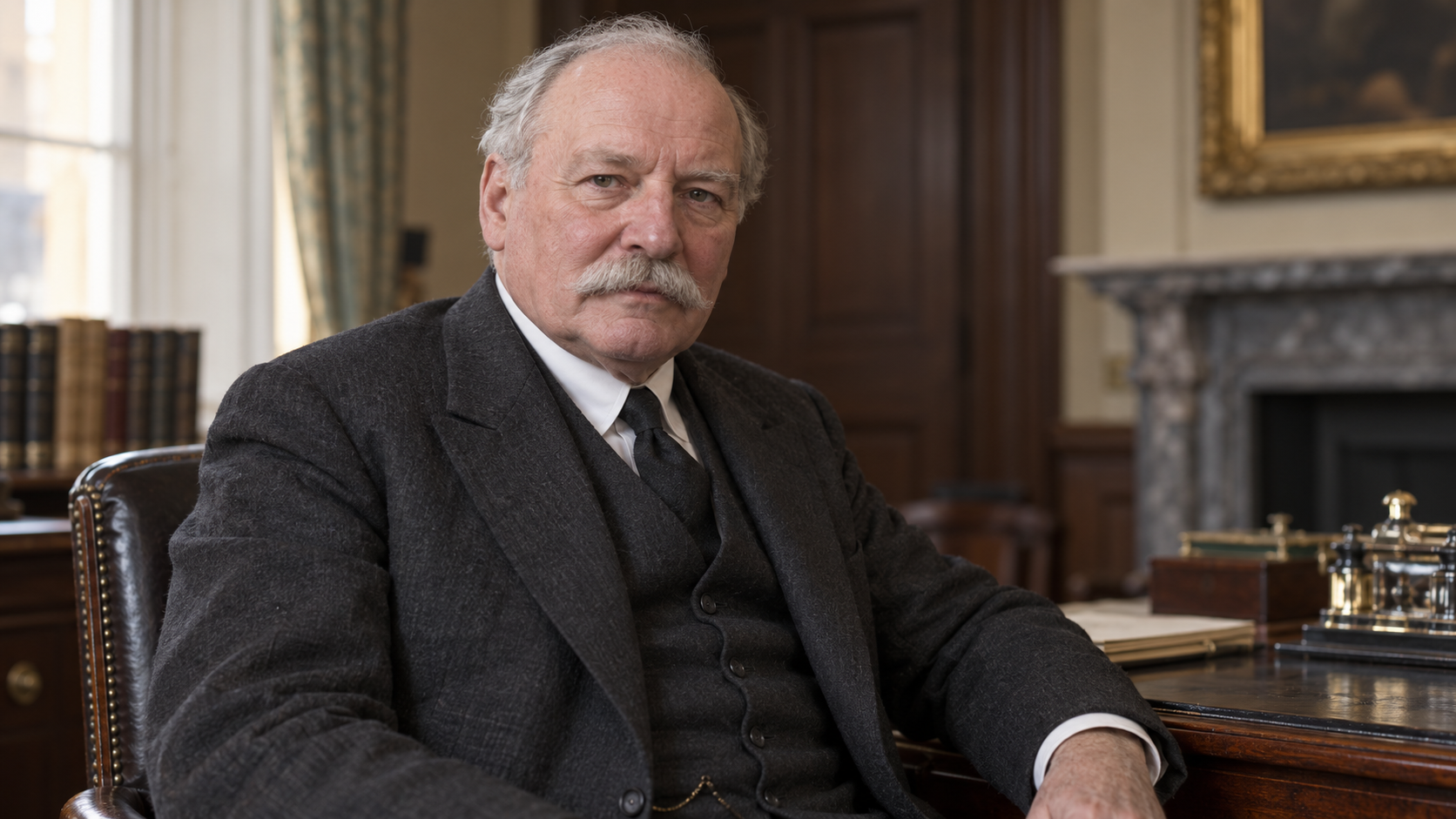
“Another essential to a universal and durable peace is social justice.”
Arthur Henderson made this statement in his Nobel lecture at the University of Oslo on December 11, 1934. The British politician and peace laureate was discussing the institutions and commitments needed to prevent another major war. Near this sentence, he referred to the International Labour Organization and to the hardship produced by unjust working conditions. Social justice appeared as a necessary part of a wider peace effort, alongside cooperation and arrangements for settling international disputes. The sentence brought people’s working lives into an argument often associated mainly with treaties, diplomacy, and relations between governments.
The connection asks readers to look beneath the surface of stability. A community may appear orderly while many people experience insecurity, unequal treatment, or the inability to make themselves heard. Those conditions do not explain every conflict, and an improvement in welfare cannot guarantee peace. They nevertheless affect whether people regard public arrangements as legitimate. The quotation makes that legitimacy a subject for examination. When a political system asks citizens to accept its decisions, it also invites questions about the fairness of the conditions it maintains and about the opportunities available to challenge a harmful decision.
Working life is a useful place to make that examination concrete. People can assess whether rules are understandable, whether their health and dignity receive protection, and whether a complaint can be raised without fear of retaliation. An institution may announce fair standards while lacking the means to enforce them. Inspection, reliable information, and accessible procedures then matter as much as the wording of the commitment. These are practical questions of administration, but they also shape the relationship between people and public authority. People gain grounds for confidence when they can observe how a commitment operates and identify a route for correcting failures. Listening to workers’ experience can reveal gaps that an official report or a favorable average would otherwise leave unseen.
For readers considering politics today, Henderson’s sentence offers a test for claims about lasting stability. What does a proposed arrangement do for the people whose daily cooperation sustains it? Does it provide protection only in principle, or does it enable fair treatment in practice? Answers will differ across societies, and competing ideas of justice require open debate. The sentence leaves the choice of particular policies open to examination. It insists that the social foundations of peaceful life deserve a place in the discussion, encouraging citizens to evaluate public commitments through the conditions they create for ordinary people over time.
Henderson delivered his Nobel lecture on December 11, 1934, at the University of Oslo. The quoted sentence appears in his discussion of social justice as a condition of enduring peace.
Its surrounding paragraph refers to the International Labour Organization and to unjust working conditions. An official ILO publication also reproduces the same wording.
The argument broadens the discussion of peace to include the fairness of everyday institutions. People experience political arrangements through work, protection, and opportunities to be heard.
Social justice is presented as necessary rather than sufficient. The quotation does not claim that better working conditions alone resolve every international conflict.
Readers can examine whether announced standards are supported by enforcement and accessible complaints procedures. Such details help distinguish a public commitment from its practical delivery.
Debate over particular policies remains necessary. The sentence provides a reason to include social conditions when assessing the credibility of promises about durable stability.
Explore more "Quotes of The Day"
Discover more notable quotes from influential voices across politics, science, business, technology, sports, and culture. Each quote offers insight into how ideas, beliefs, and decisions shape the world around us.