

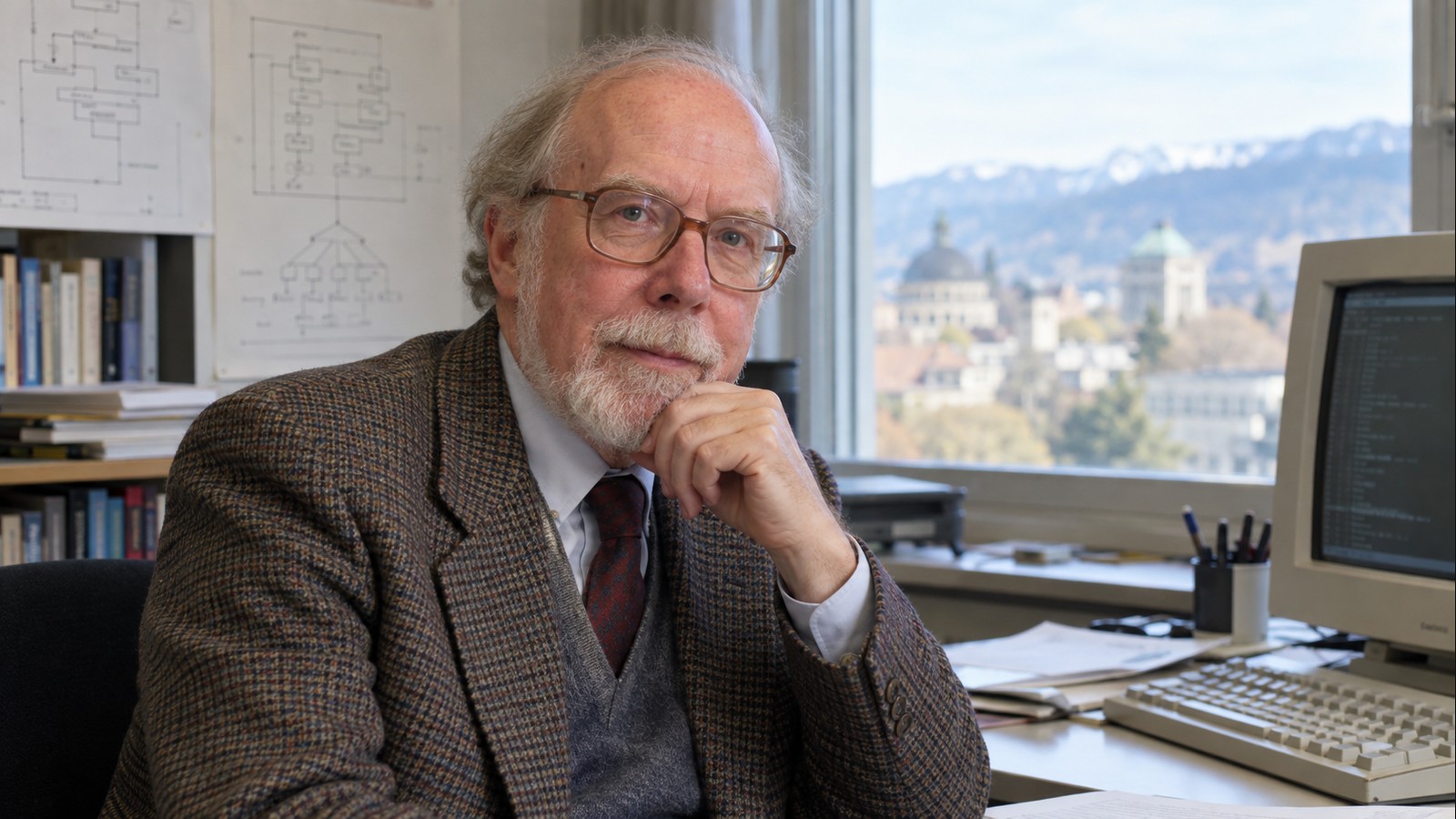
“Software is getting slower more rapidly than hardware becomes faster.”
Niklaus Wirth wrote or delivered these words in 1995 in “A Plea for Lean Software.” Wirth criticized software growth that consumed hardware gains through unnecessary layers and features. The observation became known as Wirth's law. Its brevity can hide the technical and institutional problem the speaker was addressing. The date assigned to this NewsStreets series is a calendar placement, not a claim that the quotation originated on March 19. Restoring the source keeps the words connected to the problem, audience, and technical conditions that made them meaningful. It also shows which part of the argument belongs to Niklaus Wirth and which interpretations were added later as the technology spread into new settings.
The statement links technical choices to the people who must live with them. Performance improvements can disappear when complexity and resource demand grow faster than computing capacity. Teams can apply that insight by naming the outcome they want, identifying the people affected, and choosing evidence that would reveal whether the design actually helps. A memorable quotation is useful when it sharpens a decision: architecture, interface, governance, maintenance, or the allocation of power. It is less useful when it is used to borrow authority without examining the speaker's reasoning. In practice, the principle should change a review question, a test plan, or an ownership decision rather than merely decorate a presentation.
The quotation is strongest when its boundary conditions remain visible. Some growth reflects valuable accessibility, security, portability, and richer capability. Lean design should target waste without dismissing legitimate requirements. Technology operates inside organizations and communities, so performance on a narrow benchmark cannot settle every question. Responsible practice makes assumptions explicit, documents tradeoffs, invites criticism, and provides a way to correct harm. That discipline does not weaken innovation; it gives ambitious work a clearer relationship to evidence and a more honest account of who carries the risk. A careful reader should therefore ask what the quotation leaves outside its frame, which stakeholders are absent, and what contrary evidence would require a different conclusion.
The issue now reaches far beyond the original hardware and software environment. Battery life, cloud cost, mobile performance, and environmental impact make software efficiency a product and infrastructure concern. For individuals, the quote can guide the next choice without pretending to supply a complete formula. For organizations, it can prompt clearer goals, better measurements, and more accountable ownership. Its lasting value lies in translating an influential idea into careful practice: understand the source, test the claim, keep the limitations visible, and revise the system when real users or real conditions contradict the preferred story. The standard is not admiration for a famous technologist; it is whether the idea helps people build systems that are more understandable, dependable, useful, and worthy of trust.
Niklaus Wirth used the line in “A Plea for Lean Software” in 1995. Wirth criticized software growth that consumed hardware gains through unnecessary layers and features. The observation became known as Wirth's law.
The setting separates the documented argument from later retellings and prevents the calendar date in this series from being mistaken for the date of origin.
Performance improvements can disappear when complexity and resource demand grow faster than computing capacity.
Some growth reflects valuable accessibility, security, portability, and richer capability. Lean design should target waste without dismissing legitimate requirements.
Battery life, cloud cost, mobile performance, and environmental impact make software efficiency a product and infrastructure concern.
The strongest present-day use is practical: connect the principle to evidence, state the tradeoffs, and keep responsibility visible when technology changes people's choices or opportunities.
Explore more "Quotes of The Day"
Discover more notable quotes from influential voices across politics, science, business, technology, sports, and culture. Each quote offers insight into how ideas, beliefs, and decisions shape the world around us.