

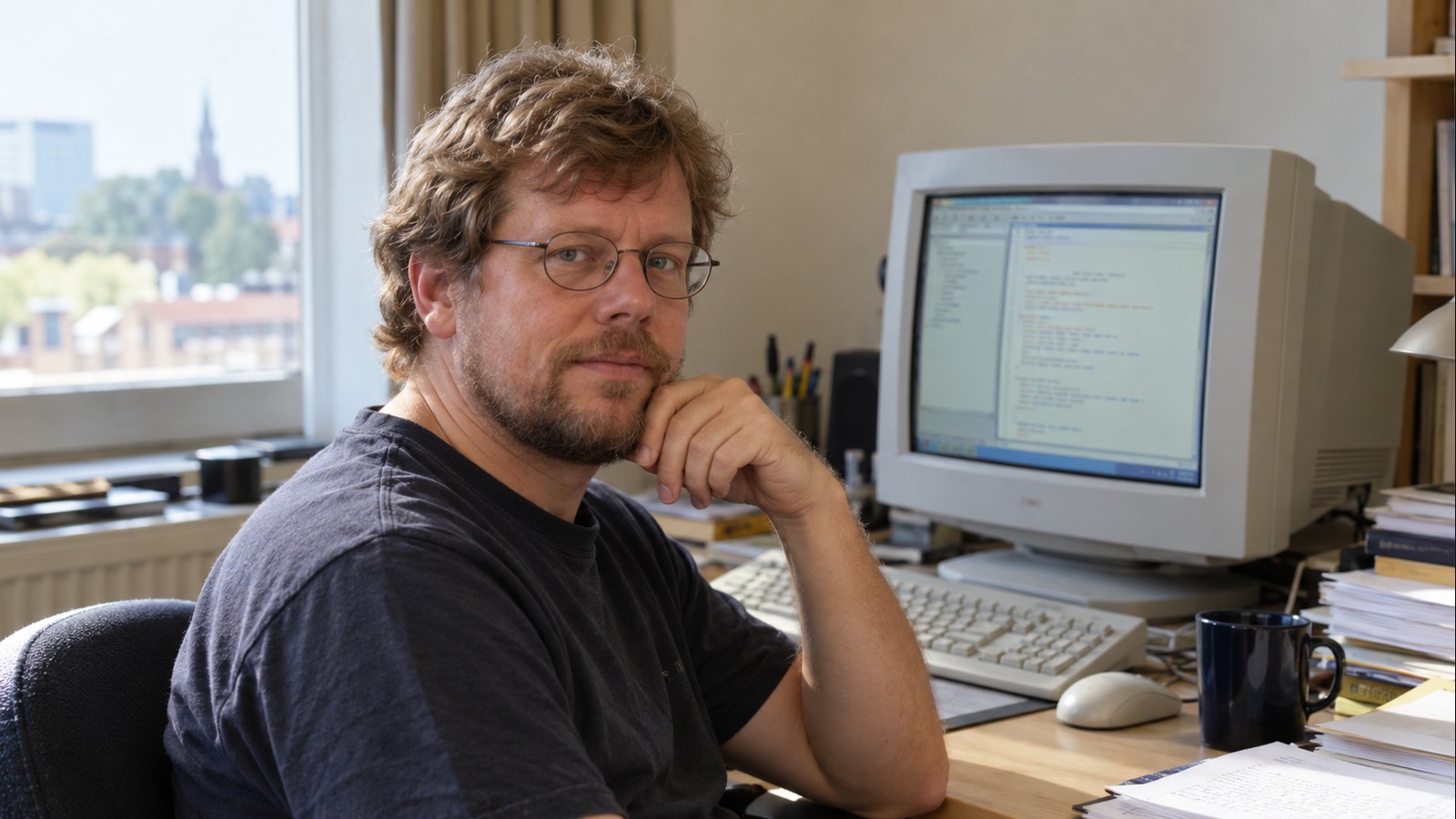
“Code is read much more often than it is written.”
Guido van Rossum wrote or delivered these words in 2001 in “PEP 8 — Style Guide for Python Code.” The Python style guide justifies consistency by emphasizing the lifetime of code after its first author finishes typing. Van Rossum, Barry Warsaw, and Alyssa Coghlan are listed as authors. The original setting is essential to the line. The date assigned to this NewsStreets series is a calendar placement, not a claim that the quotation originated on March 26. Restoring the source keeps the words connected to the problem, audience, and technical conditions that made them meaningful. It also shows which part of the argument belongs to Guido van Rossum and which interpretations were added later as the technology spread into new settings.
For builders, the idea becomes a practical design test. Names, layout, structure, and conventions reduce the cognitive cost of review and maintenance across a community. Teams can apply that insight by naming the outcome they want, identifying the people affected, and choosing evidence that would reveal whether the design actually helps. A memorable quotation is useful when it sharpens a decision: architecture, interface, governance, maintenance, or the allocation of power. It is less useful when it is used to borrow authority without examining the speaker's reasoning. In practice, the principle should change a review question, a test plan, or an ownership decision rather than merely decorate a presentation.
A responsible reading also preserves the limit built into the argument. Style rules serve comprehension and should not displace correctness, accessibility, domain clarity, or measured performance. Mechanical consistency is a means, not the goal. Technology operates inside organizations and communities, so performance on a narrow benchmark cannot settle every question. Responsible practice makes assumptions explicit, documents tradeoffs, invites criticism, and provides a way to correct harm. That discipline does not weaken innovation; it gives ambitious work a clearer relationship to evidence and a more honest account of who carries the risk. A careful reader should therefore ask what the quotation leaves outside its frame, which stakeholders are absent, and what contrary evidence would require a different conclusion.
That tension is visible across contemporary technology. Shared repositories, code review, open-source work, and generated code all increase the number of readers each change must serve. For individuals, the quote can guide the next choice without pretending to supply a complete formula. For organizations, it can prompt clearer goals, better measurements, and more accountable ownership. Its lasting value lies in translating an influential idea into careful practice: understand the source, test the claim, keep the limitations visible, and revise the system when real users or real conditions contradict the preferred story. The standard is not admiration for a famous technologist; it is whether the idea helps people build systems that are more understandable, dependable, useful, and worthy of trust.
Guido van Rossum used the line in “PEP 8 — Style Guide for Python Code” in 2001. The Python style guide justifies consistency by emphasizing the lifetime of code after its first author finishes typing. Van Rossum, Barry Warsaw, and Alyssa Coghlan are listed as authors.
The setting separates the documented argument from later retellings and prevents the calendar date in this series from being mistaken for the date of origin.
Names, layout, structure, and conventions reduce the cognitive cost of review and maintenance across a community.
Style rules serve comprehension and should not displace correctness, accessibility, domain clarity, or measured performance. Mechanical consistency is a means, not the goal.
Shared repositories, code review, open-source work, and generated code all increase the number of readers each change must serve.
The strongest present-day use is practical: connect the principle to evidence, state the tradeoffs, and keep responsibility visible when technology changes people's choices or opportunities.
Explore more "Quotes of The Day"
Discover more notable quotes from influential voices across politics, science, business, technology, sports, and culture. Each quote offers insight into how ideas, beliefs, and decisions shape the world around us.