

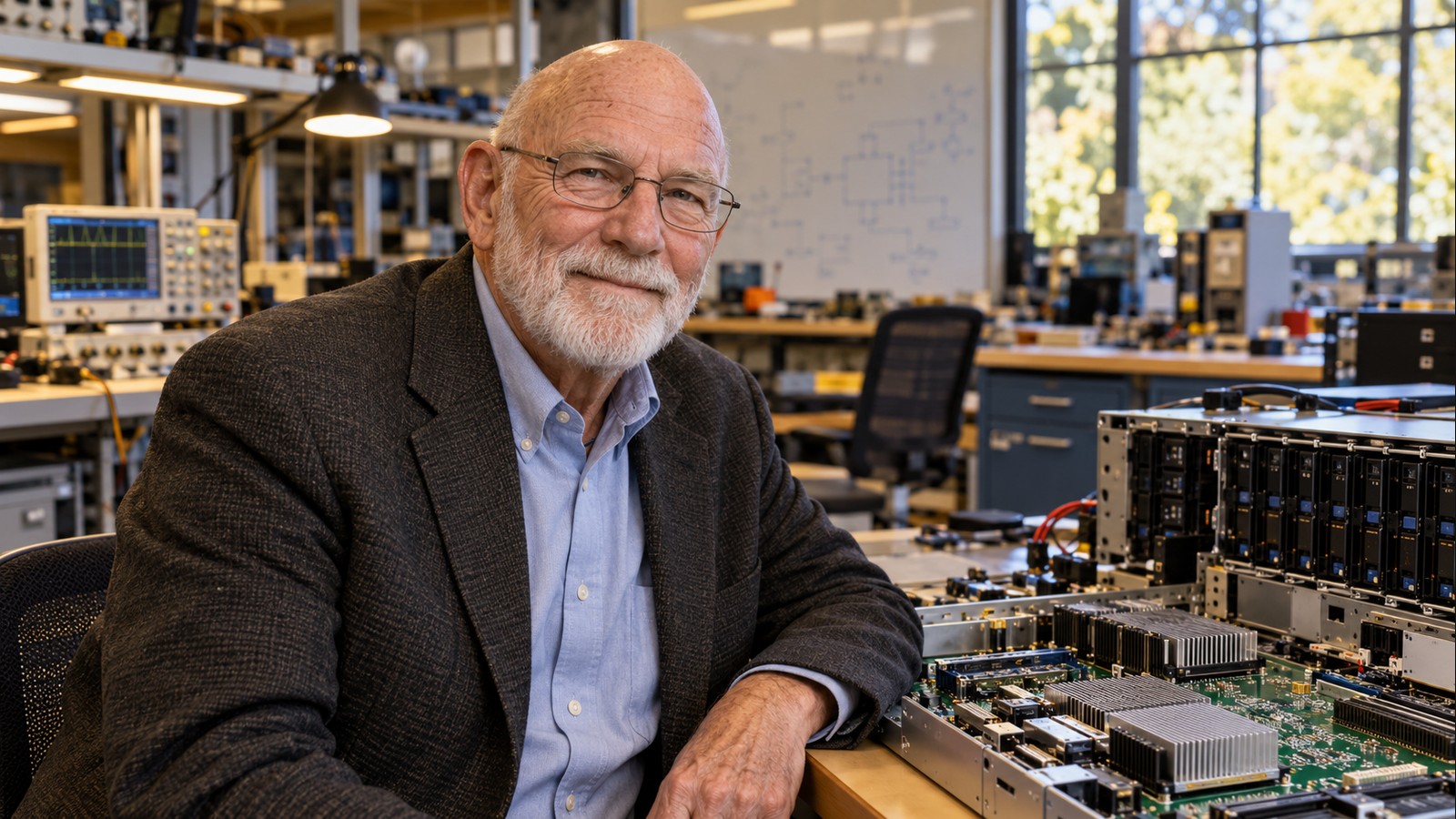
“Students are the coin of the academic realm.”
Patterson emphasized that the most durable product of academic research is often the people trained to extend and challenge it. Reading David Patterson in the setting of “Computer History Museum Fellow Profile” changes how the quotation lands. The year 2007 identifies the documented source, while July 7 is only this series calendar position. Returning to the original work verifies authorship, clarifies the problem under discussion, and marks where modern interpretation begins.
Education multiplies technical progress by giving learners both knowledge and responsibility for what comes next. For a present-day team, the idea becomes useful when it changes a decision instead of decorating a slide. A reviewer can apply it to an interface, architecture, dataset, workflow, classroom, or governance rule, naming the desired outcome and the evidence that could challenge a preferred story.
Students should not be treated as output metrics; mentorship requires credit, support, autonomy, and healthy working conditions. This qualification keeps the sentence from becoming a universal slogan. Technical results live inside organizations, markets, laws, and communities, where a narrow benchmark rarely settles the whole question. Responsible use makes assumptions visible, records tradeoffs, and asks who gains convenience and who inherits risk.
Open hardware and collaborative research let students participate directly in architecture innovation at global scale. The quotation endures as a method rather than a formula: understand the source, test the claim in its new environment, disclose important limits, and revise the implementation when real conditions disagree. What matters is whether the idea helps make technology more understandable, dependable, useful, and answerable to the people it affects.
Patterson emphasized that the most durable product of academic research is often the people trained to extend and challenge it.
The source setting separates the documented argument from this series calendar date.
Education multiplies technical progress by giving learners both knowledge and responsibility for what comes next.
Students should not be treated as output metrics; mentorship requires credit, support, autonomy, and healthy working conditions.
Open hardware and collaborative research let students participate directly in architecture innovation at global scale.
The strongest modern use connects the principle to evidence, states tradeoffs, and keeps responsibility visible.
Explore more "Quotes of The Day"
Discover more notable quotes from influential voices across politics, science, business, technology, sports, and culture. Each quote offers insight into how ideas, beliefs, and decisions shape the world around us.