

On This Day in Sports: August 2, 2012
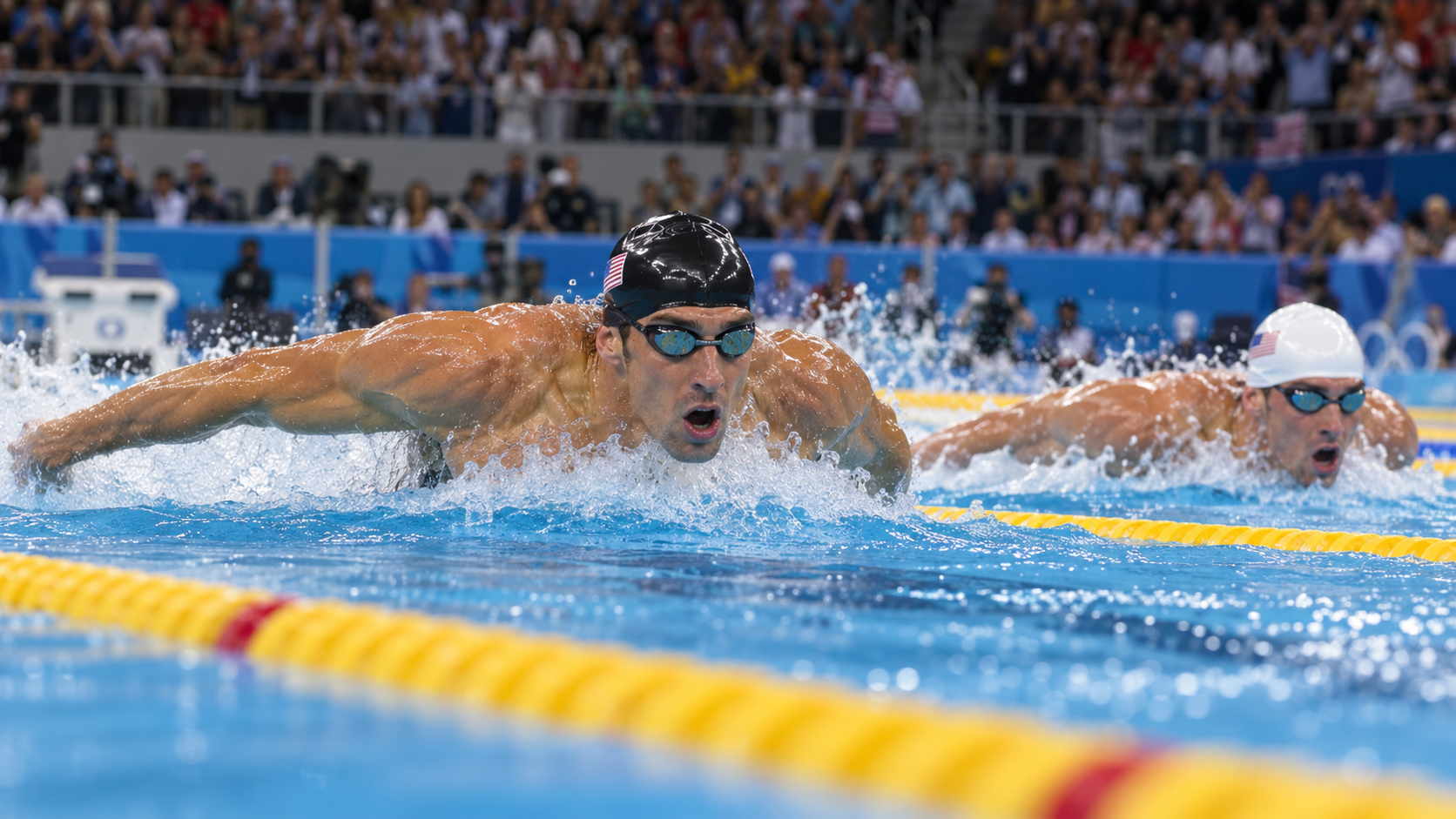
On August 2, 2012, Michael Phelps won the men’s 200-meter individual medley at the London Olympics for the third consecutive Games. He led from the butterfly leg and finished in 1 minute, 54.27 seconds, ahead of Ryan Lochte and Laszlo Cseh. The victory made Phelps the first male swimmer to win the same individual event at three Olympics. The public record fixes the central details with unusual clarity: Phelps won in 1:54.27. Ryan Lochte earned the silver medal. Together, those facts explain why August 2, 2012 stands apart from the ordinary flow of a season and deserves to be remembered as a distinct historical moment.
Phelps had claimed the event in Athens and Beijing, but London began unevenly and Lochte had beaten him in the 400-meter medley. Their rematch in the shorter event became a test of whether Phelps could recover his familiar closing speed and preserve a rare championship streak. Two further details help reconstruct how the achievement unfolded: Laszlo Cseh took bronze. Phelps had won the event in 2004 and 2008. They move the story beyond a headline by showing the pressure, setting and competitive choices that shaped the decisive action in real time.
Phelps established a narrow advantage in butterfly, protected it through backstroke and breaststroke, then pulled away in freestyle. Lochte, racing soon after another final, could not close the gap. Phelps touched more than half a second ahead and immediately recognized the historical weight of the result. The wider context is equally important. It was his twentieth Olympic medal. He later finished his career with 28 Olympic medals. Those points connect one day’s performance to a longer career, institution or rivalry and clarify why the event continued to matter after the immediate celebration had ended.
The title was one of four events Phelps won at three consecutive Olympics in London. He later returned for Rio, extending his career medal records. The 200-meter medley victory captured both his range across all four strokes and his ability to answer a direct challenge late in a long career. Seen from today, the milestone remains compelling because it joins a measurable result with the uncertainty of live competition. Nothing about the outcome was guaranteed beforehand. That combination of preparation, opportunity and execution transformed the date from another entry on the schedule into lasting sports history. It also reveals how records and championships depend on teammates, opponents, officials, venues and rules that shape the opportunity. Preserving those surrounding details helps explain both the achievement itself and the reason later generations still discuss it. The date therefore offers a useful window into how sporting excellence is created, witnessed and remembered. Its clearest lessons still reach beyond the final score, connecting preparation and opportunity with the people who preserved the event’s meaning for future audiences.
Phelps won in 1:54.27.
Ryan Lochte earned the silver medal.
Laszlo Cseh took bronze.
Phelps had won the event in 2004 and 2008.
It was his twentieth Olympic medal.
He later finished his career with 28 Olympic medals.
Explore more "On This Day in Sports"
Discover more landmark games, records, championships, and turning points from sports history. Each day revisits the athletes, teams, and moments that shaped competition and culture.