

On This Day in Sports: August 6, 1926
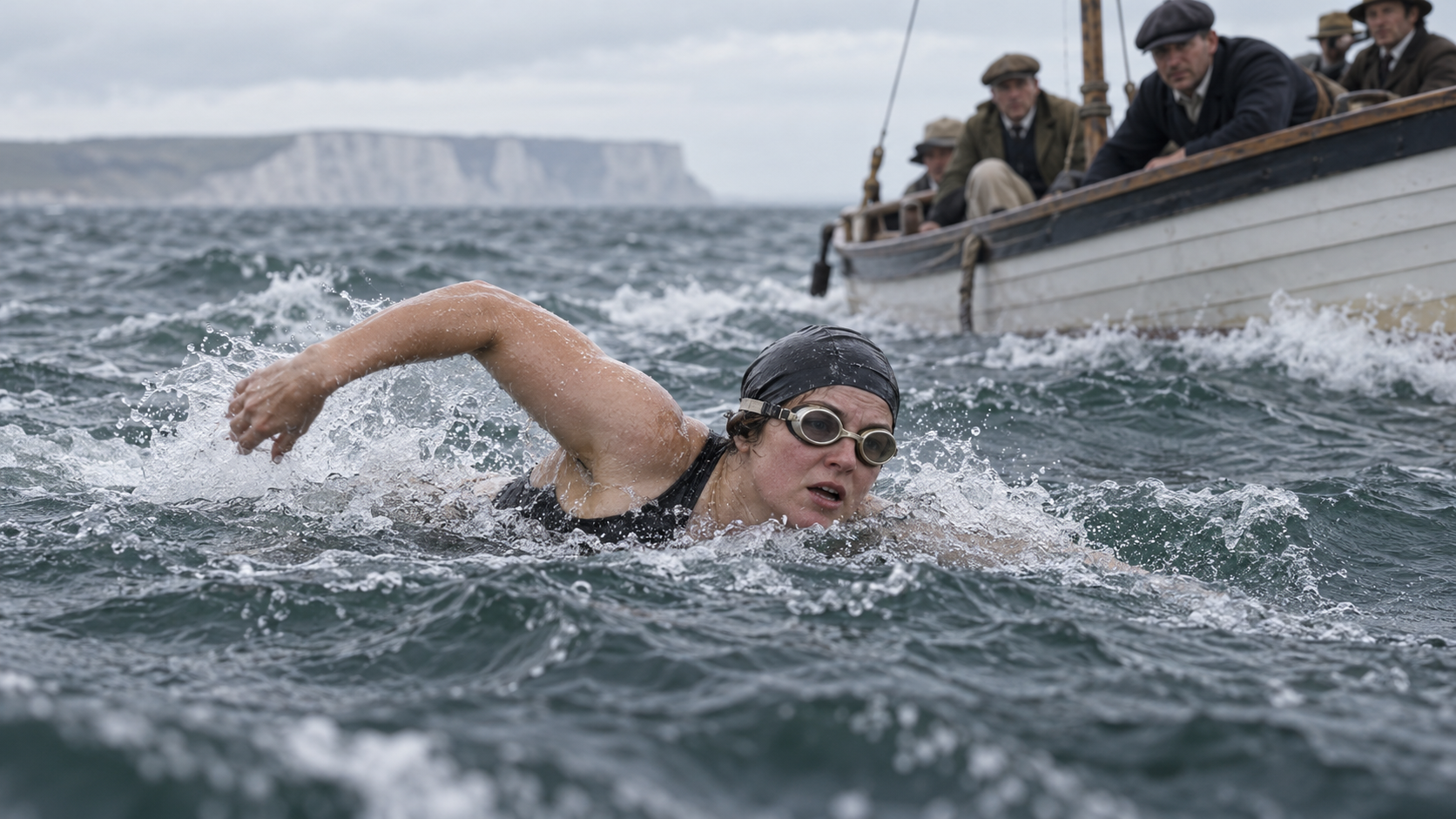
On August 6, 1926, Gertrude Ederle became the first woman to swim the English Channel, reaching Kingsdown on the English coast after starting at Cap Gris-Nez in France. The 20-year-old American completed the crossing in about 14 hours and 31 minutes. Her time was nearly two hours faster than the existing men’s record. The public record fixes the central details with unusual clarity: Ederle started from Cap Gris-Nez. She landed near Kingsdown, England. Together, those facts explain why August 6, 1926 stands apart from the ordinary flow of a season and deserves to be remembered as a distinct historical moment.
Ederle had won Olympic gold and two bronze medals in swimming at Paris in 1924. She failed in a first Channel attempt the following year, then trained with veteran swimmer Bill Burgess and developed protective goggles and a more suitable two-piece suit. Two further details help reconstruct how the achievement unfolded: Her time was about 14 hours, 31 minutes. She was 20 years old. They move the story beyond a headline by showing the pressure, setting and competitive choices that shaped the decisive action in real time.
She entered rough, cold water in the morning and battled shifting tides that lengthened the route far beyond the straight-line distance. Supporters followed by boat, feeding her and playing music. Ederle refused suggestions to quit and reached the English shore after dark. The wider context is equally important. She had won Olympic gold in 1924. New York honored her with a ticker-tape parade. Those points connect one day’s performance to a longer career, institution or rivalry and clarify why the event continued to matter after the immediate celebration had ended.
New York welcomed her with a ticker-tape parade attended by an enormous crowd. Her crossing expanded public ideas about women’s endurance and athletic opportunity, while the practical equipment and training behind it influenced open-water swimming for generations. Seen from today, the milestone remains compelling because it joins a measurable result with the uncertainty of live competition. Nothing about the outcome was guaranteed beforehand. That combination of preparation, opportunity and execution transformed the date from another entry on the schedule into lasting sports history. It also reveals how records and championships depend on teammates, opponents, officials, venues and rules that shape the opportunity. Preserving those surrounding details helps explain both the achievement itself and the reason later generations still discuss it. The date therefore offers a useful window into how sporting excellence is created, witnessed and remembered. Its clearest lessons still reach beyond the final score, connecting preparation and opportunity with the people who preserved the event’s meaning for future audiences.
Ederle started from Cap Gris-Nez.
She landed near Kingsdown, England.
Her time was about 14 hours, 31 minutes.
She was 20 years old.
She had won Olympic gold in 1924.
New York honored her with a ticker-tape parade.
Explore more "On This Day in Sports"
Discover more landmark games, records, championships, and turning points from sports history. Each day revisits the athletes, teams, and moments that shaped competition and culture.