

On This Day in Sports: September 14, 1994
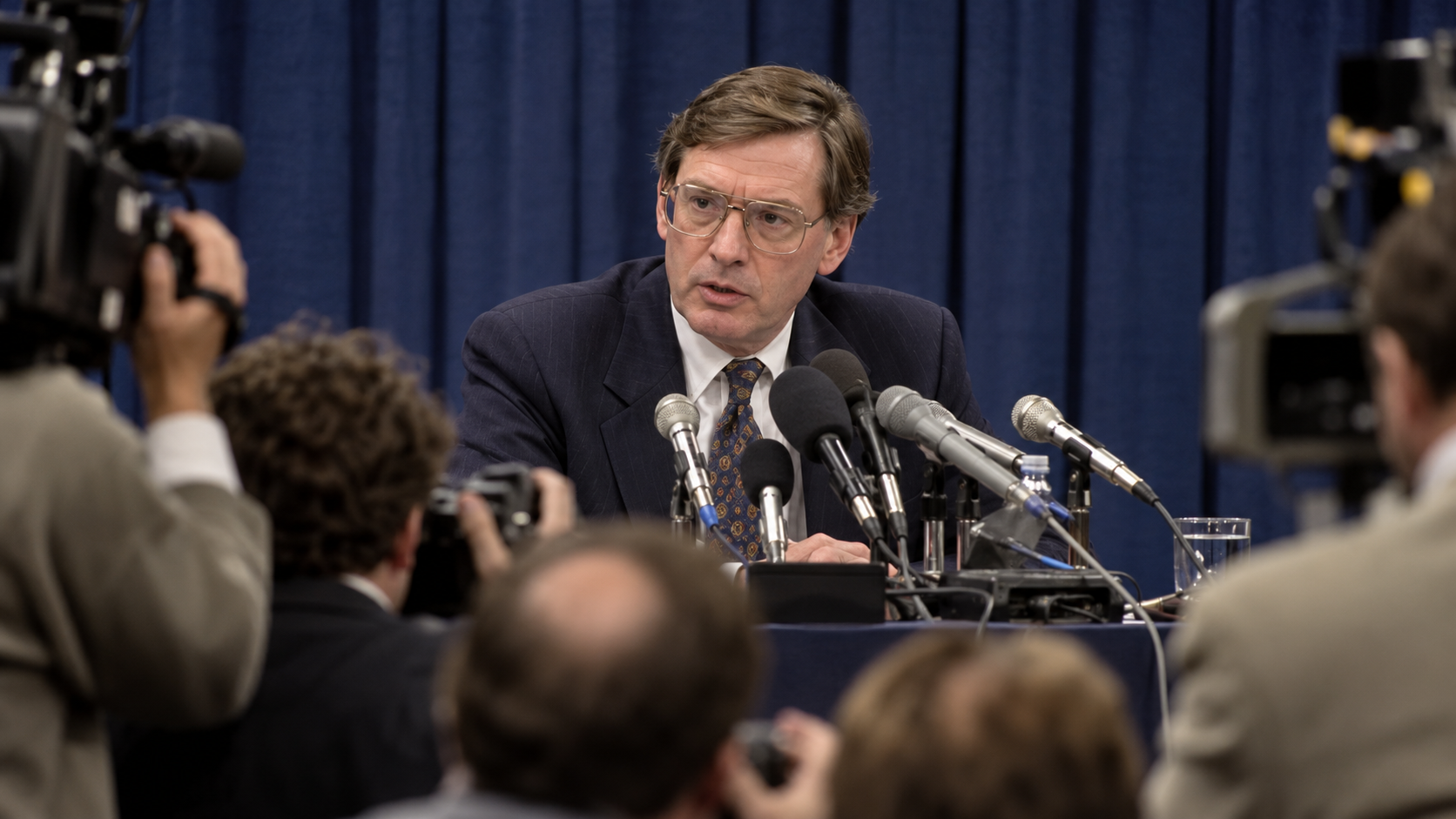
On September 14, 1994, acting commissioner Bud Selig announced that Major League Baseball was canceling the rest of the season, the playoffs and the World Series. The decision came after 34 days of a players’ strike and ensured that no champion would be crowned for the first time since 1904. The strike began after play on August 11. The stoppage had lasted 34 days. Those details establish the result and its setting, but the day’s importance came from the larger historical pressure surrounding the competition and the people who carried it through.
Owners sought a salary cap and changes to revenue sharing, while the players’ union resisted measures it believed would weaken free agency and wage growth. The strike had stopped play after August 11 with several compelling pennant races unresolved. The World Series had not been omitted since 1904. Montreal led MLB at 74-40. Together, those points show how preparation, rules, institutions and public expectations shaped the circumstances before the decisive action began. They also separate the documented background from later legend and retrospective interpretation.
With negotiations stalled and too little time remaining to resume safely, owners voted overwhelmingly to end the season. Montreal held baseball’s best record at 74-40, while Tony Gwynn was batting .394 and several sluggers were chasing major records. Tony Gwynn was batting .394. Play resumed with a shortened 1995 season. The immediate result therefore involved more than a single score or statistic: it changed a record, championship, career or institution and gave contemporary audiences a clear reason to understand that the moment was unusual.
A federal injunction helped restore the previous labor rules in spring 1995, and the shortened season resumed. The canceled World Series damaged trust for years and remains the starkest example of a labor dispute erasing baseball’s championship. Seen from today, the event remains useful because it connects a measurable sports outcome with the systems around it—teammates, opponents, officials, venues, media and rules. The outcome was not inevitable, and its meaning did not end when play stopped. Preserving the exact date and qualifications helps explain why later generations still return to it. It also prevents a famous image or headline from replacing the fuller story of what actually happened. The best sports history holds achievement and limitation together, showing both the performance itself and the conditions that made it possible. That broader view preserves context without taking attention away from the people who performed under pressure. In that sense, September 14, 1994 still offers a focused view of how athletic excellence, public memory and institutional change can meet in a single day.
The strike began after play on August 11.
The stoppage had lasted 34 days.
The World Series had not been omitted since 1904.
Montreal led MLB at 74-40.
Tony Gwynn was batting .394.
Play resumed with a shortened 1995 season.
Explore more "On This Day in Sports"
Discover more landmark games, records, championships, and turning points from sports history. Each day revisits the athletes, teams, and moments that shaped competition and culture.