

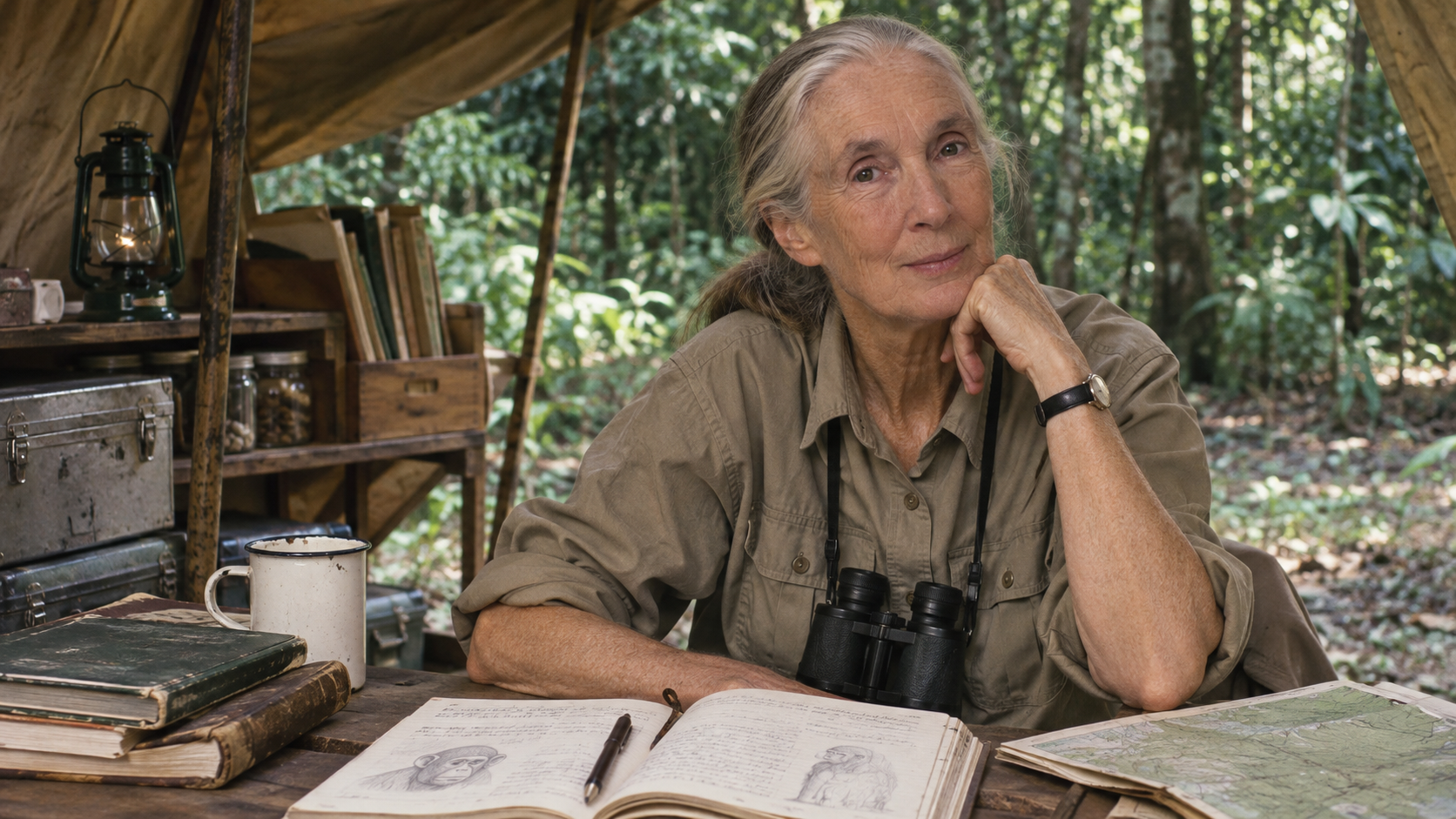
“What you do makes a difference, and you have to decide what kind of difference you want to make.”
Jane Goodall’s decades of research and conservation work turned close observation into a broader ethic of responsibility. This widely cited statement reflects the practical message she carried from field science into public advocacy: individual choices matter, but people must examine the direction and consequences of those choices rather than assuming good intentions are enough.
The quote balances agency with judgment. Every action has effects, including inaction, but impact is not measured by visibility or self-image. Deciding what kind of difference to make requires evidence, listening, and willingness to reconsider methods when they harm the communities or ecosystems they were meant to help.
For journalism, the principle applies to story selection, sourcing, headlines, and follow-up. Coverage can expose a problem, amplify expertise, or mobilize attention, yet it can also distort priorities through sensationalism. Reporters and editors should ask whose understanding improves, whose voice is missing, and what evidence supports the implied path forward.
Climate change, biodiversity loss, and online misinformation can feel too large for individual influence. Goodall’s formulation avoids both despair and empty optimism. It invites purposeful participation while keeping outcomes accountable: choose a contribution, learn from reliable information, cooperate with others, and measure whether the promised difference is actually being made.
Jane Goodall’s decades of research and conservation work turned close observation into a broader ethic of responsibility. This widely cited statement reflects the practical message she carried from field science into public advocacy: individual choices matter, but people must examine the direction and consequences of those choices rather than assuming good intentions are enough.
The quote balances agency with judgment. Every action has effects, including inaction, but impact is not measured by visibility or self-image. Deciding what kind of difference to make requires evidence, listening, and willingness to reconsider methods when they harm the communities or ecosystems they were meant to help.
Climate change, biodiversity loss, and online misinformation can feel too large for individual influence. Goodall’s formulation avoids both despair and empty optimism. It invites purposeful participation while keeping outcomes accountable: choose a contribution, learn from reliable information, cooperate with others, and measure whether the promised difference is actually being made.
Explore more "Quotes of The Day"
Discover more notable quotes from influential voices across politics, science, business, technology, sports, and culture. Each quote offers insight into how ideas, beliefs, and decisions shape the world around us.