

On This Day in Politics: July 24, 1974
On July 24, 1974, the United States Supreme Court decided United States v. Nixon, requiring President Richard Nixon to produce subpoenaed recordings and documents for a pending criminal case. Chief Justice Warren Burger wrote the opinion, and all eight participating justices agreed; William Rehnquist took no part. The ruling rejected an absolute claim of presidential privilege based on a general interest in confidentiality. It became a decisive moment in the Watergate crisis because it opened access to evidence sought by the special prosecutor. The case concerned the production of materials, rather than a criminal conviction of Nixon or an order removing him from office.
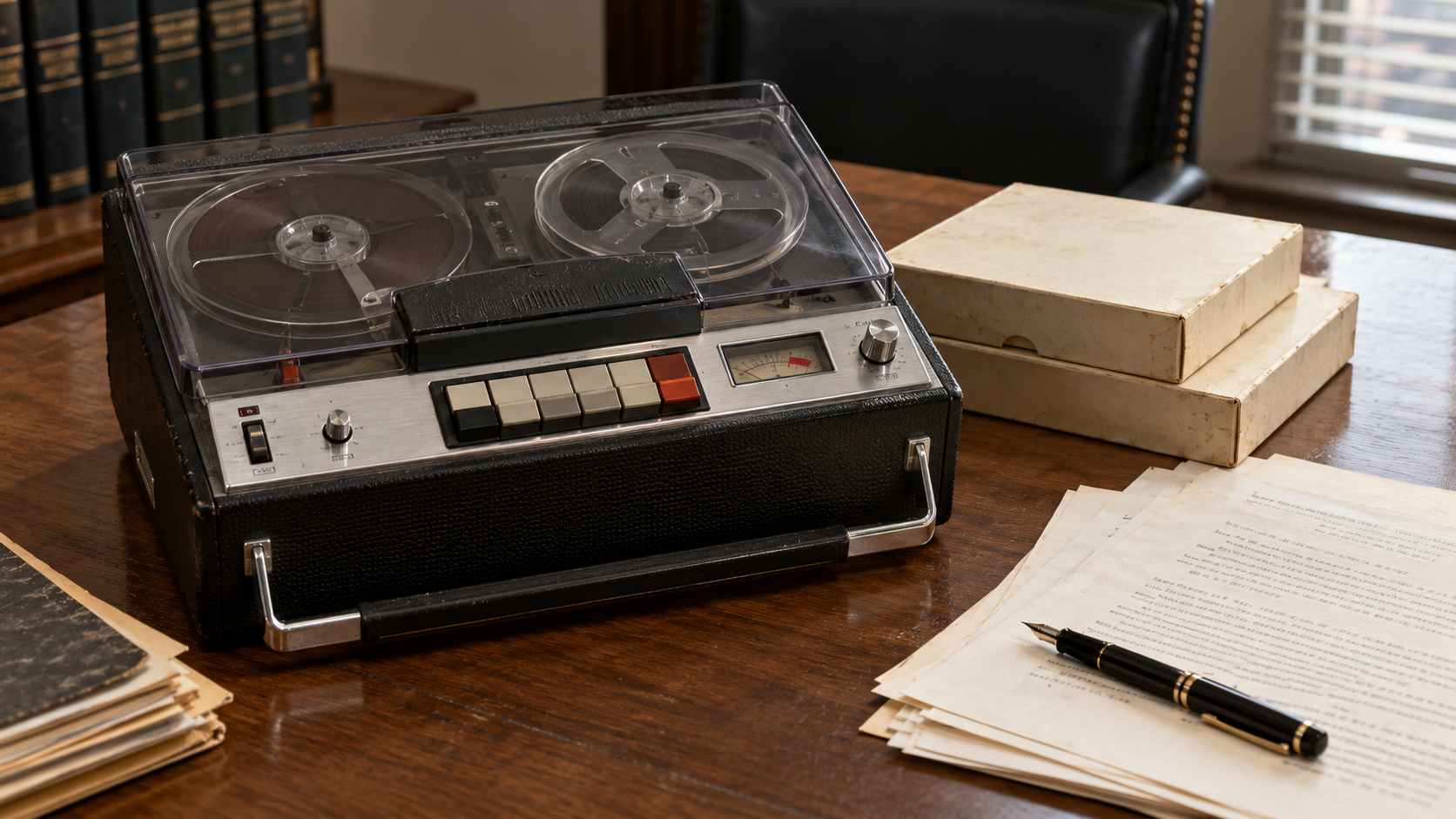
The recordings originated in the White House’s secret taping system, installed during Nixon’s presidency. Its existence became public in 1973 when Alexander Butterfield disclosed it during the Watergate investigation. Recorded conversations could establish what officials had said and when they had said it, making the tapes especially important to investigators. The ensuing battle over access lasted into the following year. Special Prosecutor Leon Jaworski sought particular conversations connected to the criminal proceedings. By July 1974, the dispute had brought presidential confidentiality into direct conflict with the demand for reliable evidence. The recordings were no longer merely an internal record of the administration’s work.
The Court recognized an interest in confidential presidential communication but held that a generalized claim could not defeat a demonstrated need for evidence in the criminal trial. It required delivery to the district court for private review, with protection for irrelevant material. The decision did not abolish executive privilege or demand indiscriminate public release of every presidential conversation. Nixon responded that he would comply with the ruling, while noting that it had also recognized the principle of privilege. That response illustrates the difference between accepting a particular judicial order and abandoning every argument about confidentiality. Compliance would move the dispute from resistance to the handling of specific records.
Among the material subsequently disclosed was the June 23, 1972 conversation that became known as the smoking-gun tape. It showed Nixon participating in an effort to obstruct the Watergate investigation shortly after the burglary. The evidence further weakened his political position, and he resigned in August 1974. The resignation and the Court’s July ruling were separate steps in the crisis. Looking back at July 24 shows how a demand for evidence could have consequences reaching beyond the courtroom. The day linked the authority of judicial process, the value of recorded information and the political accountability of a presidency under mounting scrutiny.
Eight justices participated and agreed in the result. Justice William Rehnquist did not take part in the case.
The lawsuit sought particular recordings for a criminal proceeding. It did not itself convict Nixon or remove him from office.
The Court required district-court review of the subpoenaed materials. It preserved protection for irrelevant presidential conversations.
The ruling limited a generalized confidentiality claim. It did not abolish executive privilege in every circumstance.
Nixon announced that he would comply on July 24. Production and review of the records followed the legal decision.
The later release of the June 23, 1972 smoking-gun conversation deepened the crisis. Nixon’s resignation came in August, after the ruling.
Explore more of "On This Day ..."
Discover more events from the same date across news, politics, technology, sports, and other fields. Each link highlights significant moments that shaped history on different fronts.