

Unanimous Consent Explainer
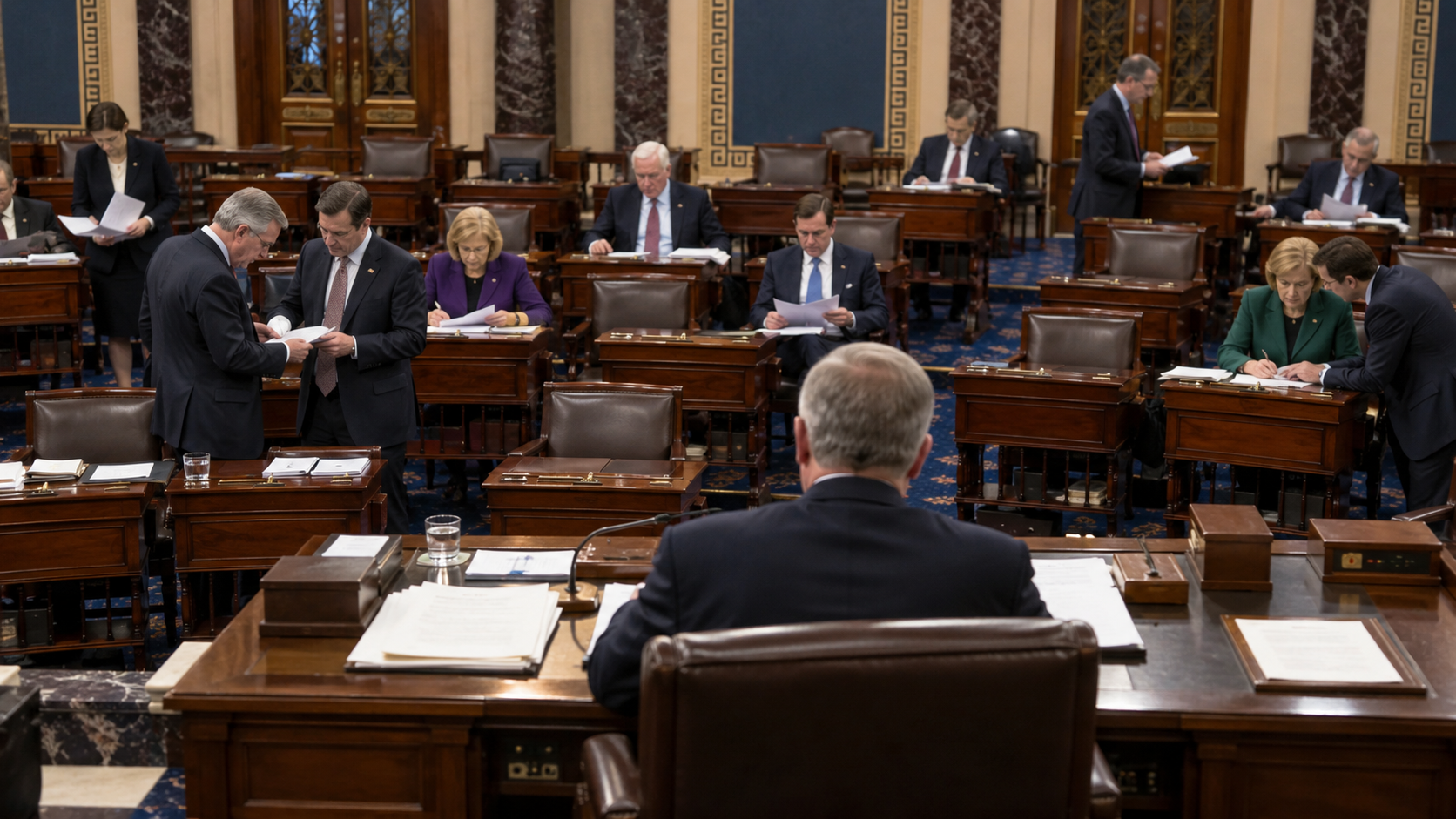
Unanimous consent is a way for a legislature to take an action when no member objects to the proposed request. In the United States Senate, it helps organize business that would otherwise require more formal procedural steps. The presiding officer asks whether there is an objection, and the request can proceed if none is raised. This arrangement might cover something routine, such as a speaking opportunity, or something significant, such as the terms for considering a bill.
The word unanimous can be misleading outside the chamber. Consent obtained this way does not necessarily mean that every senator personally cast a recorded affirmative vote. It means the request encountered no objection under the procedure being used. A senator may accept a timetable while opposing the underlying legislation. Separating agreement about how a debate will happen from agreement about the policy itself helps explain why political opponents sometimes cooperate on procedural requests during a contentious legislative week.
Consider a hypothetical bill with many proposed amendments. Senators might negotiate an agreement setting debate time, deciding which amendments receive consideration, and identifying when votes will occur. That gives participants a clearer schedule and can protect opportunities important to different groups. Once accepted, a unanimous consent agreement can govern proceedings as an order of the Senate. Its exact language matters: a broad headline about a deal may conceal detailed conditions affecting amendments, timing, or voting thresholds.
An objection prevents the specific request from being accepted by unanimous consent, but it does not automatically defeat the bill or end all possible action. Leaders may negotiate different terms or use other available procedures. Conversely, agreement on a schedule does not guarantee a measure will pass. When reading about unanimous consent, identify precisely what was requested, whether an objection was made, and what rules the agreement actually establishes. Those details show whether the chamber settled a policy question, a procedural question, or merely the next step in its work.
Consent can organize debate, amendments, speaking time, or other chamber business. Its scope comes from the request itself.
A lack of objection is different from a roll call showing every member voting in favor.
Negotiated agreements can give competing groups predictable opportunities to speak and offer amendments.
An accepted Senate agreement can bind later proceedings; changing its terms generally requires another agreement.
One objection blocks that particular consent request. Other procedural routes may remain available.
A senator can agree to a voting schedule and still vote against the legislation scheduled for consideration.
Explore more "Explainers"
Discover additional explainers across politics, science, business, technology, and other fields. Each explainer breaks down a complex idea into clear, everyday language—helping you better understand how major concepts, systems, and debates shape the world around us.