

On This Day in Tech: September 29, 1988
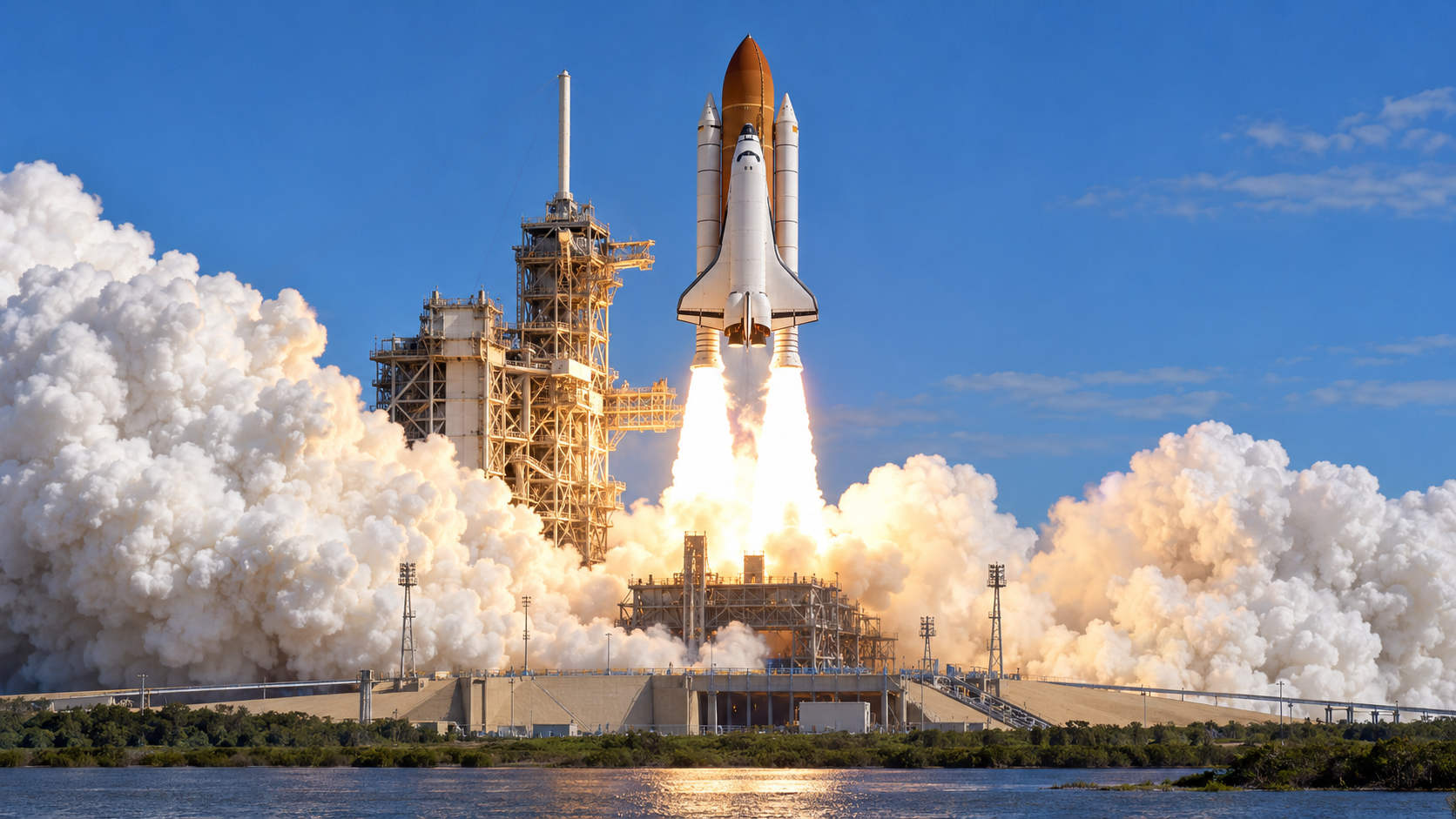
On September 29, 1988, Space Shuttle Discovery lifted off from Launch Pad 39B at Kennedy Space Center on mission STS-26. The launch returned American astronauts to space after a 32-month suspension that followed the Challenger accident of January 1986. Discovery carried an all-veteran crew: commander Frederick Hauck, pilot Richard Covey, and mission specialists John Lounge, David Hilmers, and George Nelson. More than a routine resumption, the flight was a public test of whether extensive engineering, management, and safety changes could restore confidence in the shuttle system.
The Challenger investigation had identified failed O-ring seals in a solid rocket booster field joint as the immediate hardware cause, while also criticizing the decision-making culture that permitted launch despite warnings about cold weather. NASA and its contractors redesigned the booster joints, added features to keep the seals properly positioned and protected, and conducted full-scale test firings. The broader return-to-flight effort introduced more than 200 changes. Crews received pressure suits for launch and entry, the orbiter gained an emergency escape system for limited situations, and safety reviews and management responsibilities were reworked.
Discovery launched at 11:37 a.m. Eastern Time after delays involving winds and pressure-suit cooling-system fuses. The redesigned boosters completed their powered phase and separated normally. Every ascent milestone received unusual attention because the flight was validating a redesigned safety system in real time. In orbit, the crew deployed TDRS-3, a Tracking and Data Relay Satellite that expanded communications coverage for spacecraft and Mission Control. An attached upper stage then moved the satellite toward geosynchronous orbit. The astronauts also practiced procedures associated with the new escape equipment and monitored a collection of scientific and technology experiments. The mission lasted four days and 64 orbits. Discovery landed at Edwards Air Force Base on October 3, completing the carefully planned flight without a major failure.
STS-26 did not prove that human spaceflight could ever be free of risk, nor did it erase the organizational lessons of Challenger. Its importance was more specific: redesigned hardware and revised procedures had been tested under real flight conditions, and the shuttle program could resume with a stronger safety framework. Engineers later inspected the recovered boosters and found the modified field joints had performed as intended. Discovery’s return to flight reopened a launch schedule that would support scientific missions, satellite deployment, and assembly of later space infrastructure. The September 29 launch remains a case study in how complex technical organizations investigate failure, redesign systems, and earn permission to operate again.
The Challenger accident in January 1986 halted shuttle flights and exposed both a failed solid rocket booster joint and serious weaknesses in launch decision-making. NASA began a 32-month recovery and redesign effort.
Discovery was selected for STS-26 with five veteran astronauts. The mission would test redesigned hardware, updated procedures, and a safety organization rebuilt under intense public scrutiny.
Discovery launched from Pad 39B at 11:37 a.m. on September 29. The redesigned solid rocket boosters completed their work and separated normally during ascent.
The crew deployed the TDRS-3 communications satellite and conducted experiments during four days and 64 orbits. Discovery landed at Edwards Air Force Base on October 3.
The return-to-flight effort included more than 200 changes, among them redesigned booster field joints, launch-and-entry pressure suits, a limited emergency escape system, and revised safety oversight.
STS-26 showed that the specific redesigns could perform in flight, allowing the shuttle program to resume. It remains an important example of technical recovery that also required organizational reform.
Explore more of "On This Day ..."
Discover more events from the same date across news, politics, technology, sports, and other fields. Each link highlights significant moments that shaped history on different fronts.