

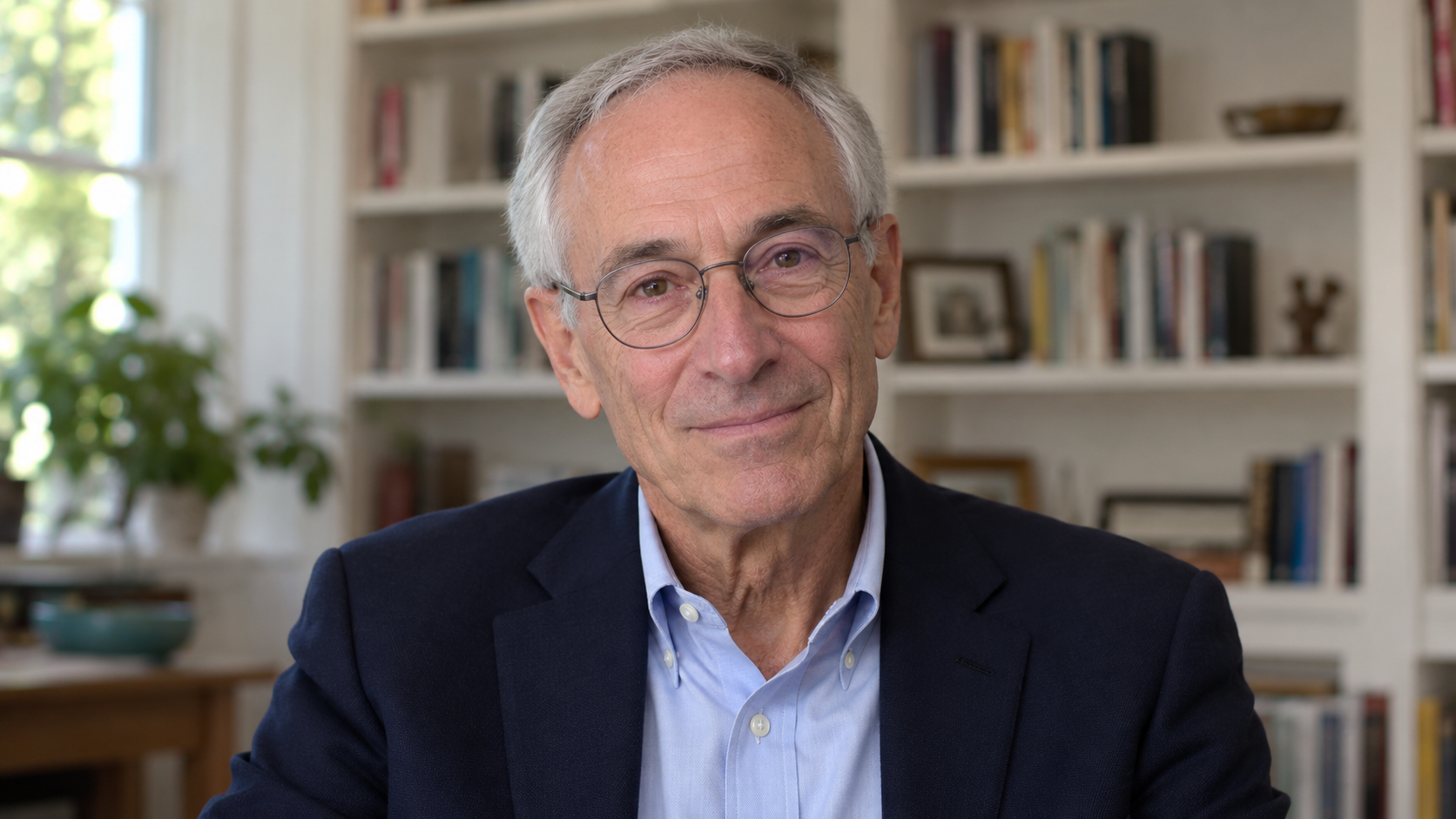
“If we really care about mental health, it’s about more than mental health care.”
Thomas Insel offered this thought in a March 2022 PBS NewsHour interview with Judy Woodruff. MindSite News, which he co-founded, reproduced these words when reporting the interview. The psychiatrist and former director of National Institute of Mental Health was discussing the need to support a person’s life beyond the boundaries of a clinical encounter. His remarks explicitly recognized the importance of medical care while also emphasizing social support, a safe environment for recovery and a sense of purpose. That context prevents the quote from becoming a dismissal of treatment. It asks for a wider response to the needs of people living with mental-health conditions. A service can attend to symptoms and still leave important practical difficulties unanswered. Insel’s sentence gives those difficulties a place within a serious conversation about what recovery requires and what institutions should help make possible.
The distinction can be understood by considering what happens between appointments. A person may need somewhere stable to live, a dependable connection with another person or assistance with an ordinary task that has become difficult. These examples illustrate the broader principle; they are not a list of measures that will produce a guaranteed outcome. They also show why one professional cannot be expected to meet every need alone. A useful system can clarify who offers which kind of help, make the connections understandable and reduce the burden of navigating them. Coordination matters because a collection of available services can still feel inaccessible when someone has to discover each one independently. The quote encourages us to ask how clinical care and practical support meet in the experience of the person seeking assistance, rather than assuming that their separate availability is enough.
Insel’s emphasis on building a life allows each person to define what matters to them. Meaning need not take the form of a dramatic achievement or a return to a role chosen by someone else. It may involve a relationship, an interest or a responsibility that fits the person’s circumstances. A system can support that possibility without making purpose another demand placed on someone who is already struggling. For readers outside health services, the quote can prompt a more thoughtful form of support: remain present, ask what would be useful and recognize the limits of what you can offer. A friend’s care and professional treatment have different roles, and both may belong in a broader network. The sentence asks institutions and communities to keep their attention on the person’s whole experience. Its ambition is practical as well as humane: connect necessary care with conditions in which a life can become more secure, connected and personally meaningful.
A clinical encounter is one part of a person’s week. Practical difficulties outside it can shape the experience of trying to recover.
A broader response asks how support is reached and sustained. The connection between services matters as much as their separate presence.
Insel’s interview recognizes the need for treatment while arguing for additional social supports. The sentence should be read with both parts of that context.
Different kinds of help can serve different purposes. A useful network makes those roles clear and supports cooperation without asking one person to provide everything.
A sense of purpose may arise through relationships, interests or responsibilities. It should reflect the person’s own priorities and circumstances.
Supporting meaning is different from demanding achievement. Give people an opportunity to describe their values and the assistance they would welcome.
Explore more "Quotes of The Day"
Discover more notable quotes from influential voices across politics, science, business, technology, sports, and culture. Each quote offers insight into how ideas, beliefs, and decisions shape the world around us.