

On This Day in Health: July 5, 1948
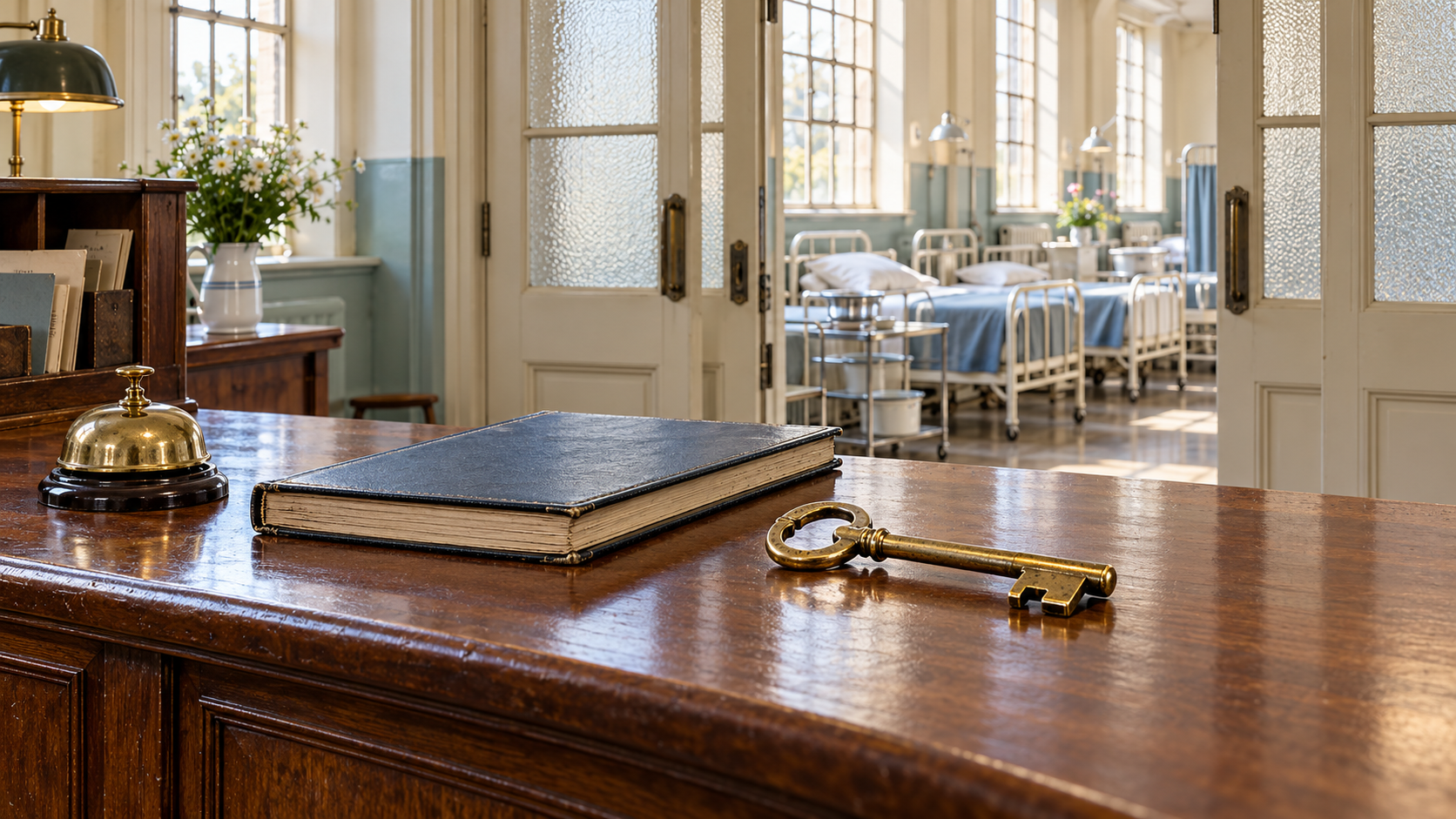
On July 5, 1948, the National Health Service began operating across Britain, bringing hospitals, family doctors, nurses, pharmacists, dentists, and opticians into a new public system. Its guiding principle was that healthcare would be available to everyone and free at the point of delivery, financed largely through taxation. Health Minister Aneurin Bevan marked the launch at Park Hospital in Davyhulme near Manchester, now Trafford General Hospital. During the visit, he symbolically received the hospital's keys from Lancashire County Council. Thirteen-year-old Sylvia Diggory, treated at the hospital that day, became remembered as the first NHS patient in the institution associated with the service's formal opening.
Before the NHS, Britain already had skilled doctors and hospitals, but access and administration were fragmented. Voluntary hospitals depended partly on charity and subscriptions, municipal institutions were run by local authorities, and insurance arrangements covered some workers while leaving gaps for families and other people. Wartime planning and the 1942 Beveridge Report strengthened the case for broad social protection. Parliament passed the National Health Service Act in 1946 for England and Wales, with related legislation establishing services in Scotland and Northern Ireland. The 1948 launch turned those plans into a nationwide change in how care was organized and paid for.
The first day did not instantly resolve shortages, waiting, uneven facilities, or disagreements about professional independence. Negotiations with doctors had been difficult, and the new service inherited buildings and systems of widely varying quality. Demand was also high as people sought dental care, eyeglasses, and treatment that had previously been unaffordable or postponed. Some charges were introduced in later years, and the NHS developed through repeated reforms. The phrase free at the point of delivery described the central access principle, not an absence of cost: the public financed services collectively, and resources still had to be allocated among competing health needs.
The launch changed the relationship between illness and household income for millions of people. A person no longer had to make the same immediate choice between seeking covered care and paying the full bill at the time of treatment. The NHS also created a common structure through which vaccination, maternity services, hospital care, general practice, and later medical advances could reach the population. Its record has included major achievements alongside continuing pressures over staffing, funding, access, and inequality. July 5 remains a landmark because an ambitious political promise became a functioning health service on that date. The symbolic key at Park Hospital represented a larger transfer of responsibility: healthcare was being treated as a public service available according to need.
The NHS brought several kinds of care into one public framework. Hospitals, general practice, pharmacy, dentistry, and optical services all formed part of the launch.
Park Hospital hosted the symbolic national opening. Its later name, Trafford General Hospital, preserves the site's continuing place in NHS history.
Free at the point of delivery meant patients would not generally pay the full cost when receiving care. The system still required public funding and decisions about limited resources.
The service inherited uneven buildings, shortages, and high unmet demand. Launching a national system did not make access or quality equal everywhere overnight.
Universal access changed expectations about the state's responsibility for health. The model linked medical treatment with a wider postwar program of social security.
The NHS continued to evolve after 1948 through reforms, new treatments, and recurring funding debates. Its founding principle remained a reference point for those changes.
Explore more of "On This Day ..."
Discover more events from the same date across news, politics, technology, sports, and other fields. Each link highlights significant moments that shaped history on different fronts.