

“We are on the side of press freedom, democracy, and justice.”
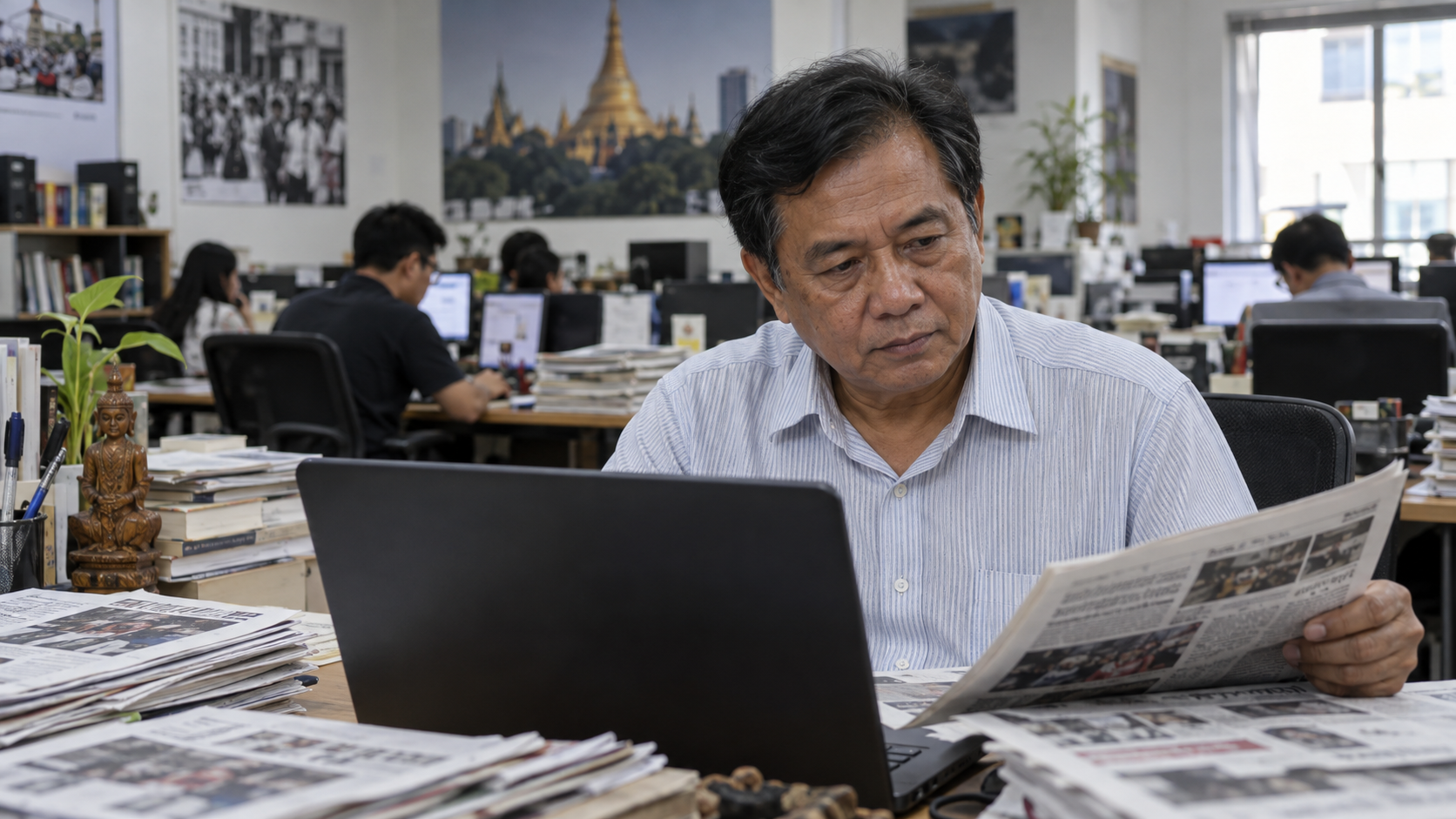
Burmese journalist Aung Zaw made this declaration while accepting the Committee to Protect Journalists’ 2014 International Press Freedom Award. He founded The Irrawaddy in exile after imprisonment and political repression, building a publication known for reporting on Burma’s military governments and democratic opposition. When the outlet returned to Yangon during a period of reform, early hope was followed by renewed arrests, intimidation, detention, and the death of a reporter in military custody. Aung Zaw’s sentence sets a direction rather than claiming neutrality between freedom and repression: independent journalism can pursue fair methods while openly defending the public’s right to reliable information.
That distinction matters during political transition. Elections, released prisoners, relaxed censorship, or new media laws can be significant without proving that old power structures have disappeared. Reporters should test reform through observable measures: who can publish, which questions bring retaliation, whether courts operate independently, how ownership affects coverage, and whether security forces answer for abuse. Official promises deserve accurate quotation and serious examination, but they should be compared with enforcement records and the experiences of local journalists. A transition is best covered as a process supported by evidence, not as a completed story announced by those in authority.
Exile media can preserve questions that domestic institutions are forbidden to ask. Returning home, however, changes the risk to reporters, sources, archives, and families. Newsrooms need secure communication, distributed backups, legal preparation, and clear decisions about what material should remain outside the country. Collaboration between returning journalists and colleagues who never left must recognize differences in access and danger. Local contributors should receive fair credit and compensation, while identifying details are withheld when publicity would expose them to surveillance or arrest.
Aung Zaw said his rocky relationship with the government probably meant his newsroom was doing its job. Friction can be a consequence of accountability reporting, but criticism alone does not prove accuracy. The stronger measure is whether a story uses corroborated evidence, offers a meaningful right of reply, distinguishes fact from analysis, and corrects mistakes transparently. Journalism stands with democracy and justice by giving citizens information they can test and use, not by adopting the slogans of any faction. The quote remains relevant wherever reform is praised before independent institutions are secure. Reporters serve the public when they document progress honestly, expose backsliding without exaggeration, and preserve a record strong enough to challenge both official triumphalism and reflexive despair. Continued follow-up reveals whether promised reforms endure after international attention moves elsewhere.
Aung Zaw delivered the line in his 2014 CPJ speech after describing The Irrawaddy's return from exile and renewed pressure on journalists in Burma.
Political reform should be measured through publication freedom, court independence, ownership, enforcement records, source safety, and accountability for attacks—not declarations alone.
Exile and returning newsrooms need secure archives, fair local partnerships, legal preparation, transparent corrections, and reporting that tests every faction's claims against evidence.
Explore more "Quotes of The Day"
Discover more notable quotes from influential voices across politics, science, business, technology, sports, and culture. Each quote offers insight into how ideas, beliefs, and decisions shape the world around us.