

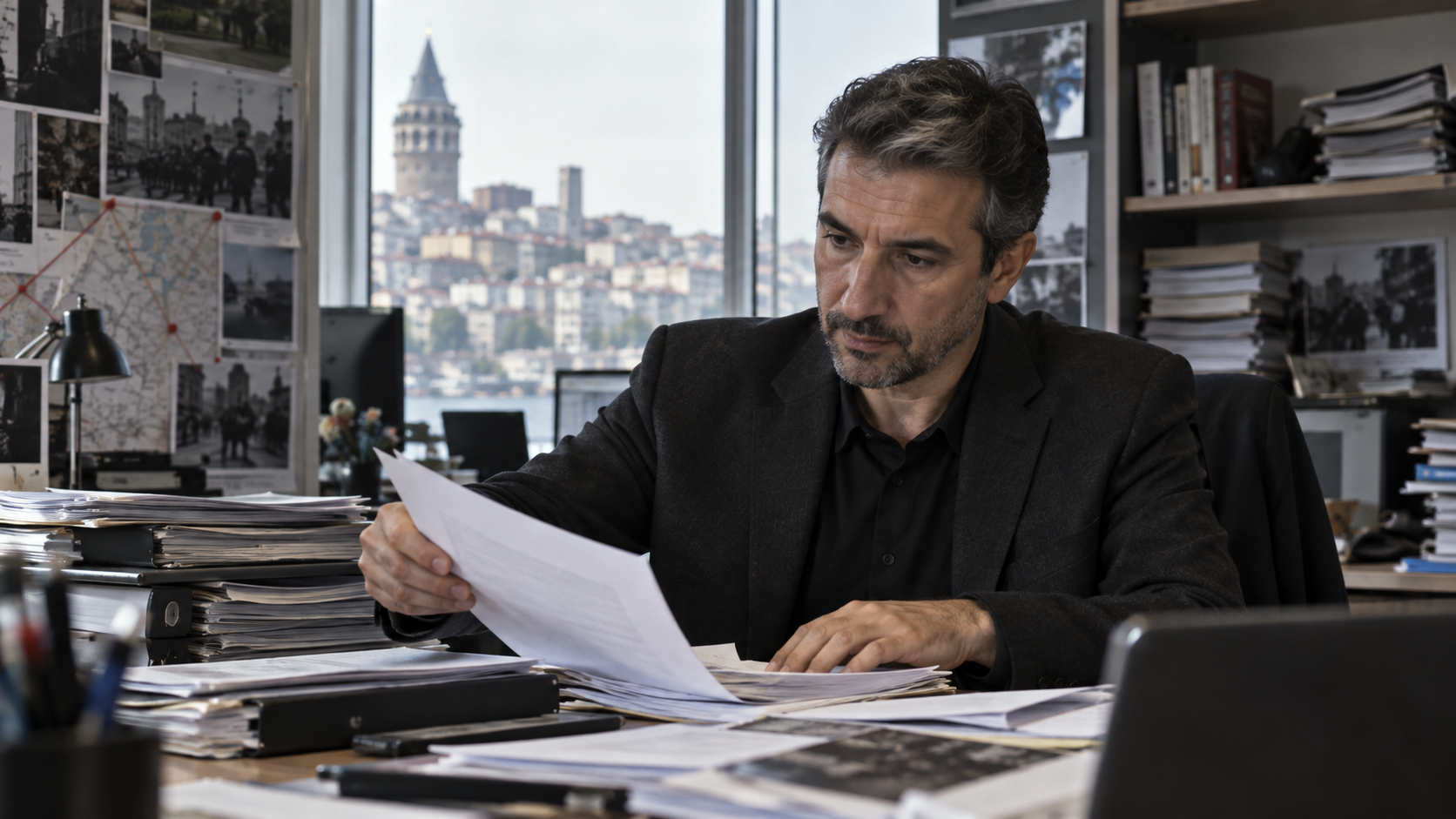
“The truth cannot be destroyed or imprisoned.”
Turkish investigative journalist Nedim Şener used these words during his 2013 international press-freedom award address. He had investigated the 2007 murder of Armenian-Turkish editor Hrant Dink and alleged failures or complicity among police and intelligence officials. Şener was detained in 2011, spent 376 days in prison, and faced terrorism-related accusations that he connected to his reporting. His sentence does not suggest that every published claim becomes permanent truth. It argues that evidence, once responsibly established and shared, cannot be fully erased by confining the journalist who uncovered it. The archive can continue to inform new reporting after the original newsroom comes under pressure.
For that principle to hold, an investigation needs a durable evidentiary foundation. Reporters should preserve original documents, record how files were obtained, compare independent witnesses, and separate verified findings from inference. Editors need a secure system for reviewing sensitive material and maintaining copies that cannot be removed through one seizure or account closure. Corrections should remain attached to the public record so that durability does not become stubbornness. Truth survives pressure because the method is visible and the supporting evidence can be examined, not because a reporter claims personal infallibility.
Investigating state institutions creates special risks when the same institutions control surveillance, prosecution, and detention. Newsrooms should conduct legal review before publication, minimize unnecessary identifying information, and agree on contingency plans with reporters and sources. Collaborative publication can prevent authorities from silencing a story by targeting one person. Yet collaboration must respect confidentiality: access to sensitive files should be limited, encrypted, and documented. Public-interest value should guide what is released, while details that create foreseeable harm without strengthening the finding are withheld.
Şener also contrasted a narrow view of democracy as periodic voting with journalism’s everyday defense of the right to be informed. That right depends on sustained access to accurate records about institutions between elections. Imprisonment can interrupt reporting, damage health, frighten sources, and impose enormous costs; it should never be romanticized as proof of professional worth. The response is to support the detained journalist, continue testing the underlying claims, and preserve the archive for courts, researchers, and citizens. Şener’s quote remains compelling because it turns survival into a collective task. A fact becomes harder to bury when multiple people verify it, responsible outlets publish it, corrections improve it, and communities understand why it matters. Authorities may imprison a reporter, but they cannot easily imprison a well-documented public record distributed beyond their control.
Şener spoke the line in his 2013 CPJ address after imprisonment and terrorism accusations connected to investigations of Hrant Dink's murder and official responsibility.
Truth becomes durable through original records, provenance, corroboration, transparent inference, visible corrections, secure archives, and evidence available for independent examination.
Legal preparation, limited access to sensitive files, collaborative publication, and continued support for detained reporters help prevent one arrest from ending an investigation.
Explore more "Quotes of The Day"
Discover more notable quotes from influential voices across politics, science, business, technology, sports, and culture. Each quote offers insight into how ideas, beliefs, and decisions shape the world around us.