

On This Day in Health: August 18, 1932
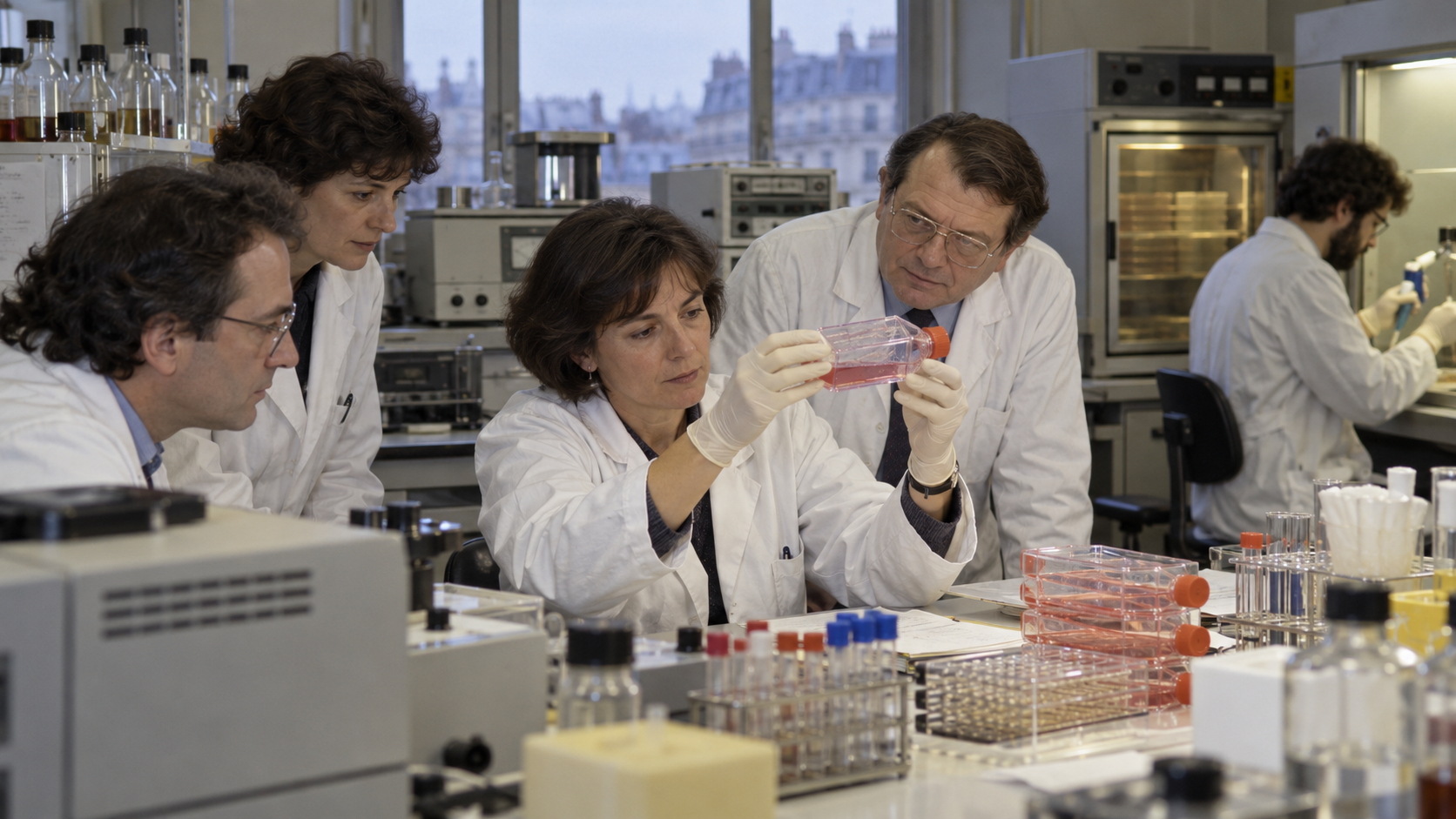
Luc Montagnier was born in Chabris, France, on August 18, 1932. Trained in virology, he led a research unit at the Pasteur Institute when physicians confronted a new syndrome marked by severe immune failure. In early 1983, Françoise Barré-Sinoussi, Jean-Claude Chermann, Montagnier, and colleagues studied a lymph-node sample from a patient with persistent swelling. They detected activity characteristic of a retrovirus and observed viral particles in cultured immune cells. The team published evidence for the virus that would later be named human immunodeficiency virus, or HIV.
Establishing HIV as the cause of AIDS required more than the first isolation. Laboratories compared additional samples, developed tests, characterized the virus, and linked infection to the clinical syndrome. A bitter dispute emerged between French and U.S. groups over priority, naming, patents, and the origin of laboratory samples. The scientific record now recognizes the Pasteur team’s central role in the discovery and the contributions of other researchers who turned it into reproducible knowledge. Barré-Sinoussi and Montagnier received half of the 2008 Nobel Prize in Physiology or Medicine for the discovery of HIV.
Identifying the virus transformed the response to AIDS. Blood tests made it possible to diagnose infection, screen donations, conduct surveillance, and study transmission. Antiretroviral drugs later converted HIV from a rapidly fatal infection into a manageable chronic condition for many people with reliable access to care. Effective treatment can suppress the virus to undetectable levels, protecting health and preventing sexual transmission. These gains emerged from international research, activism, clinical trials, public programs, and the work of affected communities, not from one laboratory alone. Inequity, stigma, and gaps in prevention and treatment continue.
Montagnier’s later career also illustrates the need to separate a validated achievement from unsupported claims. After his Nobel-recognized work, he promoted ideas about extreme DNA dilutions and other subjects that lacked credible evidence and drew strong scientific criticism. A responsible history can honor the HIV discovery without granting authority to unrelated assertions. The August 18 anniversary therefore carries two lessons. Persistent laboratory investigation can identify the cause of a frightening new disease and unlock diagnosis and therapy. Scientific standing, however, must remain tied to reproducible evidence. Each claim deserves evaluation on its own methods and results, regardless of the speaker’s past honors. The discovery also made precise prevention possible. Once tests identified infection, blood services could screen donations and public-health programs could explain sexual, blood-borne, and perinatal transmission without relying on stigma. Treatment during pregnancy and appropriate infant care now prevent most vertical transmission where services are consistently available, demonstrating how virology becomes public health.
Montagnier was born on August 18, 1932, trained as a virologist, and led a Pasteur Institute unit during the first years of the AIDS crisis.
Barré-Sinoussi and colleagues detected reverse-transcriptase activity and viral particles in cultured cells from a patient with persistent lymph-node swelling.
The 1983 report began a larger process of confirmation, naming, testing, and causal evidence involving laboratories in France, the United States, and elsewhere.
Isolation of HIV enabled blood screening, diagnosis, surveillance, antiviral development, and direct study of transmission and disease progression.
Combination treatment now allows many people with access to care to live long lives, while stigma and unequal access remain serious health problems.
Montagnier’s later unsupported claims show why scientific credibility belongs to reproducible evidence rather than permanently to a famous individual.
Explore more of "On This Day ..."
Discover more events from the same date across news, politics, technology, sports, and other fields. Each link highlights significant moments that shaped history on different fronts.