

On This Day in Lifestyles: February 19, 1878
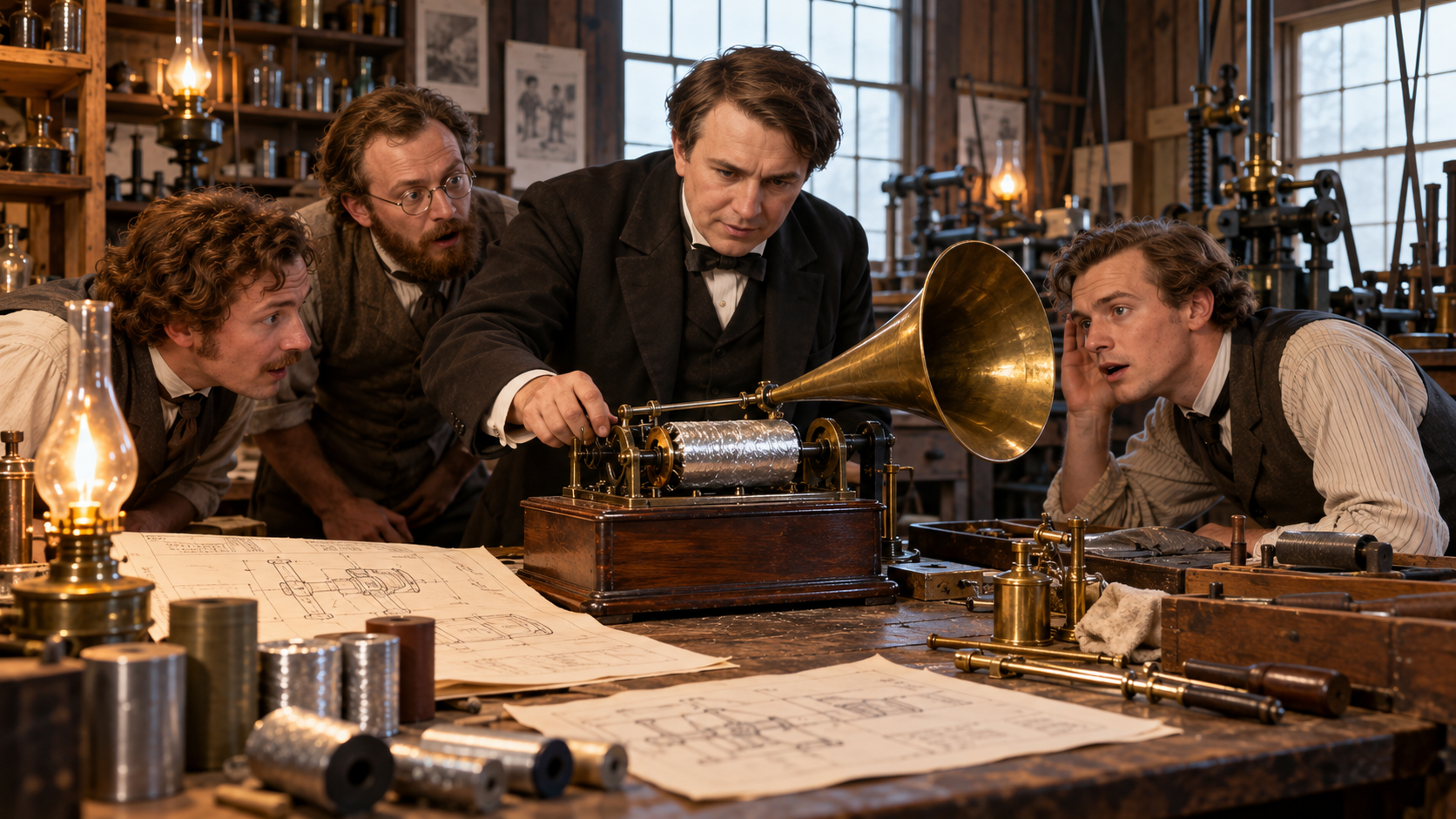
On February 19, 1878, Thomas Edison received a U.S. patent for an invention that recorded and reproduced sound: the phonograph. In the early machine, a stylus traced vibrations into tinfoil wrapped around a rotating cylinder, then followed those marks to play the sound back. For astonished listeners, a voice could suddenly persist after the speaker stopped. The date matters because it converted years of preparation into something the public could encounter directly. A broad change in culture became visible at human scale, through choices, routines, and spaces that ordinary people could recognize.
Earlier technologies transmitted sound or represented music mechanically, but Edison’s device joined recording and playback in one understandable demonstration. Work at the Menlo Park laboratory brought machinists, experimenters, materials, and publicity together. Edison quickly proposed many uses, from dictation and language study to family messages and entertainment. Some ideas arrived early; others became central to later recording culture. That context explains why the milestone resonated beyond a single institution. Ideas that had once seemed specialized or remote were moving into public life, where they could be tested, repeated, debated, and woven into daily experience.
The first recordings were brief, fragile, and noisy. Operating the machine required care, and tinfoil did not offer a durable consumer format. Yet public demonstrations made the phonograph a sensation because the effect was instantly graspable. Listening changed from an experience tied to a live source into something repeatable. A performance, spoken greeting, or voice of a distant person could become an object. The immediate impact was practical as well as symbolic. Participants adjusted habits and expectations, while newspapers, photographs, advertising, and conversation carried the story outward. The excitement of novelty existed alongside limits that later memory can easily smooth away.
Cylinder records, discs, magnetic tape, digital files, and streaming transformed the technology, but they retained the phonograph’s basic cultural promise: capture sound and hear it again elsewhere. Recording created new industries and preserved performances while also raising questions about ownership, compensation, authenticity, and privacy. The 1878 patent marks a threshold in modern memory, when sound became reproducible media. Its legacy is larger than an anniversary. The event survives in institutions and habits people now take for granted, while also inviting questions about access, representation, responsibility, and preservation. Looking back restores the human decisions behind a familiar part of modern life. The anniversary also reminds us that everyday life is where large historical forces become personal, repeated, debated, and ultimately durable.
A stylus cut sound vibrations into tinfoil on a rotating cylinder and then retraced them for playback.
This detail helps place the anniversary in its original setting.
For the first time, many listeners heard a human voice reproduced after the original speaker had fallen silent.
The wider context explains why the moment drew public attention.
Later cylinders, discs, tape, digital files, and streaming extended the idea into everyday recorded culture.
Its legacy remains visible in contemporary culture and everyday life.
Explore more of “This Day in Lifestyles”
Discover more moments in everyday life, design, education, travel, food, fashion, and culture. Each story connects a calendar date with an event that changed how people lived.