

On This Day in Lifestyles: February 25, 1919
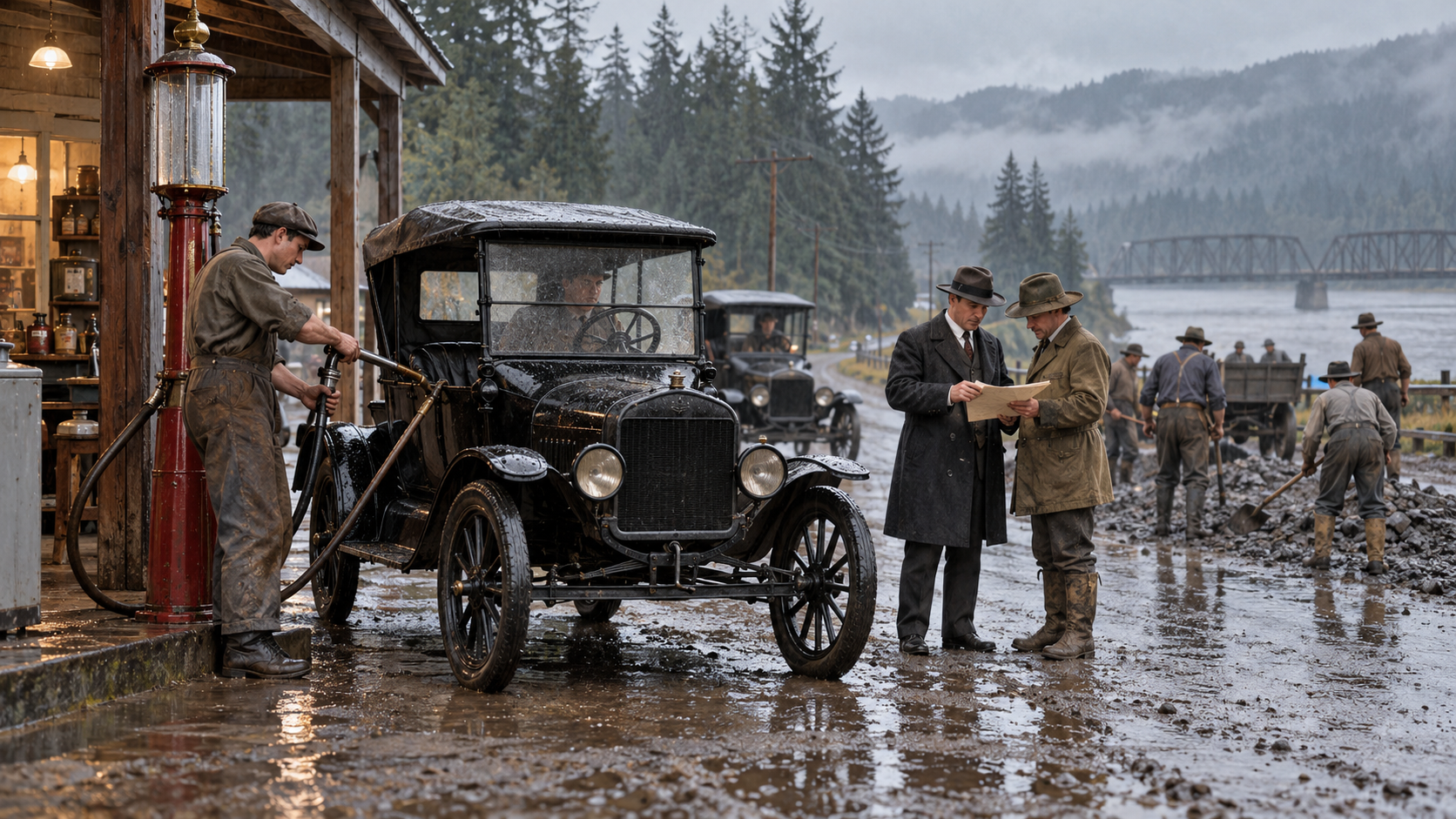
On February 25, 1919, Oregon enacted the nation’s first state tax on gasoline, charging one cent per gallon to support roads. The policy connected the cost of driving with construction and maintenance of the infrastructure automobiles used. At a filling station, a tiny addition to each purchase represented a major shift in how governments would finance the rapidly expanding motor age. The date matters because it converted years of preparation into something the public could encounter directly. A broad change in culture became visible at human scale, through choices, routines, and spaces that ordinary people could recognize.
Automobile ownership was growing quickly, and existing roads were often muddy, narrow, or poorly suited to heavier traffic. Registration fees and general taxes did not fully answer the demand for better highways. Oregon lawmakers argued that gasoline consumption offered a practical measure of road use. Collecting the tax from distributors also made administration more efficient than relying on every individual retailer. That context explains why the milestone resonated beyond a single institution. Ideas that had once seemed specialized or remote were moving into public life, where they could be tested, repeated, debated, and woven into daily experience.
Revenue helped improve routes such as the Pacific Highway and Columbia River Highway, making travel more reliable for work, freight, tourism, and family life. Other states adopted similar taxes, and eventually the federal government did as well. The system encouraged a powerful expectation: drivers would pay into roads through fuel, while public agencies would turn those payments into a connected transportation network. The immediate impact was practical as well as symbolic. Participants adjusted habits and expectations, while newspapers, photographs, advertising, and conversation carried the story outward. The excitement of novelty existed alongside limits that later memory can easily smooth away.
Gas taxes helped build twentieth-century mobility but now face pressure from fuel efficiency, electric vehicles, inflation, climate goals, and differing rural and urban needs. Policymakers debate mileage fees and other alternatives while drivers still notice taxes at the pump. Oregon’s 1919 law matters because it established a lasting user-pay model and tied one routine purchase to the physical shape of communities. Its legacy is larger than an anniversary. The event survives in institutions and habits people now take for granted, while also inviting questions about access, representation, responsibility, and preservation. Looking back restores the human decisions behind a familiar part of modern life. The anniversary also reminds us that everyday life is where large historical forces become personal, repeated, debated, and ultimately durable.
The state imposed a one-cent-per-gallon tax on gasoline, the first such state levy in the nation.
This detail helps place the anniversary in its original setting.
Revenue supported early road construction and maintenance as automobile traffic grew.
The wider context explains why the moment drew public attention.
Electric vehicles, efficient engines, inflation, and climate policy challenge a system based on gallons of fuel sold.
Its legacy remains visible in contemporary culture and everyday life.
Explore more of “This Day in Lifestyles”
Discover more moments in everyday life, design, education, travel, food, fashion, and culture. Each story connects a calendar date with an event that changed how people lived.