

On This Day in Politics: February 6, 1788
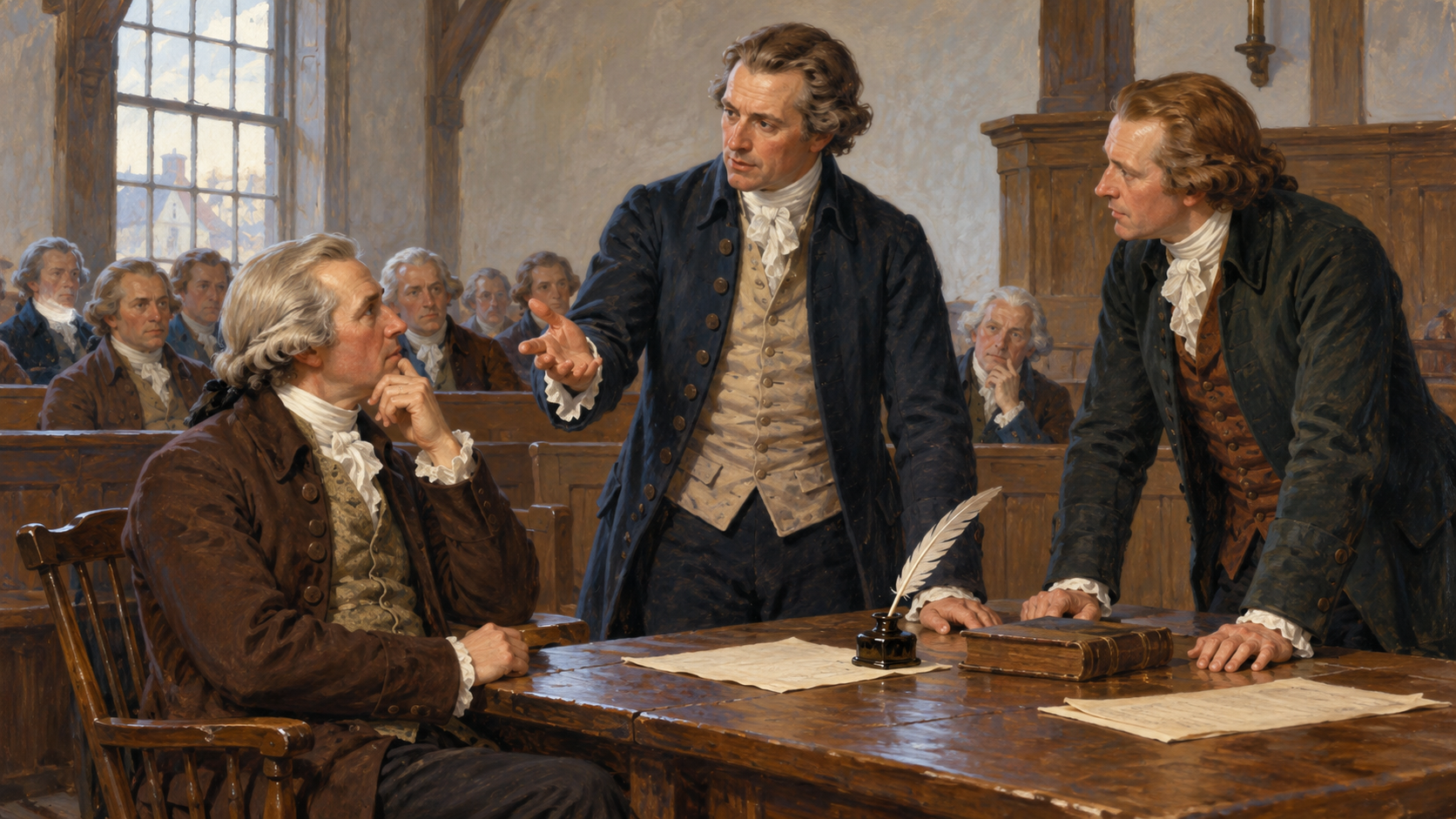
On February 6, 1788, delegates to the Massachusetts ratifying convention in Boston approved the proposed United States Constitution by 187 votes to 168. Massachusetts became the sixth state to ratify, adding an important endorsement while the new national framework still needed further state approvals. Convention president John Hancock helped bring support behind a settlement that paired ratification with recommended amendments. The vote did not put those amendments into the Constitution immediately. Instead, it accepted the proposed system while asking that protections and limits be added through the amendment process. That combination offered a practical route through a closely divided debate over the powers of the federal government.
The Constitution drafted in Philadelphia in 1787 proposed a national government substantially stronger than the one operating under the Articles of Confederation. Supporters argued that a more effective federal structure was necessary, while opponents worried about concentrated authority and insufficient safeguards for liberty. Approval by nine state conventions was required to establish the Constitution among the ratifying states. Five states had approved it before Massachusetts acted, but the outcome in several influential states remained uncertain. The Massachusetts debate therefore carried weight beyond its borders. Its delegates had to consider both the need for a workable union and the risk that the proposed government might exercise its powers too broadly.
The convention’s ratification document made the compromise concrete. After giving its assent to the Constitution, it recommended nine alterations. These included an explicit reservation of undelegated powers to the states, protections involving grand juries and civil jury trials, and limits concerning taxation and federal judicial authority. The delegates also instructed their future congressional representatives to pursue the recommendations using the Constitution’s own amendment procedure. Acceptance and revision were linked politically, but the recommended language was not a condition that had to be enacted before Massachusetts joined the new system. The final formal document was signed for transmission on February 7, one day after the convention’s vote, a distinction that explains the two dates associated with the record.
The Massachusetts approach gave other conventions a way to support ratification while seeking additional safeguards. New Hampshire supplied the ninth approval in June 1788, and the new federal government began operating in 1789. Congress subsequently proposed amendments, ten of which were ratified in 1791 as the Bill of Rights. Those amendments were not simply the Massachusetts recommendations copied into the Constitution; they emerged from a wider debate across the states and in Congress. February 6 remains significant because a narrow vote helped move the constitutional project forward without ending disagreement over governmental power. The result demonstrated how a promise of lawful revision could help secure acceptance of a new political framework while preserving demands for stronger protections.
The Massachusetts decision was the sixth ratification. The Constitution required nine states, so the February vote advanced the process without completing it.
A convention of delegates considered the proposed federal Constitution. This was a separate decision from Massachusetts's adoption of its own state constitution in 1780.
The convention recommended nine amendments alongside its assent. The recommendations addressed several subjects, including reserved powers, taxation, representation, and jury protections.
The recorded vote belongs to February 6. The signed transmission dated February 7 documents a later step in sending the convention's decision to Congress.
Later state conventions also paired approval with proposed safeguards. The broader ratification debate helped create political pressure for amendments in the First Congress.
The Bill of Rights followed in 1791. Its eventual adoption shows the importance of the amendment process, while its differences from the Massachusetts list show that the final outcome required further negotiation.
Explore more of "On This Day ..."
Discover more events from the same date across news, politics, technology, sports, and other fields. Each link highlights significant moments that shaped history on different fronts.