

On This Day in Health: October 1, 1991
On October 1, 1991, the first International Day of Older Persons was observed after the United Nations General Assembly designated October 1 for that purpose in December 1990. This date matters because it fixes a broad medical story to a specific moment, place, and group of people. It also shows how health history is shaped by institutions and practical choices as well as laboratory discoveries.
The background was already developing before that day. The 1982 World Assembly on Ageing had adopted the Vienna International Plan of Action, while longer life expectancy was making population ageing a central question for health systems, families, pensions, housing, and community design. Those conditions defined what participants could attempt and what patients or communities could reasonably expect. The available tools, social expectations, and professional structures all shaped the result. Change also depended on cooperation among people whose roles were not always recorded equally. They also explain why later accounts sometimes compress years of preparation into a single anniversary. Looking at that preparation keeps credit broad and makes the turning point easier to understand without turning it into a miracle story.
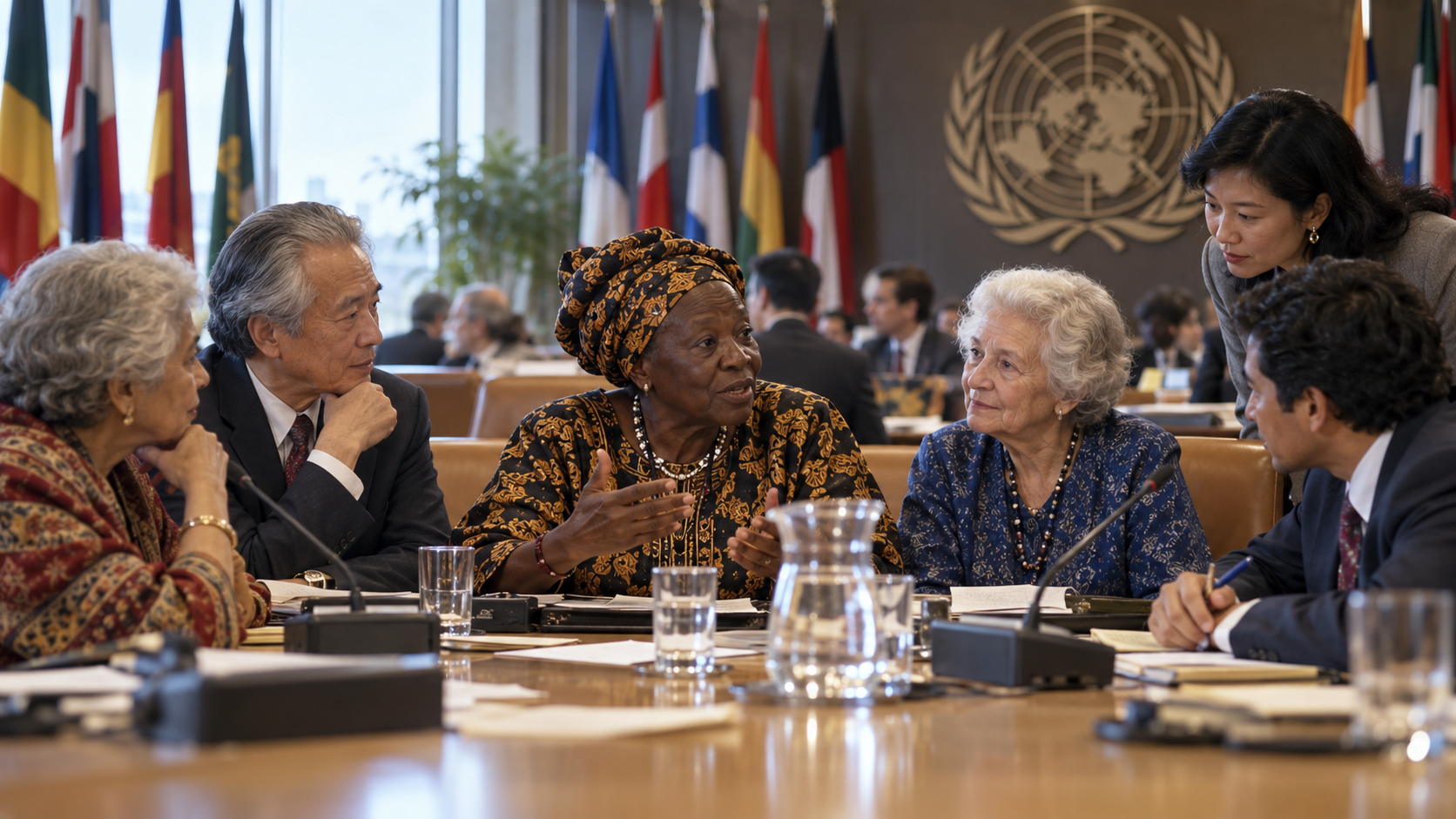
What happened on the date was consequential but limited. Governments, civic groups, and older people used the new observance to discuss independence, participation, care, self-fulfillment, and dignity. The annual date gave ageing policy a recurring public platform rather than treating later life only as a private family matter. An awareness day could not guarantee income security, accessible care, protection from abuse, or age-friendly environments. Older people also form a diverse population, so policy built around a single image of ageing can miss large differences in health, culture, disability, and resources. The distinction is important: the event did not instantly solve the underlying health problem, and later progress depended on follow-up research, training, policy, funding, and public trust. Contemporary evidence also helps separate what participants knew then from interpretations added after the result became famous.
Its longer legacy reaches beyond the original setting. The observance helped sustain international work that later included the 1991 UN Principles for Older Persons and the 2002 Madrid International Plan of Action on Ageing. Healthy ageing now emphasizes functional ability, social connection, prevention across the life course, and systems that respect older adults as participants in decisions rather than passive recipients of care. Seen in context, the anniversary is useful because it connects a concrete historical episode with continuing questions about evidence, access, safety, and responsibility in health care. That connection is stronger when the people affected, the limits of the achievement, and the work still unfinished remain part of the account.
Governments, civic groups, and older people used the new observance to discuss independence, participation, care, self-fulfillment, and dignity. The annual date gave ageing policy a recurring public platform rather than treating later life only as a private family matter.
An awareness day could not guarantee income security, accessible care, protection from abuse, or age-friendly environments. Older people also form a diverse population, so policy built around a single image of ageing can miss large differences in health, culture, disability, and resources.
The observance helped sustain international work that later included the 1991 UN Principles for Older Persons and the 2002 Madrid International Plan of Action on Ageing.
The 1982 World Assembly on Ageing had adopted the Vienna International Plan of Action, while longer life expectancy was making population ageing a central question for health systems, families, pensions, housing, and community design.
the first International Day of Older Persons was observed after the United Nations General Assembly designated October 1 for that purpose in December 1990.
Healthy ageing now emphasizes functional ability, social connection, prevention across the life course, and systems that respect older adults as participants in decisions rather than passive recipients of care.
Explore more of "On This Day ..."
Discover more events from the same date across news, politics, technology, sports, and other fields. Each link highlights significant moments that shaped history on different fronts.