

On This Day in Health: October 4, 1951
On October 4, 1951, Henrietta Lacks died of cervical cancer at Johns Hopkins Hospital in Baltimore at age 31. Months earlier, cells taken from her tumor without her knowledge had become the first widely used continuously growing human cell line. This date matters because it fixes a broad medical story to a specific moment, place, and group of people. It also shows how health history is shaped by institutions and practical choices as well as laboratory discoveries.
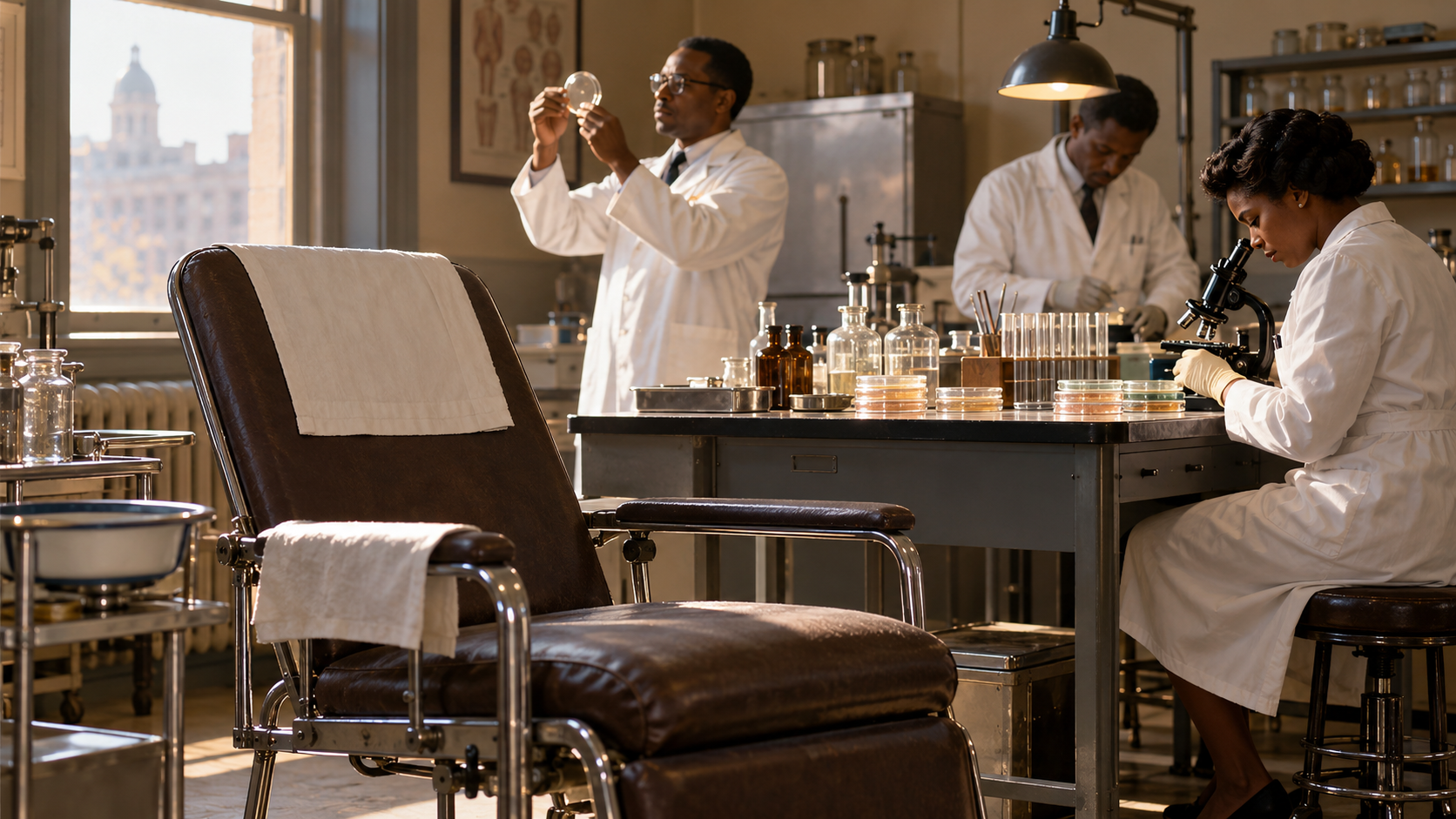
The background was already developing before that day. Researchers had struggled to keep human cells alive outside the body. During Lacks's treatment, tissue samples were passed to George Gey's laboratory under practices that did not require the informed consent now expected for research use of identifiable human specimens. Those conditions defined what participants could attempt and what patients or communities could reasonably expect. The available tools, social expectations, and professional structures all shaped the result. Change also depended on cooperation among people whose roles were not always recorded equally. They also explain why later accounts sometimes compress years of preparation into a single anniversary. Looking at that preparation keeps credit broad and makes the turning point easier to understand without turning it into a miracle story.
What happened on the date was consequential but limited. The cells, labeled HeLa, multiplied unusually well and were distributed to laboratories around the world. They supported studies of polio, cancer, viruses, genetics, toxicology, radiation, and many other fields while Lacks's family remained unaware of the cell line for decades. The scientific value of HeLa cells does not erase the failures of consent, privacy, communication, and benefit sharing. Early cultures were also prone to contamination, and HeLa cells sometimes overgrew other samples and distorted research results. The distinction is important: the event did not instantly solve the underlying health problem, and later progress depended on follow-up research, training, policy, funding, and public trust. Contemporary evidence also helps separate what participants knew then from interpretations added after the result became famous.
Its longer legacy reaches beyond the original setting. Lacks's story became a central case in discussions of research ethics, tissue ownership, race, trust, and recognition of patients whose biological materials make discovery possible. New agreements and policies have increased family participation in decisions about access to HeLa genomic data, while debates continue over consent and fair treatment in biobanking and precision medicine. Seen in context, the anniversary is useful because it connects a concrete historical episode with continuing questions about evidence, access, safety, and responsibility in health care. That connection is stronger when the people affected, the limits of the achievement, and the work still unfinished remain part of the account.
The cells, labeled HeLa, multiplied unusually well and were distributed to laboratories around the world. They supported studies of polio, cancer, viruses, genetics, toxicology, radiation, and many other fields while Lacks's family remained unaware of the cell line for decades.
The scientific value of HeLa cells does not erase the failures of consent, privacy, communication, and benefit sharing. Early cultures were also prone to contamination, and HeLa cells sometimes overgrew other samples and distorted research results.
Lacks's story became a central case in discussions of research ethics, tissue ownership, race, trust, and recognition of patients whose biological materials make discovery possible.
Researchers had struggled to keep human cells alive outside the body. During Lacks's treatment, tissue samples were passed to George Gey's laboratory under practices that did not require the informed consent now expected for research use of identifiable human specimens.
Henrietta Lacks died of cervical cancer at Johns Hopkins Hospital in Baltimore at age 31. Months earlier, cells taken from her tumor without her knowledge had become the first widely used continuously growing human cell line.
New agreements and policies have increased family participation in decisions about access to HeLa genomic data, while debates continue over consent and fair treatment in biobanking and precision medicine.
Explore more of "On This Day ..."
Discover more events from the same date across news, politics, technology, sports, and other fields. Each link highlights significant moments that shaped history on different fronts.