

On This Day in Health: October 25, 1993
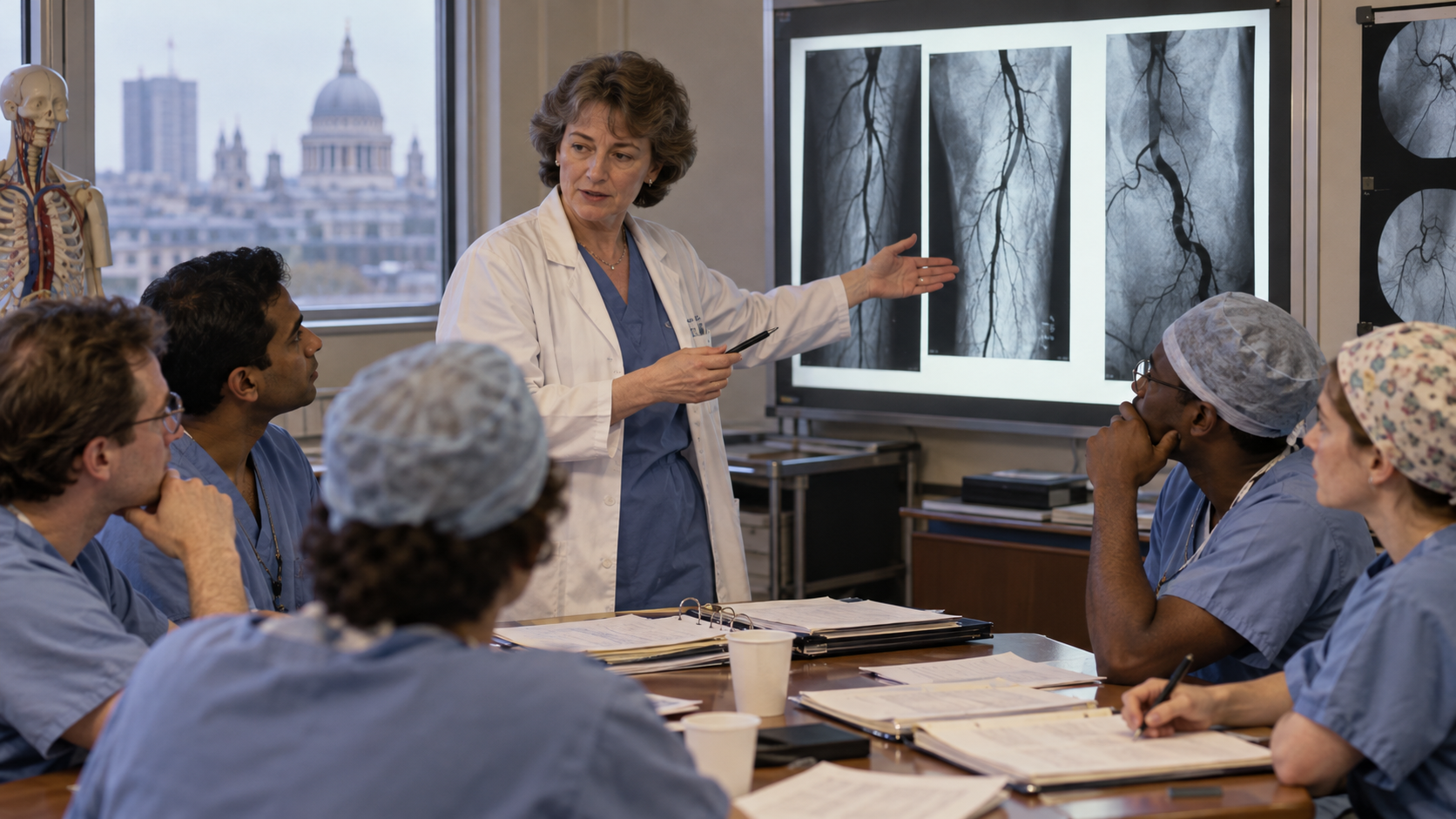
On October 25, 1993, vascular surgeon Averil Mansfield became the first woman appointed professor of surgery in the United Kingdom, taking the chair at St Mary's Hospital Medical School in London. This date matters because it fixes a broad medical story to a specific moment, place, and group of people. It also shows how health history is shaped by institutions and practical choices as well as laboratory discoveries.
The background was already developing before that day. Women had practiced surgery for generations but remained underrepresented in senior posts, professional networks, research leadership, and training structures designed around male careers. Mansfield herself had often been the only woman in surgical settings. Those conditions defined what participants could attempt and what patients or communities could reasonably expect. The available tools, social expectations, and professional structures all shaped the result. Change also depended on cooperation among people whose roles were not always recorded equally. They also explain why later accounts sometimes compress years of preparation into a single anniversary. Looking at that preparation keeps credit broad and makes the turning point easier to understand without turning it into a miracle story.
What happened on the date was consequential but limited. Her appointment recognized a career in vascular surgery, teaching, and service development. It also made a visible breach in a hierarchy where professorial authority helped shape research priorities, appointments, and the culture experienced by trainees. One appointment could not remove discriminatory selection, inflexible schedules, harassment, pay gaps, or the unequal distribution of unpaid care. Celebrating a first can also obscure earlier women whose work was excluded from titles and institutional recognition. The distinction is important: the event did not instantly solve the underlying health problem, and later progress depended on follow-up research, training, policy, funding, and public trust. Contemporary evidence also helps separate what participants knew then from interpretations added after the result became famous.
Its longer legacy reaches beyond the original setting. Mansfield used her position to support trainees and later helped establish Women in Surgery, encouraging a broader professional community and practical efforts to improve opportunity. Women now enter medicine in large numbers, yet representation still falls at senior surgical levels. Mentorship, transparent promotion, safe workplaces, and flexible training remain essential to making talent rather than exclusion shape careers. Seen in context, the anniversary is useful because it connects a concrete historical episode with continuing questions about evidence, access, safety, and responsibility in health care. That connection is stronger when the people affected, the limits of the achievement, and the work still unfinished remain part of the account.
Her appointment recognized a career in vascular surgery, teaching, and service development. It also made a visible breach in a hierarchy where professorial authority helped shape research priorities, appointments, and the culture experienced by trainees.
One appointment could not remove discriminatory selection, inflexible schedules, harassment, pay gaps, or the unequal distribution of unpaid care. Celebrating a first can also obscure earlier women whose work was excluded from titles and institutional recognition.
Mansfield used her position to support trainees and later helped establish Women in Surgery, encouraging a broader professional community and practical efforts to improve opportunity.
Women had practiced surgery for generations but remained underrepresented in senior posts, professional networks, research leadership, and training structures designed around male careers. Mansfield herself had often been the only woman in surgical settings.
vascular surgeon Averil Mansfield became the first woman appointed professor of surgery in the United Kingdom, taking the chair at St Mary's Hospital Medical School in London.
Women now enter medicine in large numbers, yet representation still falls at senior surgical levels. Mentorship, transparent promotion, safe workplaces, and flexible training remain essential to making talent rather than exclusion shape careers.
Explore more of "On This Day ..."
Discover more events from the same date across news, politics, technology, sports, and other fields. Each link highlights significant moments that shaped history on different fronts.