

On This Day in Lifestyles: March 29, 1974
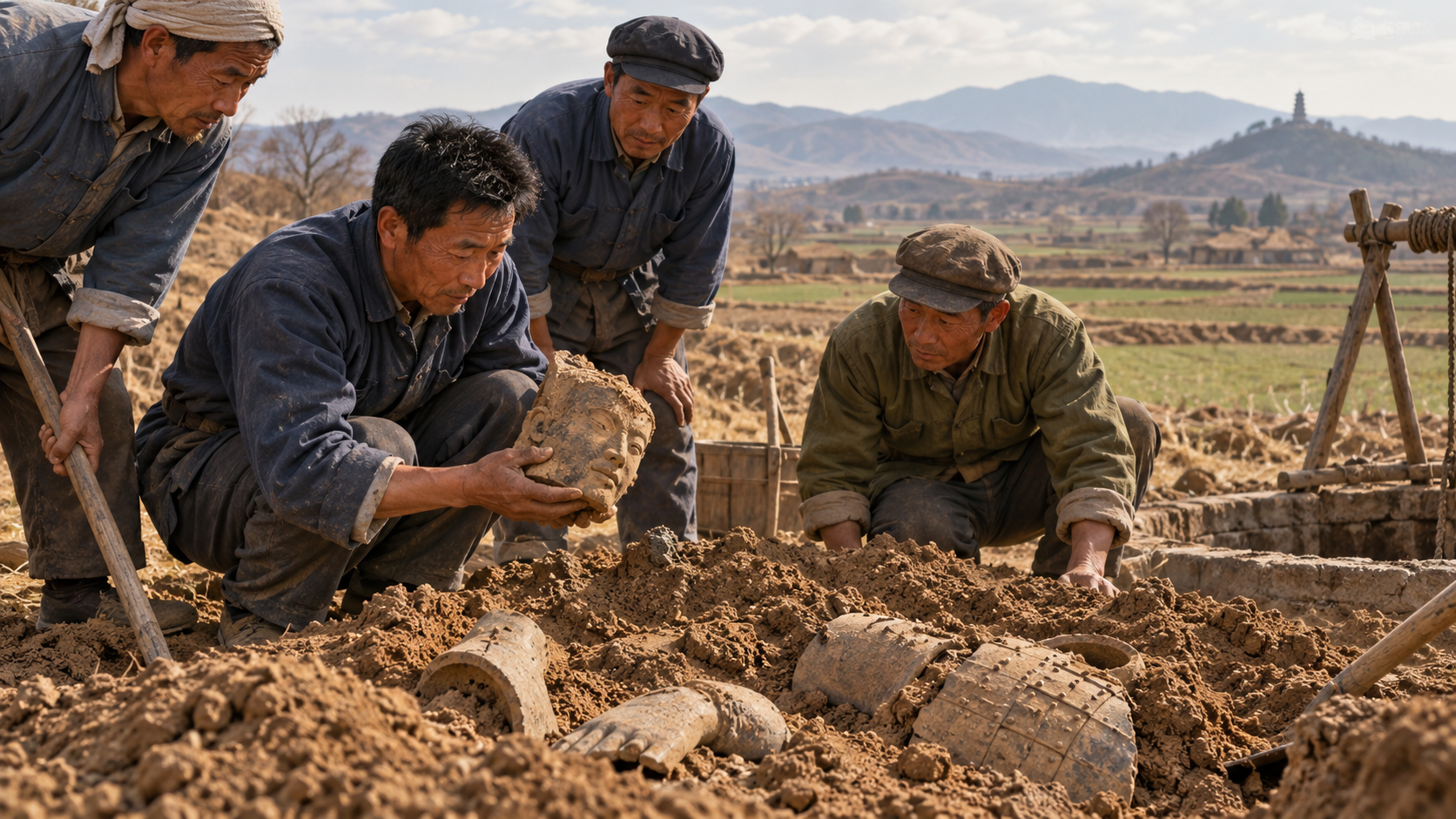
On March 29, 1974, Farmers digging a well near Xi’an in Shaanxi province encountered terracotta fragments that led archaeologists to the vast buried army associated with Qin Shi Huang, the first emperor of a unified China. The chance discovery opened one entrance into a much larger funerary landscape created more than two millennia earlier. The date matters in lifestyle history because an ordinary search for water revealed an extraordinary material record of empire. Rather than remaining an isolated announcement or demonstration, the moment gave people a new way to think about visiting museums, studying craftsmanship, conserving fragile objects, and imagining ancient lives through physical evidence. Its importance became visible through familiar places, objects, and routines, where a broad historical change could be felt at human scale.
Archaeological work revealed pits containing thousands of life-size warriors, horses, chariots, and weapons arranged in military formation. The figures share standardized production methods yet display varied faces, hair, armor, posture, and rank, demonstrating large-scale organization and extraordinary craftsmanship. The setting shaped how contemporaries understood the event. farmers, archaeologists, conservators, museum workers, local residents, craftspeople of the Qin era, scholars, and tourists encountered it through excavation pits, conservation laboratories, museums, documentaries, exhibitions, guidebooks, schools, and heritage tourism. Those details show that social change usually travels through ordinary systems such as workplaces, schools, shops, homes, streets, or public institutions. What seems inevitable in hindsight depended on people testing, organizing, purchasing, teaching, maintaining, or protecting the idea in real time.
The discovery transformed the village landscape into a major research and heritage site. Excavation, conservation, tourism, museum design, local employment, and international exhibitions brought ancient material culture into the routines of modern visitors and specialists. In daily life, visitors learned to see archaeological discovery as slow investigation and preservation rather than treasure hunting alone. The episode also exposed questions about excavation versus conservation, tourism pressure, local benefit, imperial violence, labor history, and ownership of cultural heritage. Access and influence were never perfectly even, and later generations adapted the original development to different communities, values, and technologies. Still, the event changed expectations by making a richer, material understanding of early imperial China easier to imagine, recognize, or demand.
Much remains unexcavated, and painted surfaces can deteriorate rapidly after exposure, so conservation often requires restraint. The army continues to shape understanding of the Qin state while raising questions about labor, imperial power, archaeological ethics, and sustainable tourism. Today, echoes remain in the Qin mausoleum museum, conservation science, archaeological research, global exhibitions, education, and carefully managed visitation. Looking back helps separate the documented milestone from the myths that often accumulate around famous anniversaries. It also reminds us that lifestyle history is built from choices about design, health, work, leisure, communication, memory, and public space. On this day, the 1974 discovery joined village work, ancient craftsmanship, and modern stewardship in one continuing story.
Farmers digging a well near Xi’an in Shaanxi province encountered terracotta fragments that led archaeologists to the vast buried army associated with Qin Shi Huang, the first emperor of a unified China. The chance discovery opened one entrance into a much larger funerary landscape created more than two millennia earlier.
Archaeological work revealed pits containing thousands of life-size warriors, horses, chariots, and weapons arranged in military formation. The figures share standardized production methods yet display varied faces, hair, armor, posture, and rank, demonstrating large-scale organization and extraordinary craftsmanship.
The discovery transformed the village landscape into a major research and heritage site. Excavation, conservation, tourism, museum design, local employment, and international exhibitions brought ancient material culture into the routines of modern visitors and specialists.
The larger theme was that an ordinary search for water revealed an extraordinary material record of empire.
Much remains unexcavated, and painted surfaces can deteriorate rapidly after exposure, so conservation often requires restraint. The army continues to shape understanding of the Qin state while raising questions about labor, imperial power, archaeological ethics, and sustainable tourism.
Today the story remains visible in the Qin mausoleum museum, conservation science, archaeological research, global exhibitions, education, and carefully managed visitation.
Explore more of “This Day in Lifestyles”
Discover more moments in everyday life, design, education, travel, food, fashion, and culture. Each story connects a calendar date with an event that changed how people lived.