

On This Day in Business: April 26, 1973
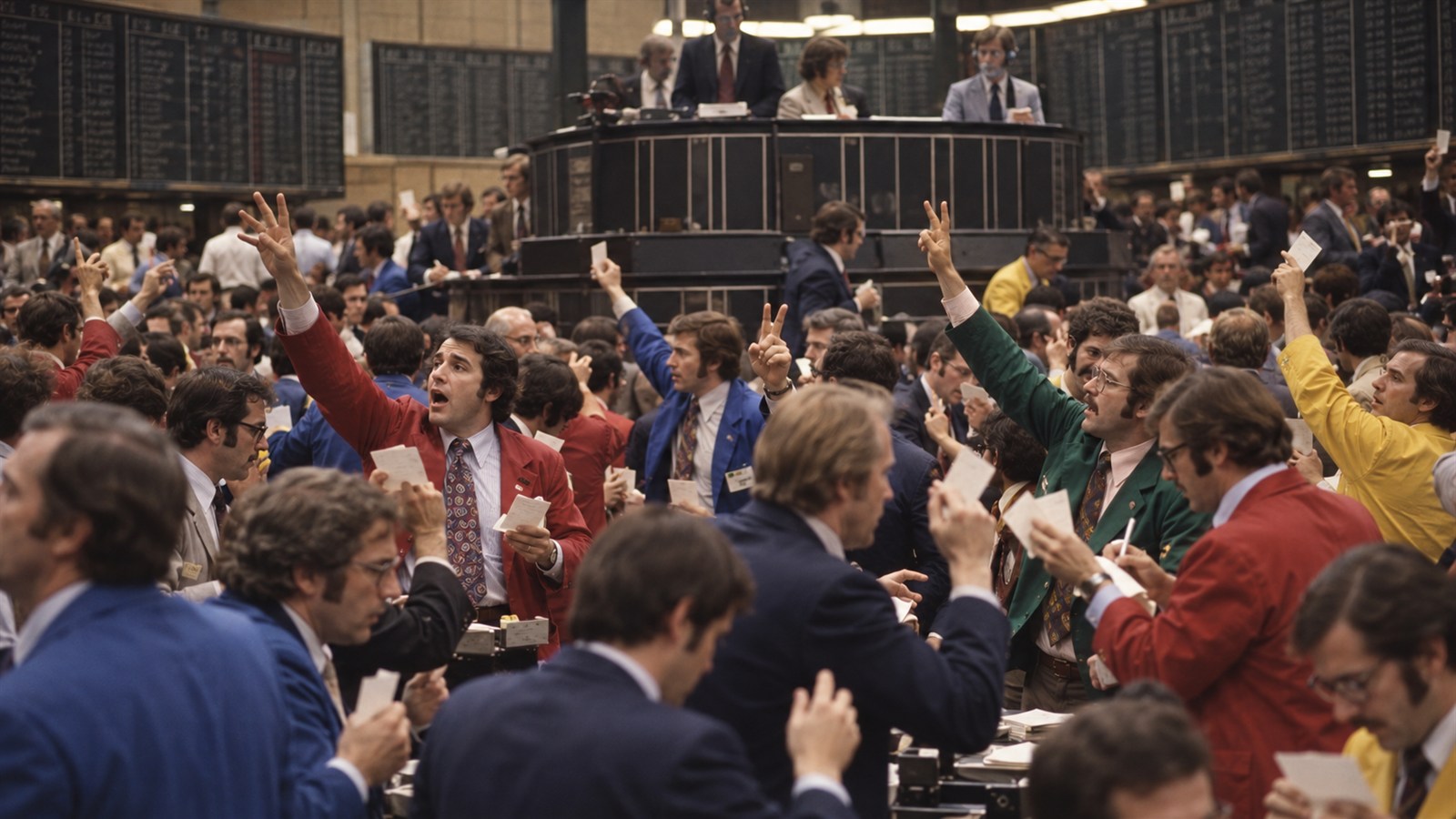
On April 26, 1973, the Chicago Board Options Exchange opened for trading. Options contracts had existed before, but terms were negotiated privately and secondary trading could be difficult. CBOE listed standardized call options on sixteen stocks, defining contract size, expiration terms, and exercise procedures. A clearing organization stood between buyers and sellers, reducing concern that an unknown counterparty might fail to perform. Trading took place on a physical floor with open outcry. The exchange transformed customized agreements into instruments that could be compared, priced, and transferred within a regulated market.
Standardization addressed several barriers at once. Investors could see quoted prices, brokers could route orders to a common venue, and clearing allowed positions to be offset before expiration. Contract rules reduced the need to negotiate every detail. The exchange still had to earn confidence from regulators, member firms, and customers who associated options with speculation. Education became essential because an option's value depends on the underlying stock, strike price, time remaining, volatility, interest rates, and contract rights. A transparent market did not remove risk, but it made the risk easier to describe and manage.
The market expanded rapidly. Put options were added later, more stocks became eligible, and specialized indexes and electronic systems broadened participation. Listed options supported hedging, income strategies, price discovery, and speculation for institutions and individuals. They also created new operational obligations involving margin, settlement, market making, surveillance, and customer suitability. During periods of stress, leveraged positions and liquidity demands could amplify losses. Exchanges and regulators continually adjusted safeguards as products and trading technology grew more complex.
CBOE's opening shows how market design can unlock demand for an existing financial idea. The innovation was not the right to buy a stock at a set price; it was the infrastructure that made many such rights uniform, liquid, and credible. Clearing, disclosure, and rules became part of the product. Similar structures later supported futures, exchange-traded funds, and other instruments. April 26 marks the beginning of an organized options industry whose usefulness depends on balancing flexibility with disciplined risk controls, and whose scale would have been impossible if every participant still needed to negotiate and trust each counterparty separately. Market makers became critical service providers. By posting bids and offers, they helped customers trade without waiting for a perfectly matched opposite order. Their capital and risk models supported liquidity but could be strained by sudden volatility. Exchange design therefore had to reward quoting while preventing manipulation and disorder. The visible trade was only the surface of a business that depended on clearing guarantees, surveillance, technology, and firms prepared to warehouse risk between buyers and sellers.
Over-the-counter options existed, but customized terms and counterparty uncertainty made trading and resale difficult for many investors.
CBOE standardized contract size, expirations, strikes, exercise procedures, quotation, and clearing around a common exchange venue.
Trading began on April 26, 1973, with call options on sixteen stocks and members shouting orders on a physical floor.
The exchange had to establish credibility, teach customers, supervise brokers, and manage the leverage and complexity built into options.
Puts, indexes, electronic trading, and new strategies later expanded listed options into a major global risk-transfer market.
The opening demonstrates how standard contracts and trusted clearing can convert a private agreement into a scalable financial product.
Explore more of "On This Day ..."
Discover more events from the same date across news, politics, technology, sports, and other fields. Each link highlights significant moments that shaped history on different fronts.