

On This Day in Politics: March 1, 1961
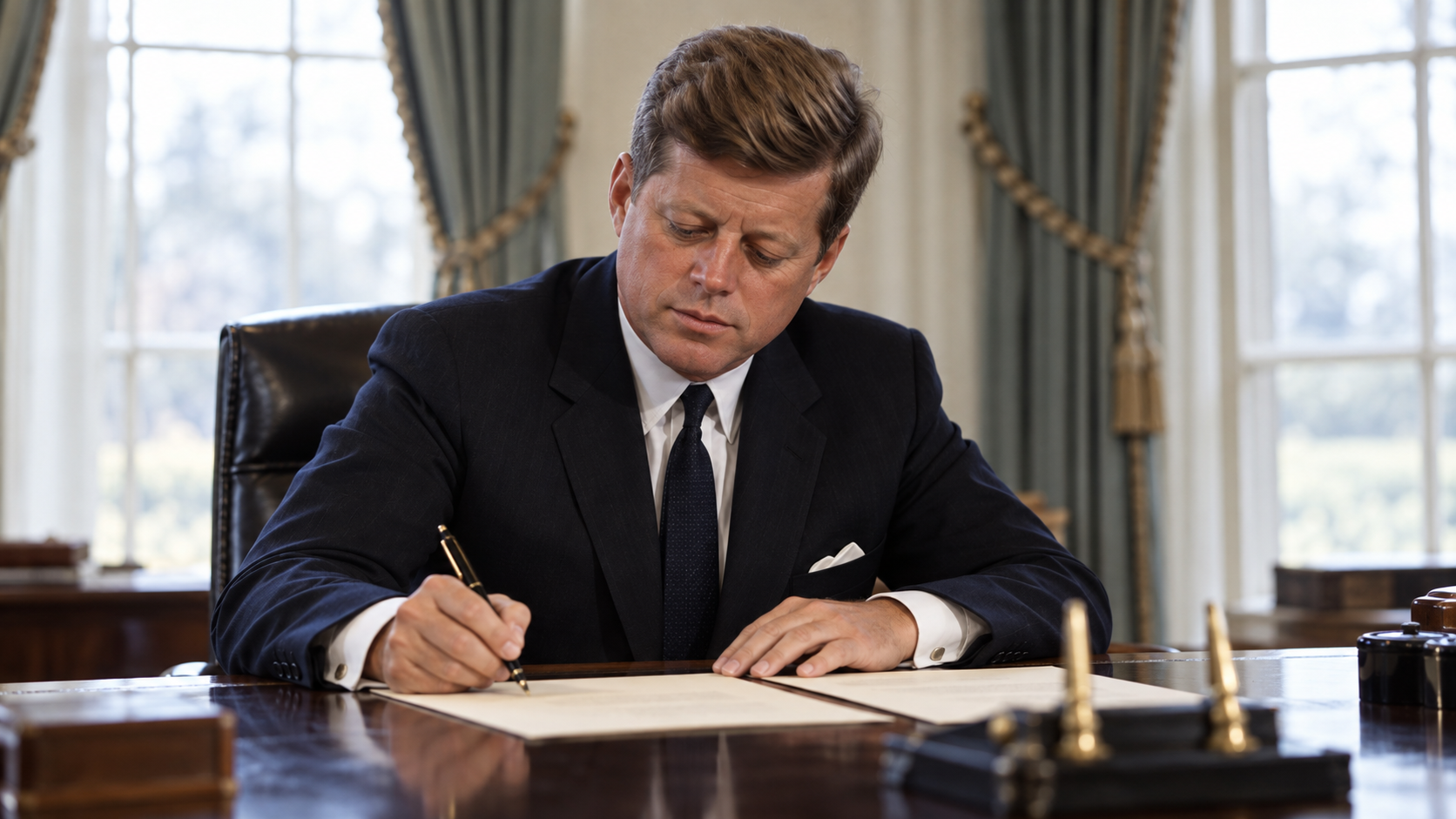
On March 1, 1961, President John F. Kennedy signed Executive Order 10924 at the White House in Washington, establishing the Peace Corps within the Department of State. The order authorized a new agency to train Americans for service abroad and support economic assistance in other countries. It turned an ambitious campaign proposal into an operating federal initiative, while leaving Congress to decide its permanent legal foundation. Kennedy also sent lawmakers a message asking them to authorize a lasting program. The distinction mattered: the anniversary marks the launch by executive action, rather than the later passage of the Peace Corps Act.
The proposal drew energy from a wider debate about America’s place in the world. During the 1960 presidential campaign, Kennedy challenged students at the University of Michigan to consider working overseas, and their response helped demonstrate public interest. Congressional proposals from Henry Reuss and Hubert Humphrey had already explored similar ideas. Against the background of the Cold War, Kennedy wanted practical civilian service to strengthen relationships with developing nations. Teaching, agricultural work, and other forms of assistance offered a different kind of international contact from a military deployment or a diplomatic negotiation. The volunteers would work with communities, making everyday cooperation part of American foreign policy.
The March order gave that idea an administrative structure. It placed the agency under a director and assigned responsibility for training and overseas service, including work connected with existing American and international assistance programs. Initial financing came through authority available under the Mutual Security Act of 1954. This allowed preparations to begin without waiting for a separate permanent statute. Sargent Shriver, who had studied the proposal for Kennedy, became the central organizer of the new institution. Recruiting willing people was only one part of the task: staff also had to develop training, identify useful assignments, and build arrangements with countries prepared to receive volunteers.
Later in 1961, volunteers began serving abroad, and legislation signed in September supplied a permanent congressional foundation. The program’s aims extended beyond providing trained workers. It also sought to improve understanding of Americans overseas and deepen Americans’ understanding of other societies. Those goals made the relationship between service and learning central to its identity, even as the agency remained a product of a particular political moment. An executive order could create an office and release funds, but it could not guarantee trust, useful work, or lasting results in every community. March 1 therefore marks both an institutional beginning and a practical challenge: translating a national appeal for service into sustained cooperation shaped by the needs of people abroad.
The Peace Corps idea had congressional advocates before Kennedy took office. His campaign helped give it a wider public audience.
The University of Michigan appeal in October 1960 connected foreign policy with a personal question about Americans' willingness to serve overseas.
Executive Order 10924 established an agency inside the State Department and supplied an initial route to funding through existing law.
The March action began a pilot program. Permanent authorization still required Congress, which acted later in 1961.
The program combined practical assistance with two-way cultural understanding. Volunteers were expected to learn as well as contribute.
Its founding illustrates how presidential initiative and congressional legislation can play different roles in building a lasting federal institution.
Explore more of "On This Day ..."
Discover more events from the same date across news, politics, technology, sports, and other fields. Each link highlights significant moments that shaped history on different fronts.