

On This Day in Politics: October 20, 1947
On October 20, 1947, the House Committee on Un-American Activities opened public hearings in Washington into alleged communist influence in the motion-picture industry. Chairman J. Parnell Thomas presided as the committee began taking testimony from investigators and prominent figures connected with Hollywood. The opening brought a dispute over politics, cultural influence and congressional power into a highly visible national forum. It did not establish that everyone working in film shared one political outlook, nor did the committee's allegations amount to criminal verdicts. The hearings created a setting in which questions about political association could carry serious public and professional consequences.
The investigation unfolded as relations between the United States and the Soviet Union deteriorated after the Second World War. Film's large audience made Hollywood an attractive target for politicians who believed entertainment could carry political messages. The committee presented its inquiry as a defense against subversion, while opponents questioned the damage such investigations could inflict on freedom of belief and expression. These competing positions gave the proceedings significance beyond the content of individual films. They raised the question of how far a legislative investigation should reach into the political affiliations of people whose work depended on public reputation and access to private employers.
The first day's witnesses included studio executives Jack Warner and Louis B. Mayer and writer Ayn Rand. Other well-known witnesses appeared on later days, and the confrontation with the group remembered as the Hollywood Ten developed during the subsequent sessions. Those appearances should not all be compressed into October 20. The published hearing record allows the sequence to be followed day by day. It also distinguishes what a witness said from what the committee alleged or concluded. Newsreel cameras, press photographs and radio carried the proceedings to audiences beyond the room, helping turn the investigation into a national spectacle and intensifying the reputational pressure on witnesses.
The hearings contributed to a wider system of exclusion in which accusations, refusals to cooperate and studio decisions could remove people from credited employment. Contempt proceedings and the formal industry blacklist followed later, rather than being completed at the opening session. The committee's power to investigate and employers' power to hire operated through different institutions, but their effects could reinforce each other. October 20 marks the start of this particular public inquiry. Its lasting political importance lies in the relationship between governmental scrutiny and private professional punishment, and in the difficulty of protecting individual freedoms when political suspicion itself becomes a basis for judging a person's place in public life.
The hearings began in Washington under a House committee. They were a legislative investigation, rather than a criminal trial of the film industry.
The committee focused on film because of its broad public reach. Claims about communist influence reflected the political conflict of the early Cold War.
Warner, Mayer and Rand testified on the first day. Other famous appearances and the Hollywood Ten confrontations occurred during later sessions.
The printed record separates witnesses, dates and allegations. A statement in testimony should not automatically be treated as an established finding.
Later contempt proceedings and studio blacklisting had their own decisions and dates. The opening session began a process rather than completing every consequence at once.
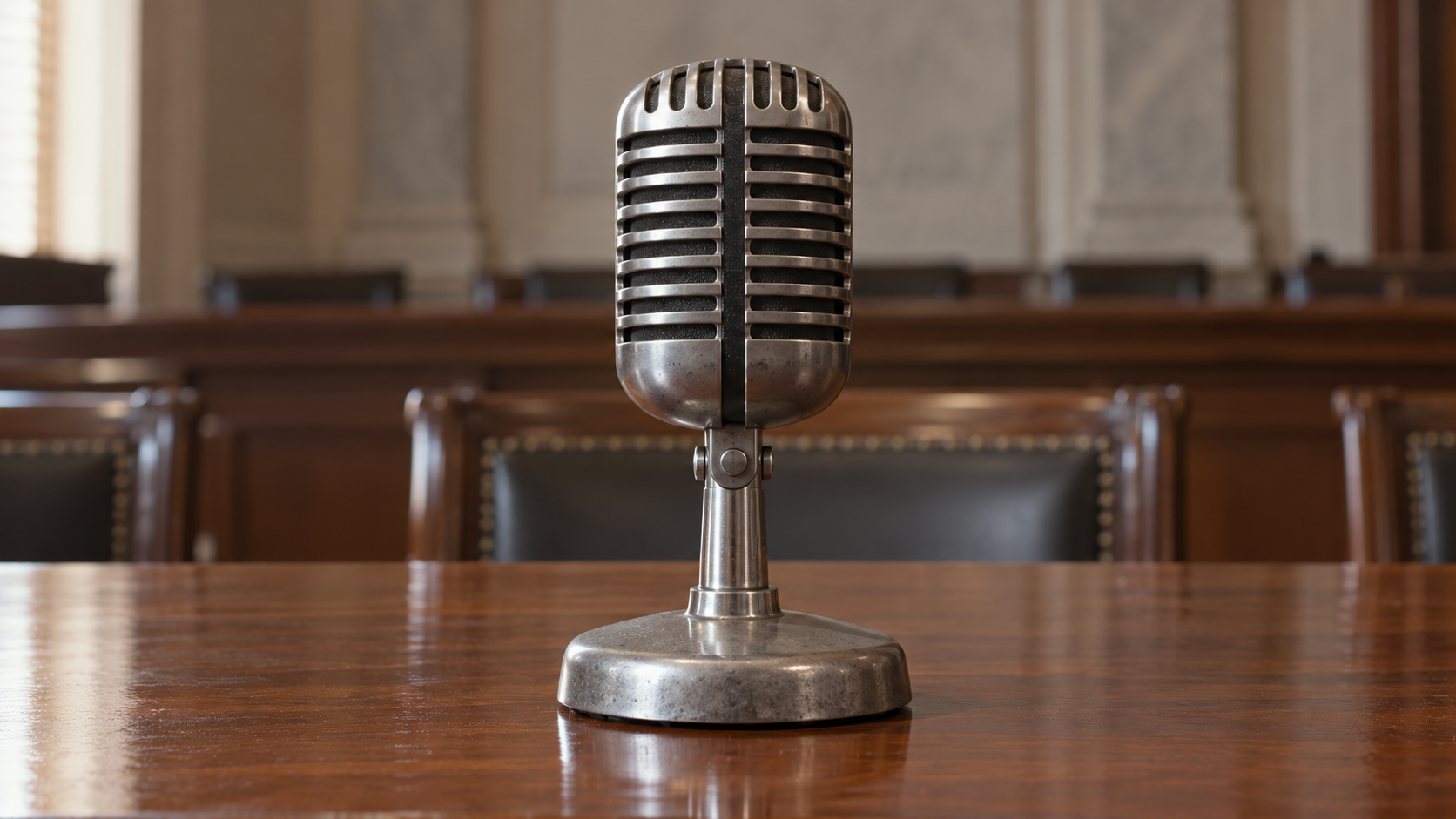
The microphone is a researched period object illustration. It identifies neither an exact committee instrument nor a particular witness's October 20 appearance.
Explore more of "On This Day ..."
Discover more events from the same date across news, politics, technology, sports, and other fields. Each link highlights significant moments that shaped history on different fronts.