

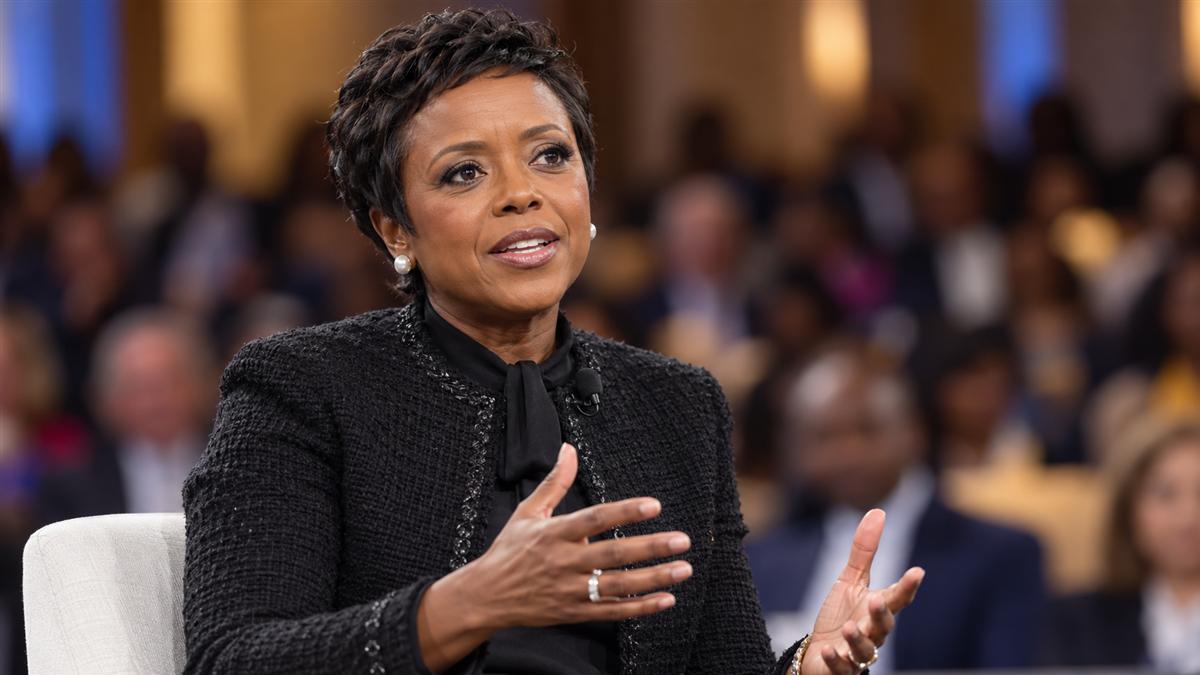
“Color blindness is very dangerous because it means we’re ignoring the problem.”
Mellody Hobson made this argument in her 2014 TED talk “Color blind or color brave?” She challenged the well-intended claim that fairness requires people not to see race. If unequal treatment and unequal outcomes exist, refusing to notice race removes the language and evidence needed to address them. Hobson asked audiences to become comfortable with an uncomfortable conversation. Her point reaches business directly: organizations cannot improve hiring, development, customer access, or capital allocation while declaring one of the patterns shaping those systems irrelevant to observation.
Color-brave management begins with specific evidence. Companies can examine applicant flow, selection, pay, promotion, attrition, performance ratings, sponsorship, and access to revenue-generating assignments across racial groups. Numbers should lead to process questions, not stereotypes about individuals. Structured criteria, diverse slates, calibrated evaluation, and accountable review can reduce the influence of informal similarity. Leaders also need listening forums where employees can describe mechanisms that aggregate data cannot show, followed by visible action and protection from retaliation.
Measurement must respect privacy and avoid turning people into categories for display. Small groups can be identifiable, and crude comparisons may ignore role, location, or intersectional experience. Representation alone does not guarantee belonging, influence, or fair opportunity. Color bravery is not a demand that employees repeatedly recount harm for the organization’s education. Leaders own the work of learning, designing safeguards, and explaining decisions. The goal is neither silence nor performative disclosure, but careful evidence joined to institutional responsibility.
The principle is vital in algorithmic systems trained on historical decisions. Removing an explicit race field does not remove proxies in location, education, wealth, or language. Teams can test outcomes across groups, investigate causes, document data limits, and provide meaningful appeal. Procurement should require vendors to support independent evaluation rather than hide behind proprietary claims. Hobson’s sentence defines a central risk of automated neutrality: a system can avoid naming race while reproducing its effects. Fairness begins by seeing the pattern clearly enough to change it. A fair-outcomes review should include people empowered to pause deployment, not only advisers asked to comment. The team examines who benefits, who encounters errors, whose data built the system, and whether appeal changes the result. Findings receive owners, deadlines, and executive visibility. Publishing an appropriate summary makes the organization answerable for progress. Courageous conversation then moves beyond awareness and into the distribution of authority needed to redesign a consequential system. That real authority makes visible accountability possible.
Hobson delivered the line in her 2014 TED talk “Color blind or color brave?”
She argued that refusing to notice race makes persistent inequality harder to discuss, measure, and change.
Disaggregated evidence and structured decisions help organizations investigate systems rather than stereotype individuals.
Privacy, intersectionality, and protection from retaliation are essential; representation statistics alone are not inclusion.
Algorithms can reproduce racial patterns through proxy variables even when race is excluded explicitly.
Outcome testing, causal investigation, documentation, and appeal turn color bravery into responsible technical governance.
Explore more "Quotes of The Day"
Discover more notable quotes from influential voices across politics, science, business, technology, sports, and culture. Each quote offers insight into how ideas, beliefs, and decisions shape the world around us.