

On This Day in Business: June 5, 1920
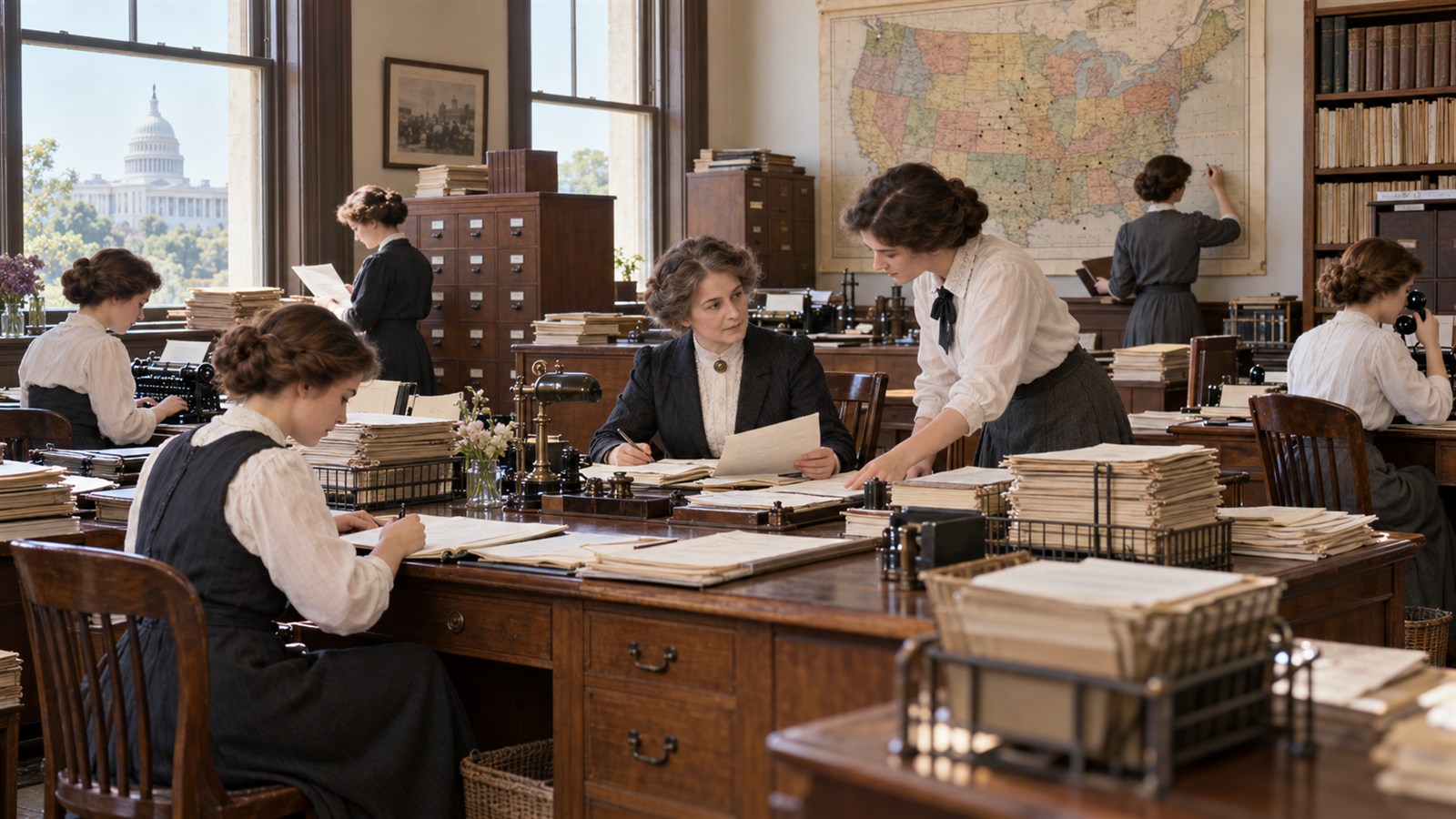
On June 5, 1920, the United States established the Women's Bureau as a permanent agency within the Department of Labor. The law directed it to develop standards and policies for the welfare of wage-earning women, improve working conditions, increase efficiency, and expand opportunities for profitable employment. The new bureau grew out of the wartime Woman-in-Industry Service, which had studied the rapid movement of women into industrial jobs during World War I. Mary Anderson, a former garment worker and labor organizer, became its first director. The agency entered public life two months before ratification of the Nineteenth Amendment gave women voting rights nationwide.
The bureau's immediate business tool was evidence. Many states and industries lacked dependable information about women's hours, wages, health risks, and occupations. Investigators conducted field studies and published findings that employers, unions, legislators, and reform groups could use. A permanent federal office meant that women's employment was not treated as a temporary wartime exception. It could compare practices across states, preserve institutional knowledge, and propose standards with national reach. Early staffing and budgets were modest, so the bureau relied on focused surveys, relationships with state agencies, and the authority that came from publishing systematic data.
Its work influenced debates over hours, minimum wages, industrial safety, equal pay, training, and access to occupations. The bureau sometimes operated within the assumptions of its era, including policies that framed women primarily as a special class of workers needing protection. Labor markets later changed, and the agency's emphasis increasingly included equality, advancement, family economics, and enforcement of broader workplace rights. Through those shifts, the recurring function remained consistent: identify where the experience of women was missing from general labor statistics and policy design. Reliable measurement made inequalities visible and allowed programs to be evaluated rather than defended only by anecdotes.
The creation of the Women's Bureau matters because information infrastructure shapes labor markets. Employers make decisions from wage surveys, safety records, and workforce forecasts; governments need comparable evidence before standards can be enforced. When an important group is absent from those records, risks and opportunities can remain economically invisible. The bureau institutionalized the collection and interpretation of data about working women and gave that analysis a route into policy. For modern organizations, the lesson is practical: inclusion is not achieved only through a statement of values. It also requires categories, measurements, reporting channels, and accountable staff capable of showing who benefits, who bears risk, and where advancement is blocked.
Congress made the Women's Bureau permanent after wartime research showed the need for sustained attention to women's employment.
The June 5, 1920 law charged the bureau with improving conditions, efficiency, welfare, and profitable work opportunities.
Mary Anderson brought experience as a garment worker and organizer to the agency's first long-term leadership.
Field investigations supplied missing data on wages, hours, health risks, occupations, and differences among states.
The bureau's focus evolved from protective standards toward wider questions of equality, advancement, and economic security.
Its enduring lesson is that fair workforce decisions require measurements and institutions that make overlooked experience visible.
Explore more of "On This Day ..."
Discover more events from the same date across news, politics, technology, sports, and other fields. Each link highlights significant moments that shaped history on different fronts.