

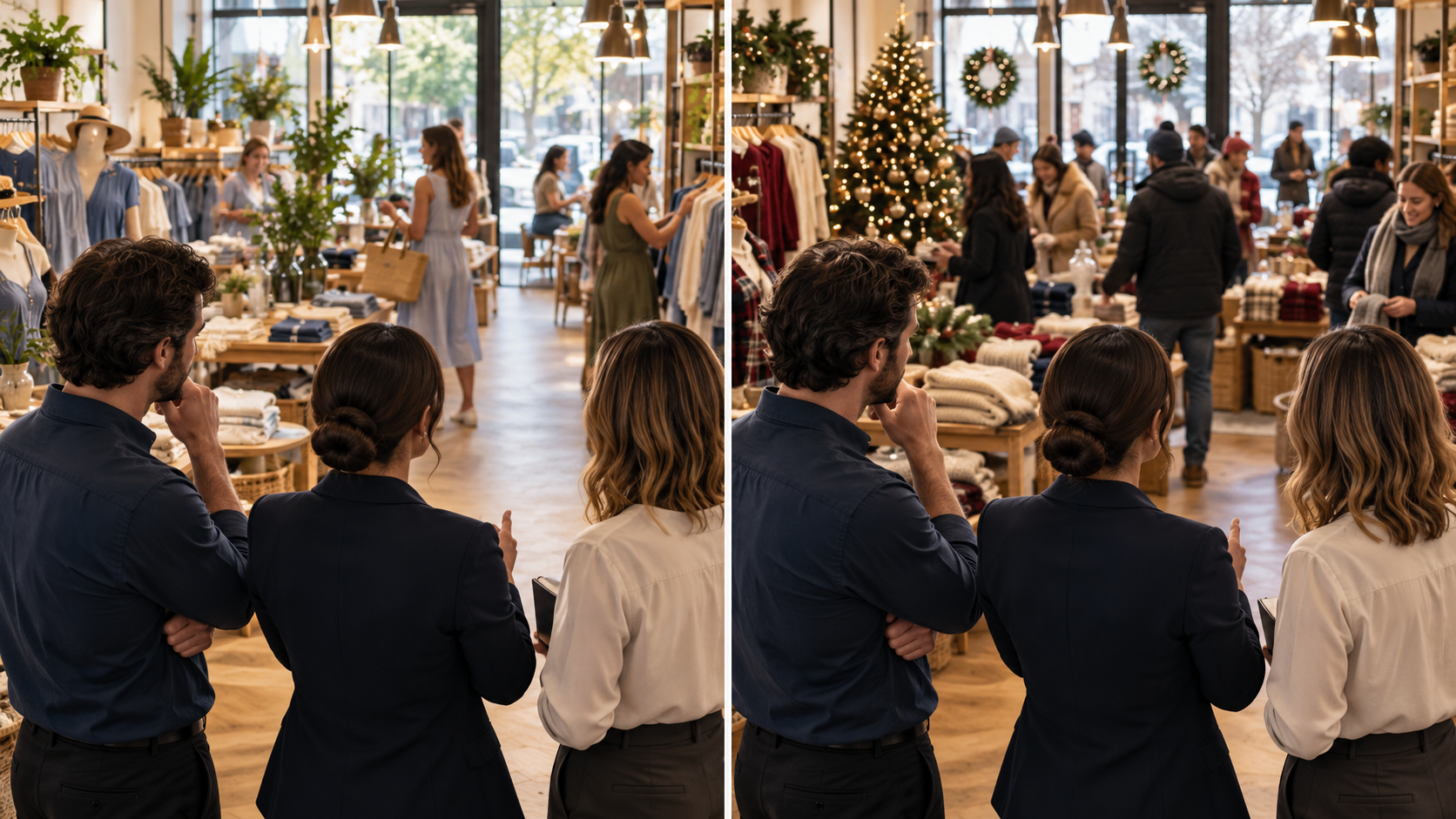
Same-Store Sales Explainer
Same-store sales measure the change in sales from locations included in both the current and comparison periods. Retailers and restaurants use the metric to show how an established store base is performing without letting newly opened or acquired locations dominate reported growth.
Growth can come from higher prices, more customer traffic, better conversion, larger transactions, product mix, added services, or digital orders assigned to stores. A decline can reflect weaker demand, lost share, temporary closures, cannibalization, weather, promotions, or calendar timing.
Definitions vary by company. A location may qualify after twelve or thirteen months, while rules for remodels, relocations, closures, franchises, currencies, and e-commerce differ. Comparable weeks and leap years also matter. Two retailers’ same-store figures may therefore not be directly comparable.
The metric excludes the contribution and startup cost of new locations, so it does not equal total revenue growth or profitability. Read it with unit counts, margins, transactions, customer traffic, online sales, and capital spending. Consistent disclosure across periods is as important as the headline rate.
Include locations operating under the company’s eligibility rule in both periods.
New openings are generally analyzed separately.
Traffic, conversion, transaction size, mix, and pricing can move the result.
Disaggregate the drivers before judging demand.
Treatment of remodels, closures, online orders, and calendar weeks varies.
Read the methodology before comparing retailers.
Explore more "Explainers"
Discover additional explainers across politics, science, business, technology, and other fields. Each explainer breaks down a complex idea into clear, everyday language—helping you better understand how major concepts, systems, and debates shape the world around us.