

On This Day in Politics: April 14, 1865
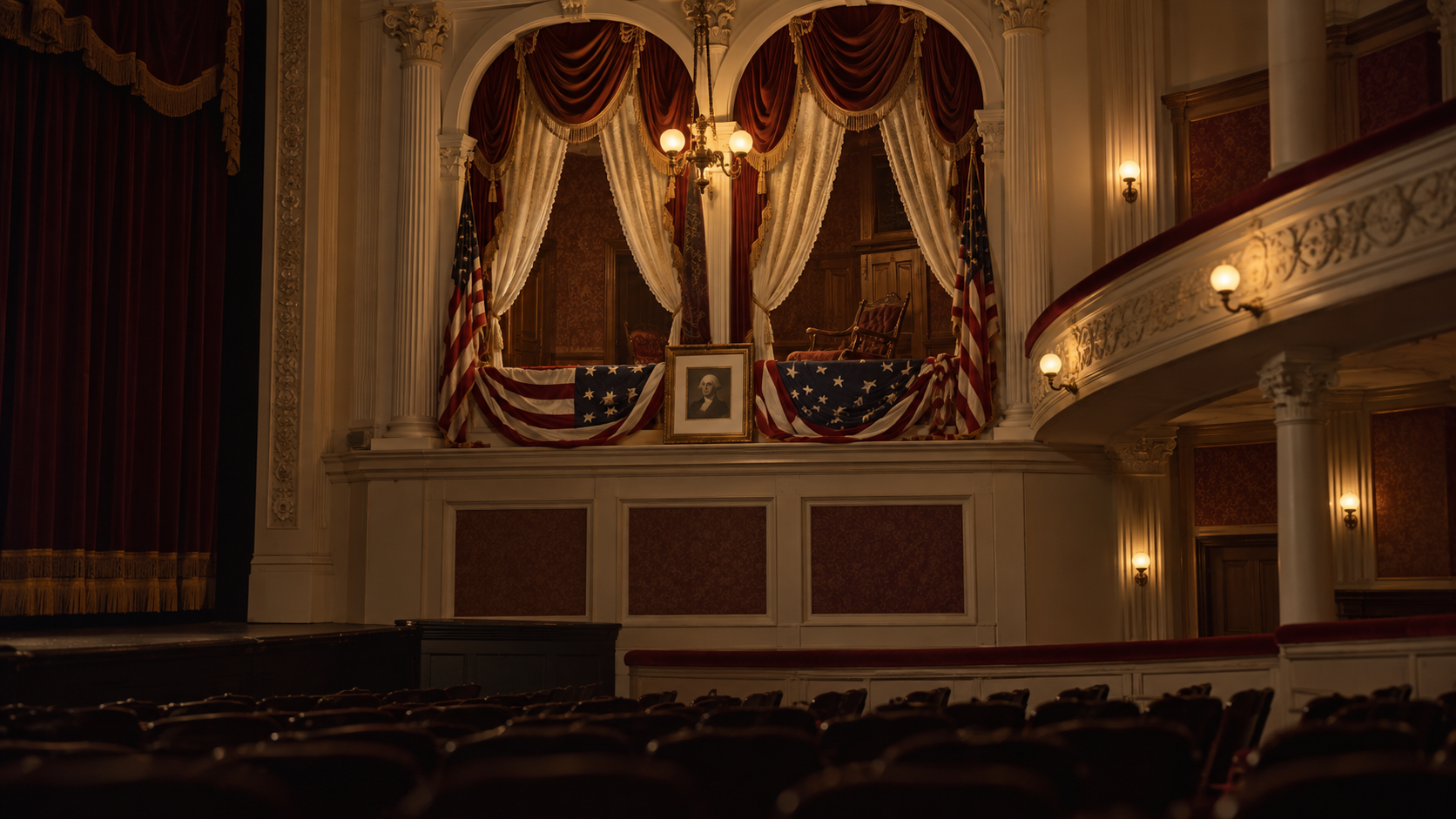
On April 14, 1865, John Wilkes Booth shot President Abraham Lincoln at Ford’s Theatre in Washington, D.C. Lincoln was attending a performance of Our American Cousin when Booth entered the presidential box shortly after ten that evening. The wounded president was carried across the street to the Petersen boarding house, where physicians attended him through the night. He died at 7:22 the following morning, April 15. That distinction between the shooting and the death matters when marking the anniversary. April 14 was the night an attack on the president abruptly changed the nation’s transition from civil war toward reunion and reconstruction.
The assassination came five days after Robert E. Lee surrendered the Army of Northern Virginia at Appomattox Court House. Booth believed his action could help the Southern cause, but Confederate defeat did not mean that the political work of rebuilding the country was complete. The attack also formed part of a wider conspiracy against federal leaders. That evening, Lewis Powell assaulted Secretary of State William H. Seward at his home while Seward was recovering from a carriage accident. Seward survived. The near-simultaneous attacks deepened the emergency in Washington and made the violence a threat to the government’s leadership rather than an isolated assault at a theater.
Contemporary personal records convey the shock before the full sequence of events was clear. Horatio Nelson Taft, a Patent Office examiner and family friend of the Lincolns, recorded his distress in a diary entry dated late on April 14. His younger sons had played with the Lincoln children, while his older son Charles was among the doctors who attended the wounded president. Taft’s response combined public alarm with personal grief. Later diary entries added information as he learned it. Such testimony helps readers understand how the crisis unfolded for people in the capital, while also reminding historians to distinguish immediate impressions from details established afterward.
Federal authorities pursued Booth and his associates, and troops found Booth in Virginia on April 26, when he was shot and died. The investigation and subsequent trials accompanied an extraordinary period of national mourning. Lincoln’s death left unresolved the course he might have taken during Reconstruction; claims that he certainly would have produced a particular settlement remain speculation. What can be stated directly is that the first assassination of an American president removed the leader who had guided the Union through most of the war at a critical moment. April 14 remains a turning point in the history of presidential security, political violence, and the struggle to reunite the country.
The shooting occurred at Ford’s Theatre on April 14, 1865.
Lincoln died the next morning at the Petersen House.
Booth attacked five days after Lee’s Appomattox surrender.
A related attack wounded Secretary of State William Seward.
Horatio Nelson Taft’s diary records the immediate shock.
Lincoln’s intended future course in Reconstruction remains uncertain.
Explore more of "On This Day ..."
Discover more events from the same date across news, politics, technology, sports, and other fields. Each link highlights significant moments that shaped history on different fronts.