

On This Day in Politics: April 26, 1986
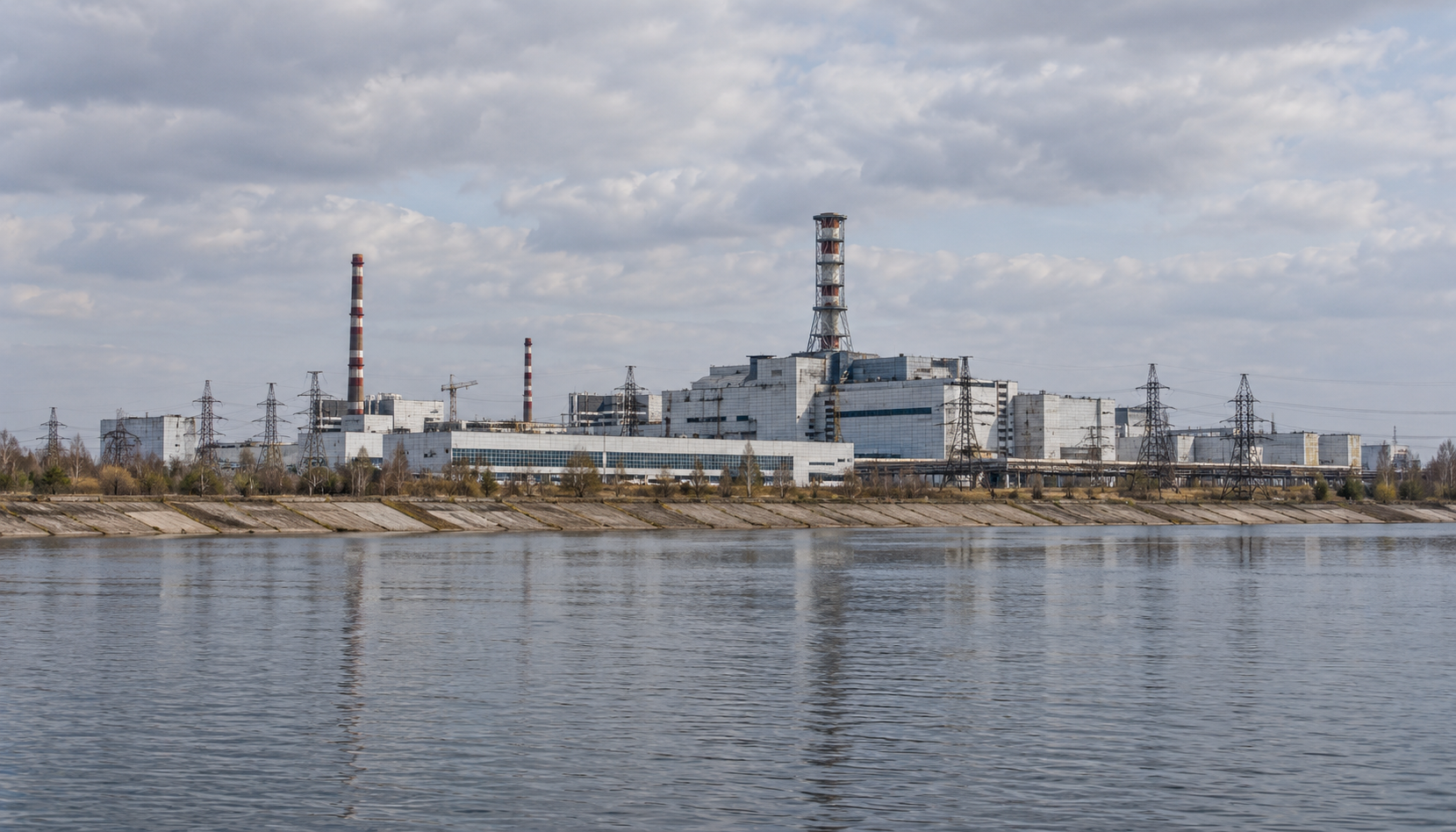
On April 26, 1986, an explosion and fire destroyed reactor number four at the Chernobyl nuclear power station in Soviet Ukraine. The accident occurred during a test and released radioactive material into the atmosphere. It became an emergency for nearby communities and, as contamination spread, an international crisis. For political leaders, the disaster presented questions that engineering alone could not answer: what information should reach the public, how quickly governments should warn their neighbors, and who should be held responsible. The events of that morning began a prolonged test of state authority, public confidence, and the ability of national institutions to cooperate across borders.
The initial Soviet response was shaped by incomplete information and a system accustomed to secrecy. Records later published by the National Security Archive show that early reports to senior officials understated the reactor’s condition. Officials reassessed the emergency, and the nearby city of Pripyat was evacuated the following day. Internal discussions reveal a government mobilizing resources while struggling with the scale of the accident and the information reaching its own leadership. Those records are important because they distinguish what officials said at particular moments from what subsequently became known. The disaster’s political history includes failures of communication within the state as well as restrictions on information outside it.
Moscow issued a brief public announcement on April 28, after radiation had been detected abroad. A contemporary American intelligence assessment, preserved in the State Department’s historical records, described Scandinavian anger over the lack of timely notification and treated media coverage as a test of Mikhail Gorbachev’s policy of greater openness. That report also contained provisional technical judgments, illustrating how uncertainty affected foreign observers. The diplomatic issue was clearer: a government’s handling of an industrial emergency could impose consequences on people beyond its territory. Requests for information and offers of assistance therefore became matters of foreign policy, while the Soviet response attracted scrutiny far beyond the damaged plant.
One institutional consequence was the development of stronger international emergency arrangements. In September 1986, states adopted the Convention on Early Notification of a Nuclear Accident, alongside a convention concerning assistance. The notification agreement required participating states to provide information about qualifying accidents with possible cross-border radiological consequences, including their time, location, and nature. It entered into force on October 27, 1986. These measures did not erase the disaster or eliminate nuclear risk. They established clearer expectations for sharing information when national emergencies threaten other countries. April 26 consequently marks both a catastrophic industrial failure and a turning point in debates over official accountability, emergency disclosure, and international cooperation.
Reactor number four at Chernobyl exploded and burned on April 26, 1986.
The power station was in Soviet Ukraine, near the city of Pripyat.
Early internal reports understated the damage; Pripyat was evacuated the next day.
Moscow announced the accident publicly on April 28.
The crisis exposed the international consequences of delayed emergency information.
A new nuclear accident notification convention entered into force in October 1986.
Explore more of "On This Day ..."
Discover more events from the same date across news, politics, technology, sports, and other fields. Each link highlights significant moments that shaped history on different fronts.