

On This Day in Politics: April 29, 1997
On April 29, 1997, the Chemical Weapons Convention entered into force, establishing an international system to prohibit and eliminate chemical weapons. The agreement combined binding commitments with an organization responsible for helping verify compliance: the Organisation for the Prohibition of Chemical Weapons, or OPCW. Its start followed years of negotiation and preparation. The treaty had opened for signature in Paris in January 1993; entry into force came after Hungary deposited the sixty-fifth ratification in October 1996, starting the required countdown. April 29 therefore marked the beginning of the convention’s operation, when a negotiated text became the basis of an active disarmament system.
The convention’s first article set out obligations extending well beyond a promise not to use chemical weapons. States parties undertook not to develop, produce, acquire, retain, stockpile, or transfer them, and not to assist prohibited activities. They also committed themselves to destroying chemical weapons and production facilities covered by the agreement. Riot control agents could not be used as a method of warfare. This breadth mattered politically because a ban on battlefield use alone would leave questions about arsenals, manufacturing capacity, and future preparations unresolved. The convention addressed the existence of the weapons as well as their employment, making destruction part of the international obligation.
Verification gave the agreement an institutional structure. Governments submitted declarations, and international inspectors checked relevant facilities against the convention’s requirements. The OPCW’s technical work supported a system in which national assurances could be examined through agreed procedures. At the same time, the treaty had to accommodate chemistry’s extensive peaceful uses. Chemicals and equipment can serve legitimate industrial purposes while also raising concerns about prohibited activities. Declarations and inspections were therefore designed to distinguish permitted work from chemical weapons programs, rather than ban ordinary chemical production. The effectiveness of that approach depended on cooperation between national authorities and the international organization, together with the practical capacity to carry out inspections.
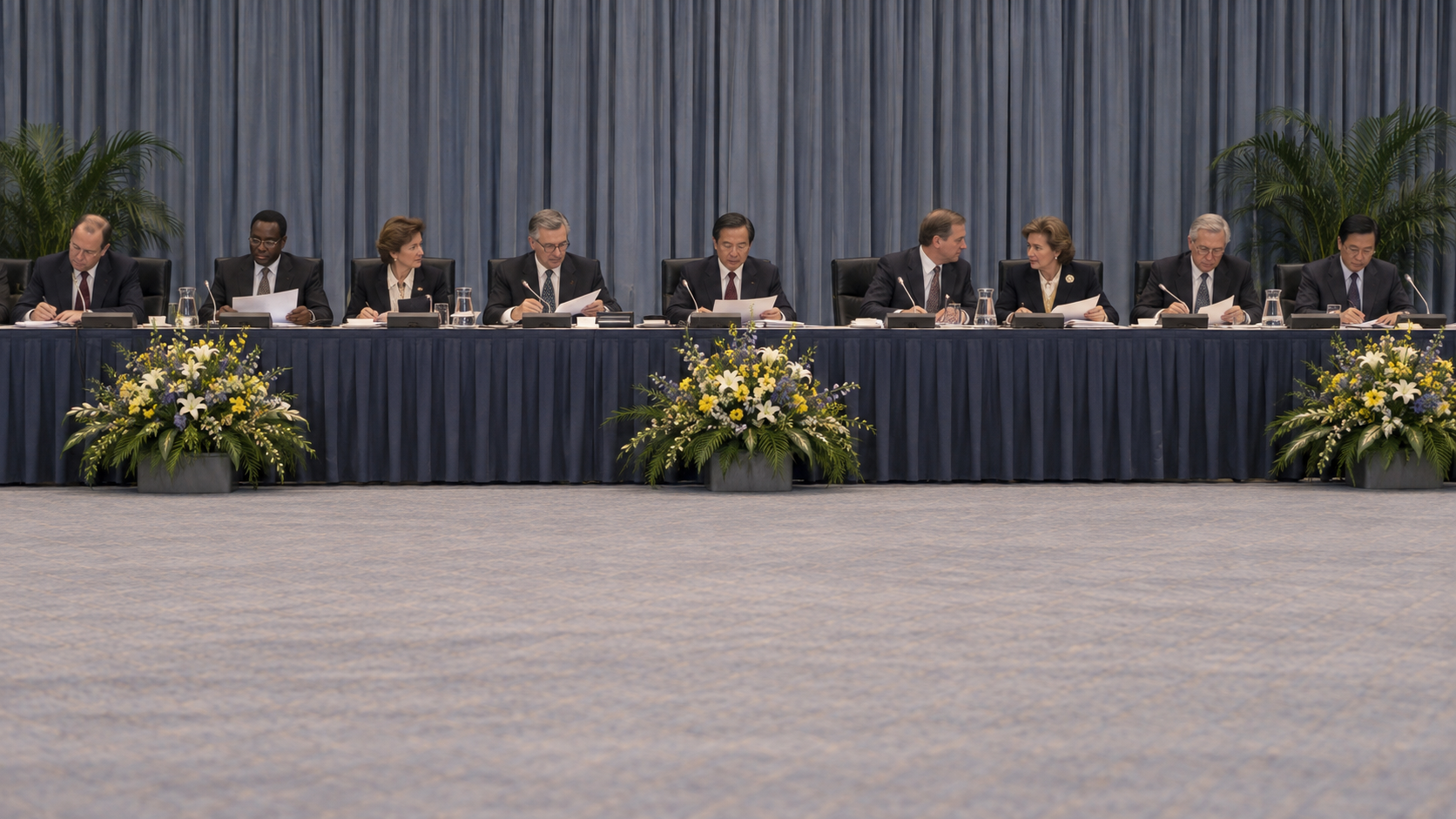
The first Conference of the States Parties began on May 6, 1997, a week after the convention took effect, as the new organization began implementing its responsibilities. Entry into force did not mean that every stockpile had already disappeared or that compliance could be assumed. Destruction, verification, and prevention required continuing action after the opening date. The significance of April 29 lies in the creation of a standing framework for that work. It joined a broad prohibition to international oversight and national duties, turning chemical disarmament into an ongoing governmental responsibility. The date marks an important attempt to make a weapons ban measurable through declarations, inspections, and the verified elimination of existing arsenals.
The Chemical Weapons Convention entered into force on April 29, 1997.
The treaty opened for signature in Paris in January 1993.
Its obligations cover development, production, possession, transfer, and use.
States parties must destroy chemical weapons covered by the convention.
The OPCW implements international verification through declarations and inspections.
Entry into force began a continuing process of destruction and prevention.
Explore more of "On This Day ..."
Discover more events from the same date across news, politics, technology, sports, and other fields. Each link highlights significant moments that shaped history on different fronts.