

Optical Character Recognition Explainer
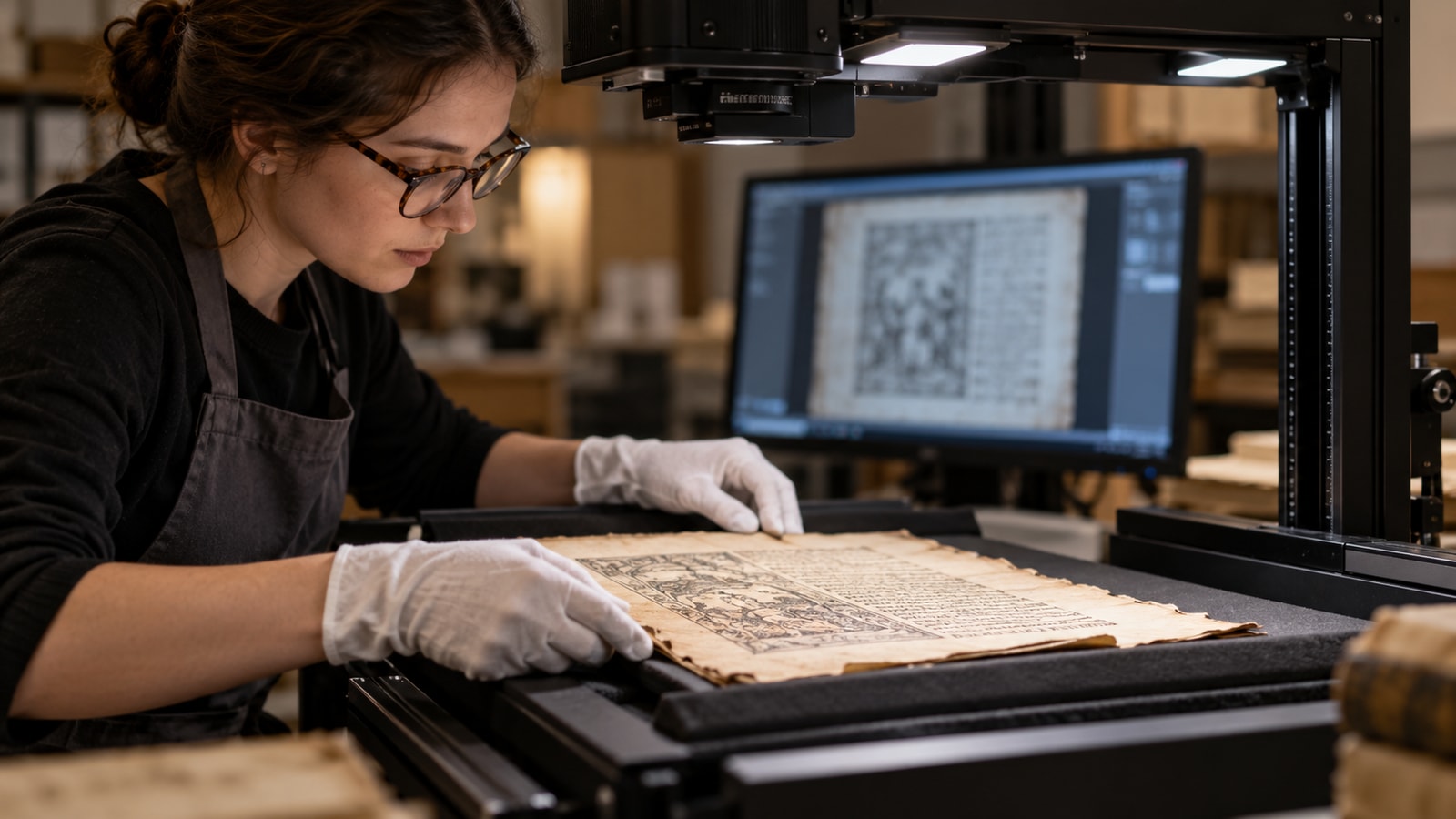
Optical character recognition, or OCR, converts images containing writing into encoded text that software can search, edit, or analyze. Inputs may come from scanned pages, photographs, signs, receipts, forms, or historical documents.
A pipeline may correct rotation and lighting, identify text regions, recognize characters or whole sequences, and use language context to resolve uncertain predictions. Modern systems often combine visual encoders with sequence models or transformers.
OCR enables document digitization, accessibility tools, automated data entry, translation, archive search, and processing of invoices or identity documents. Layout analysis can also recover tables, reading order, and relationships between page elements.
Blur, decorative fonts, handwriting, damaged pages, complex layouts, and underrepresented scripts can increase errors. Language models may produce plausible but incorrect words. Sensitive-document workflows need human review, confidence scores, privacy controls, and preservation of the original image.
Optical character recognition converts images of printed or handwritten characters into machine-readable text.
Key terms include OCR, text region, character recognition, sequence model, layout analysis, reading order, confidence score and transcription.
The system first locates writing and then converts its visual patterns into character sequences.
Language and layout context can improve recognition but may also hide visual uncertainty.
A fluent transcription is not proof that every name, number, or symbol was read correctly.
High-impact documents need confidence indicators and comparison with the source image.
Explore more "Explainers"
Discover additional explainers across politics, science, business, technology, and other fields. Each explainer breaks down a complex idea into clear, everyday language—helping you better understand how major concepts, systems, and debates shape the world around us.