

Time, Place, and Manner Restrictions Explainer
Time, place, and manner restrictions regulate practical conditions surrounding expression rather than simply deciding which opinions may be expressed. In U.S. First Amendment law, the concept helps explain how governments can manage public spaces while respecting speech rights. Rules might address event scheduling, sound levels, or the physical use of a location. Their validity depends on the setting and the actual restriction. Calling a rule logistical does not automatically make it constitutional, especially if it is designed or applied to suppress a message.
For protected speech in public forums, the familiar framework asks whether the restriction is content neutral, narrowly tailored to serve a significant government interest, and leaves ample alternative channels of communication. Neutrality concerns whether the regulation is justified without reference to the message. Tailoring examines the connection between the burden on expression and the public interest. Alternative channels concern whether people retain meaningful ways to communicate. These requirements work together; satisfying one does not excuse failure to satisfy the others.
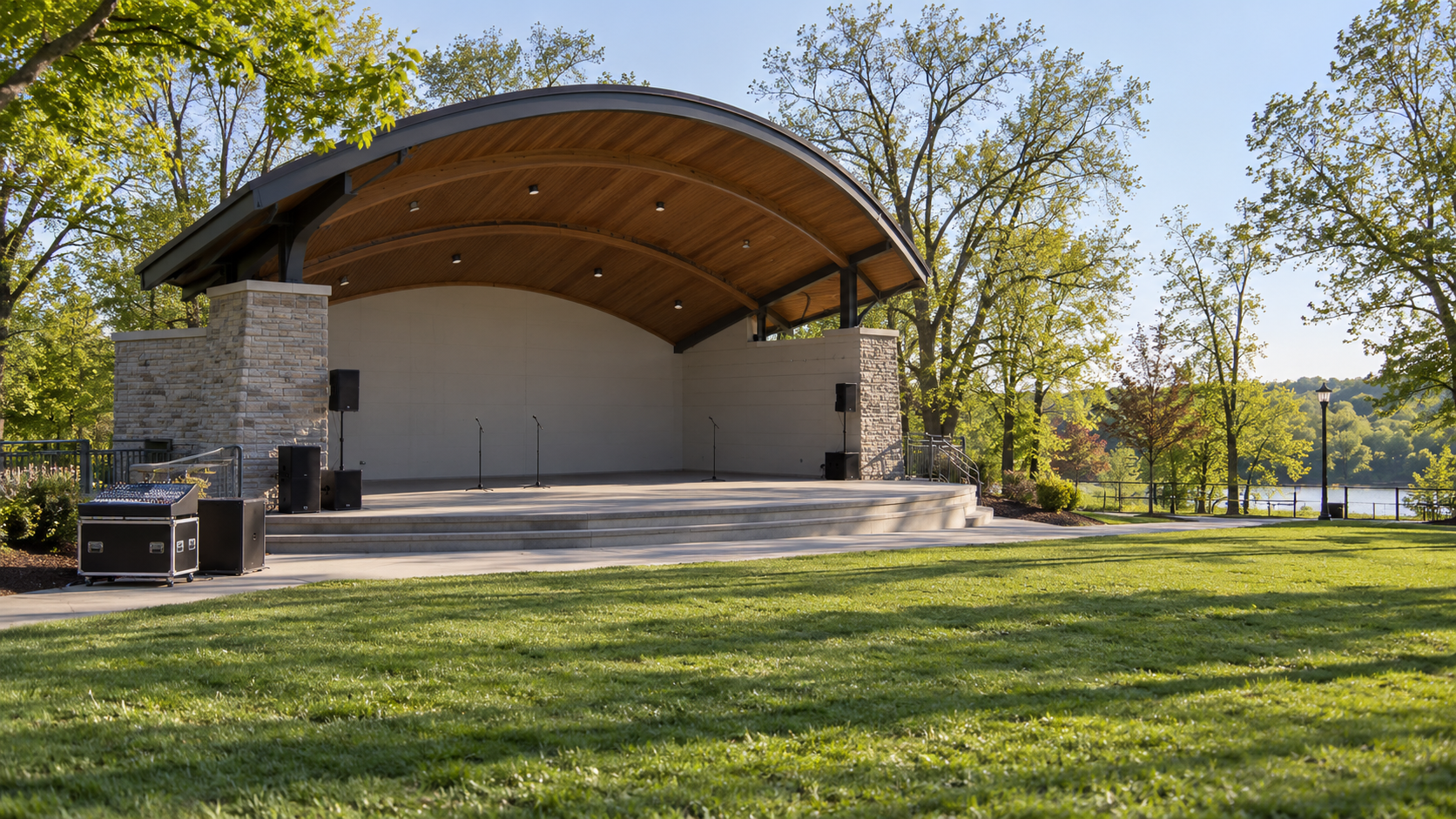
The Supreme Court’s Ward v. Rock Against Racism decision examined New York City’s sound-amplification requirements for a park bandshell. The case illustrates how noise management can be assessed without approving or disapproving a performer’s ideas. The Court explained that narrow tailoring in this framework does not require the government to choose the least restrictive imaginable alternative. Even so, a regulation cannot burden substantially more speech than necessary to achieve its interest. A practical rule still needs a defensible connection to the problem it addresses.
The political debate often arises when officials manage demonstrations, performances, or competing uses of shared space. Supporters of restrictions point to safety, access, and residents’ ability to use public facilities. Critics examine selective enforcement, excessive burdens, and alternatives that are inadequate in practice. Courts also consider the kind of forum involved, so rules for a public street and a restricted government facility cannot automatically be analyzed identically. Understanding a dispute requires examining the rule’s justification, reach, enforcement, and remaining communication options.
These restrictions address conditions of expression, such as timing or sound levels. Their substance and application matter more than the label used by officials.
The doctrine operates within broader First Amendment protections. The type of public property or communication forum affects the governing analysis.
Content neutrality, narrow tailoring, and alternative channels are central requirements in the public-forum framework. Each addresses a different potential burden on speech.
Noise management can provide a legitimate public purpose, but the restriction still needs an appropriate relationship to that purpose and meaningful communication alternatives.
Debate concerns whether apparently neutral rules are applied fairly. Excessive permit burdens or selective enforcement can create distinct constitutional questions.
Narrow tailoring here does not necessarily mean the least restrictive imaginable option. It still prevents imposing speech burdens substantially broader than the interest requires.
Explore more "Explainers"
Discover additional explainers across politics, science, business, technology, and other fields. Each explainer breaks down a complex idea into clear, everyday language—helping you better understand how major concepts, systems, and debates shape the world around us.