

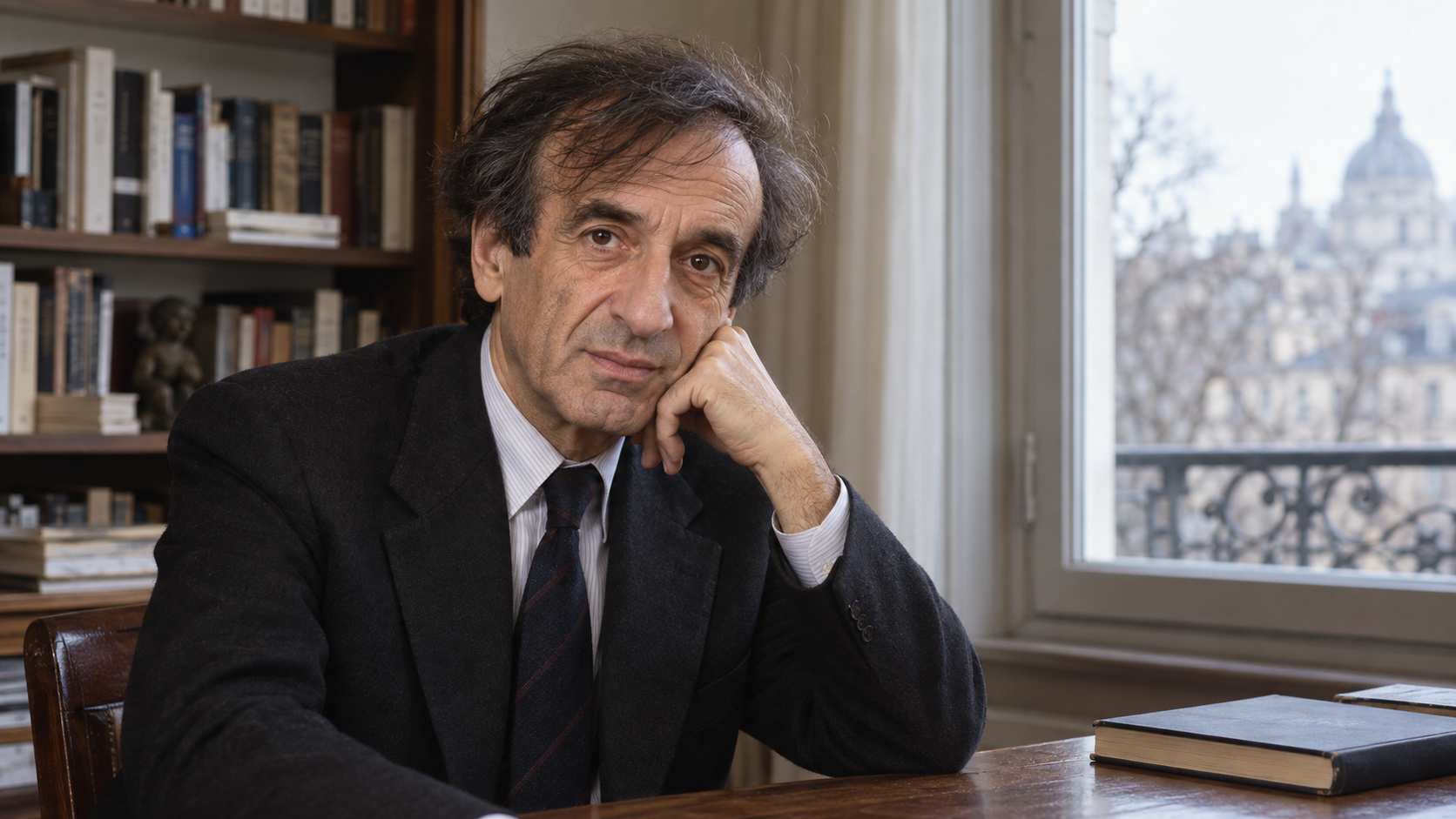
“We must always take sides. Neutrality helps the oppressor, never the victim.”
Elie Wiesel delivered these sentences in his Nobel Peace Prize acceptance speech at Oslo City Hall on December 10, 1986. The Holocaust survivor and writer spoke about the obligations that accompany memory and about people facing persecution beyond his own community. His argument connected silence with the conditions that allow abuse to continue. The surrounding speech also rejected violence and terrorism as answers to suffering. That context is essential: Wiesel was urging responsibility toward human beings, not granting any political faction unlimited moral permission. The quotation names a failure of conscience when an observer treats oppression as a matter of indifference.
Neutrality can describe several different practices, and the distinction matters here. A mediator may listen impartially so that an agreement becomes possible. A reporter may check an allegation before publishing it. Those practices are not necessarily the indifference Wiesel condemns. His challenge concerns an unwillingness to respond even when people’s basic dignity is being denied. If an institution has the capacity to protect someone but chooses to remain detached, the stronger party can benefit from that decision. The appearance of standing outside a dispute does not guarantee that the practical effects of the observer’s conduct are equally distributed.
Taking a side on human rights also requires careful judgment. Evidence must be checked, the people affected must be heard, and proposed remedies must be assessed for the harm they could cause. Sympathy for a victim should not require overlooking misconduct by someone who claims to speak for that victim. Wiesel’s broader opposition to violence supports this distinction between defending a person’s rights and endorsing every action of an ally. The sentence is most persuasive when it strengthens moral attention without replacing inquiry. A serious response asks how people can be protected and how the protection can remain accountable.
For modern public life, the quotation directs attention to the decisions hidden inside silence. A school, workplace, government, or international body may describe inaction as avoiding controversy, yet the people seeking protection still live with its consequences. The relevant question is what the institution can reasonably do: investigate, provide a remedy, prevent retaliation, or explain a clear standard. Wiesel does not make these tasks effortless. He makes it harder to dismiss them as someone else’s concern. Remembering injustice becomes politically meaningful when it changes how observers use the authority, access, and influence available to them. Those consequences deserve careful attention before officials decide.
The quotation comes from Wiesel’s December 10, 1986 acceptance speech, rather than his separate Nobel lecture delivered the next day. The official published text places it within an appeal to respond to persecution and suffering across communities.
His speech combines the experience of a Jewish Holocaust survivor with concern for other oppressed peoples. It also explicitly rejects violence and terrorism. Those elements prevent the short quotation from being used as a blanket endorsement of aggressive political methods.
Wiesel’s criticism is directed at detachment that allows abuse to proceed. An observer’s refusal to intervene may have unequal consequences, even when the refusal is presented as treating all parties the same.
The quotation does not remove the need to establish facts or consider remedies carefully. Defending a person’s dignity can coexist with independent investigation and with criticism of people who claim to act on that person’s behalf.
Institutions can apply this idea by examining their duties when someone reports harm. Access to an investigation, protection from retaliation, and a clear route to remedy make concern more substantial than a declaration of sympathy.
The line also asks readers to evaluate their own influence. Responsibility will differ according to capacity, but limited power does not make all responses impossible. Listening, checking evidence, and supporting accountable protection can each interrupt an accepted pattern of indifference.
Explore more "Quotes of The Day"
Discover more notable quotes from influential voices across politics, science, business, technology, sports, and culture. Each quote offers insight into how ideas, beliefs, and decisions shape the world around us.