

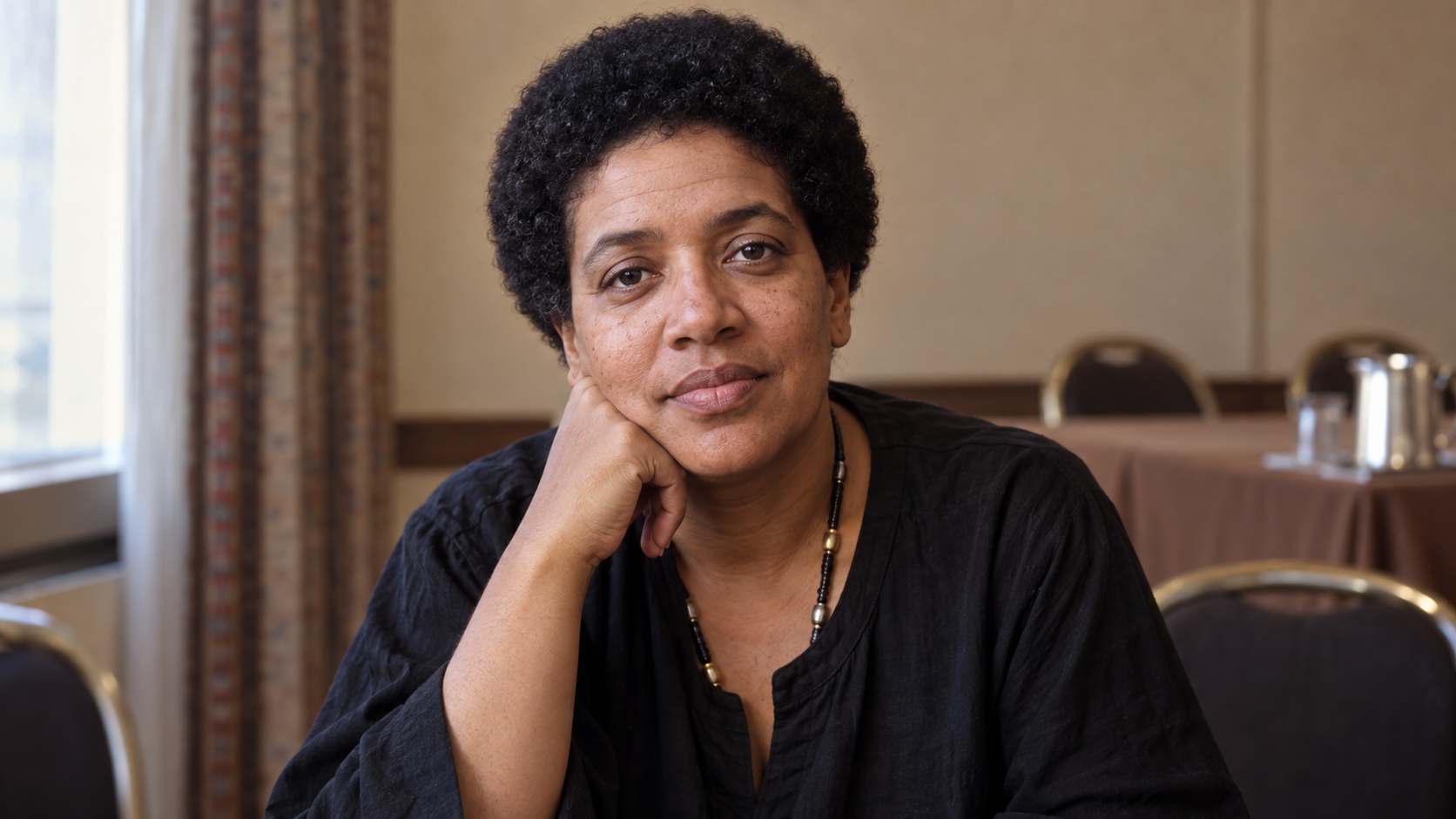
“Your silence will not protect you.”
Audre Lorde delivered this sentence in her 1977 address, The Transformation of Silence into Language and Action, to a Modern Language Association panel in Chicago. Reflecting on a recent medical scare, she described how confronting mortality had sharpened her regret about things left unsaid. The address connected a personal experience to a wider problem: fear can keep people from naming what matters to them. Lorde recognized the dangers of visibility, especially across differences of race, gender, and sexuality. Her challenge was therefore demanding rather than comforting. Speaking could expose someone to harm, yet withholding speech offered no certain refuge either.
The political force of this observation lies in how silence can conceal the existence of a disagreement. A policy may appear broadly accepted when people affected by it cannot safely question it. A workplace rule, a community practice, or a public institution can continue without hearing the experience that would reveal its cost. Finding language for that experience changes the discussion. It supplies something other people can recognize, examine, and perhaps contest. This does not make every personal account conclusive, but it makes an account available. Participation begins to look less like permission granted from above and more like a relationship formed through exchange.
Any demand for public expression needs to recognize an important limit. The person facing retaliation usually understands that danger better than an observer offering encouragement. Treating courage as a simple individual choice can hide the responsibility of institutions to protect those who raise concerns. Listening, confidential reporting, fair procedures, and solidarity can matter as much as the first declaration. Nor should visibility become another obligation imposed on a vulnerable person. Lorde’s sentence can prompt reflection without becoming a test of someone else’s bravery. Its most constructive use asks what would make honest expression possible, and who should help carry the consequences.
For political life, the lasting question concerns the difference between a quiet public and a freely consenting one. An absence of criticism may reflect confidence, exhaustion, exclusion, or fear; these possibilities deserve different responses. A healthy discussion gives people ways to question accepted accounts without requiring them to become heroes. It also asks listeners to do more than applaud a striking statement. They can consider evidence, share responsibility, and make room for disagreement. Read in that spirit, Lorde’s words turn attention toward the conditions under which people become audible to one another. The difficult work continues after someone finally finds a voice.
The original address was delivered in December 1977 and later appeared in collections of Lorde’s essays. Its immediate starting point was a medical scare and the recognition that fear had left important thoughts unspoken.
Lorde addressed listeners whose experiences differed. Her prose explored how language and action could connect people without requiring them to erase those differences.
The sentence questions the assumption that remaining unseen guarantees safety. It does not promise that expression is harmless or that disclosure always produces a favorable result.
An ethical reading respects personal judgment about risk. Institutions and allies also bear responsibility for making criticism possible and taking it seriously.
The idea remains useful when considering whose experiences enter public discussion. Apparent agreement can be misleading when some people lack practical opportunities to dissent.
Its relevance extends to listening and institutional response. Speaking becomes politically meaningful when others are willing to examine what they hear and help address the consequences.
Explore more "Quotes of The Day"
Discover more notable quotes from influential voices across politics, science, business, technology, sports, and culture. Each quote offers insight into how ideas, beliefs, and decisions shape the world around us.