

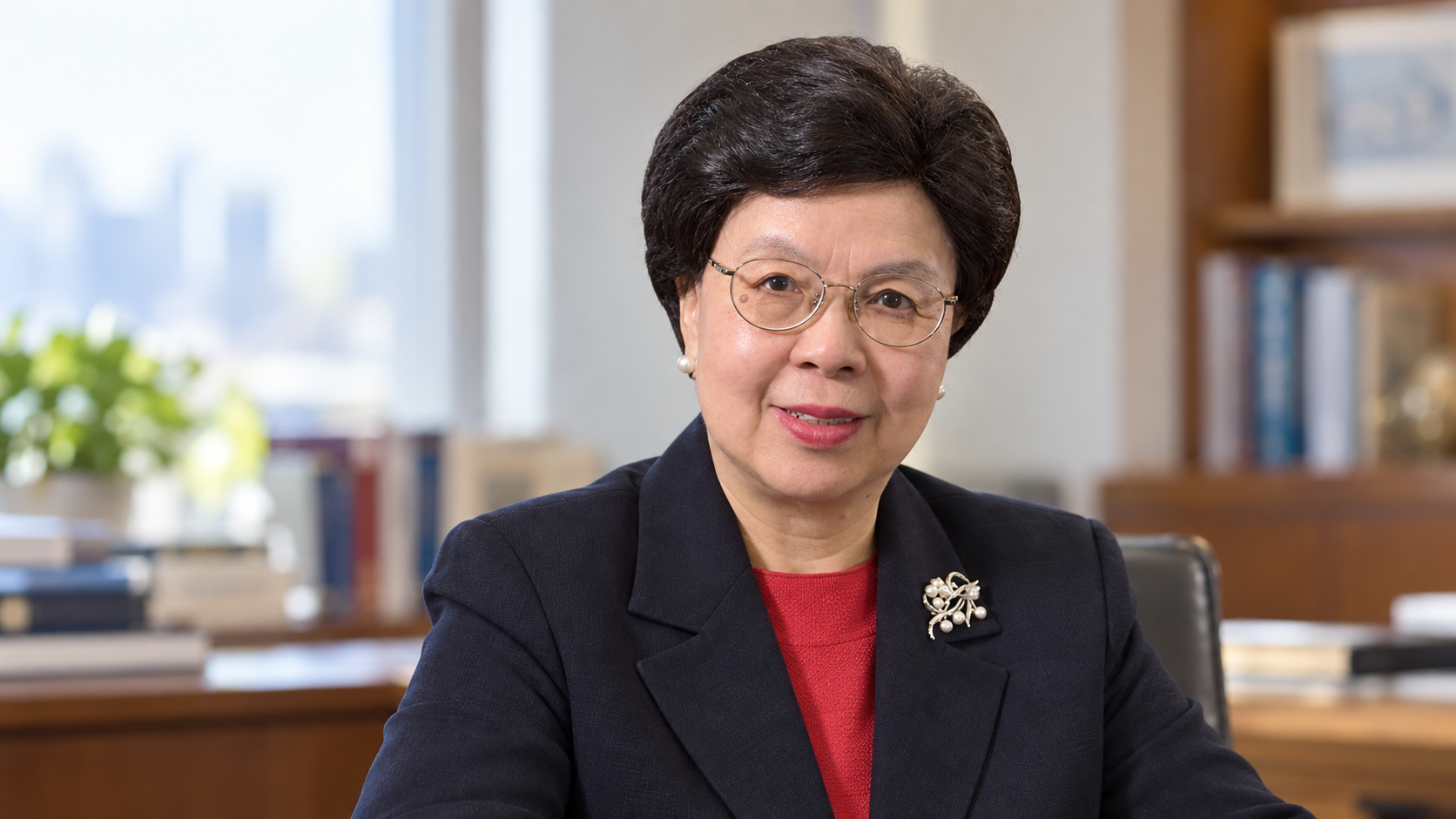
“the single most powerful concept that public health has to offer”
Margaret Chan used this phrase to describe universal health coverage while serving as director-general of the World Health Organization. The wording appears in WHO accounts of her 2012 reappointment remarks and in a 2013 release concerning research for universal coverage. The selected quotation is a clause from those longer statements, and its subject matters: she was discussing an organizing goal for health systems, rather than praising an individual treatment. Universal health coverage concerns people receiving needed health services without being driven into financial hardship by paying for them. Chan’s description gives that goal unusual prominence. It also leaves substantial questions about how a country should move toward it. Her 2013 remarks accompanied a report emphasizing research, which helps place the enthusiasm in a practical setting. A powerful concept can guide a direction, but it still requires knowledge about local needs, available resources, and the experience of those seeking care.
The value of a coverage goal becomes clearer when access and affordability are considered together. A service may exist but remain out of reach because of its cost, location, hours, or other barriers. Financial protection without adequate services can leave a different gap: a person may have a formal entitlement yet struggle to obtain the care that entitlement promises. Chan’s phrase encourages these questions to be examined as connected parts of a system. It should not be interpreted as a pledge that every imaginable intervention can be provided immediately or without limits. Countries have to make decisions about priorities, quality, and how services are organized. Those decisions require evidence and public accountability, rather than confidence in a slogan alone. Research can help identify where an approach succeeds, where it excludes people, and how it might be adapted. The breadth of the ambition makes attention to those details more necessary, especially for people whose needs are least visible in national averages.
For a reader trying to assess a proposal about healthcare, Chan’s statement offers a useful starting question: does the proposal make necessary care more reachable while protecting people from serious financial strain? A second question follows about the reliability of the services being offered. These questions do not settle competing choices, but they help connect administrative plans to human consequences. They also keep the meaning of coverage from shrinking to a count of enrollment cards or a single spending figure. The experience of getting an appointment, receiving appropriate care, and managing the resulting expense belongs in the assessment. Chan’s strong language is best understood as advocacy for a shared objective, with room for different ways of pursuing it. The research context supports learning and revision as systems develop. Her phrase remains useful when its ambition is paired with honest reporting about progress, unmet needs, and the practical steps that could bring a promise closer to everyday reality.
Chan used the quoted clause to describe universal health coverage in WHO statements during her tenure as director-general.
The 2013 statement accompanied a report on research needed to support progress toward that goal.
The concept links access to needed services with protection against financial hardship from paying for care.
It is an organizing goal, not a guarantee that every possible treatment can be offered at once.
Assessments should consider whether a formal promise translates into accessible, appropriate services.
Local research and the experiences of people seeking care can reveal gaps that broad coverage totals conceal.
Explore more "Quotes of The Day"
Discover more notable quotes from influential voices across politics, science, business, technology, sports, and culture. Each quote offers insight into how ideas, beliefs, and decisions shape the world around us.