

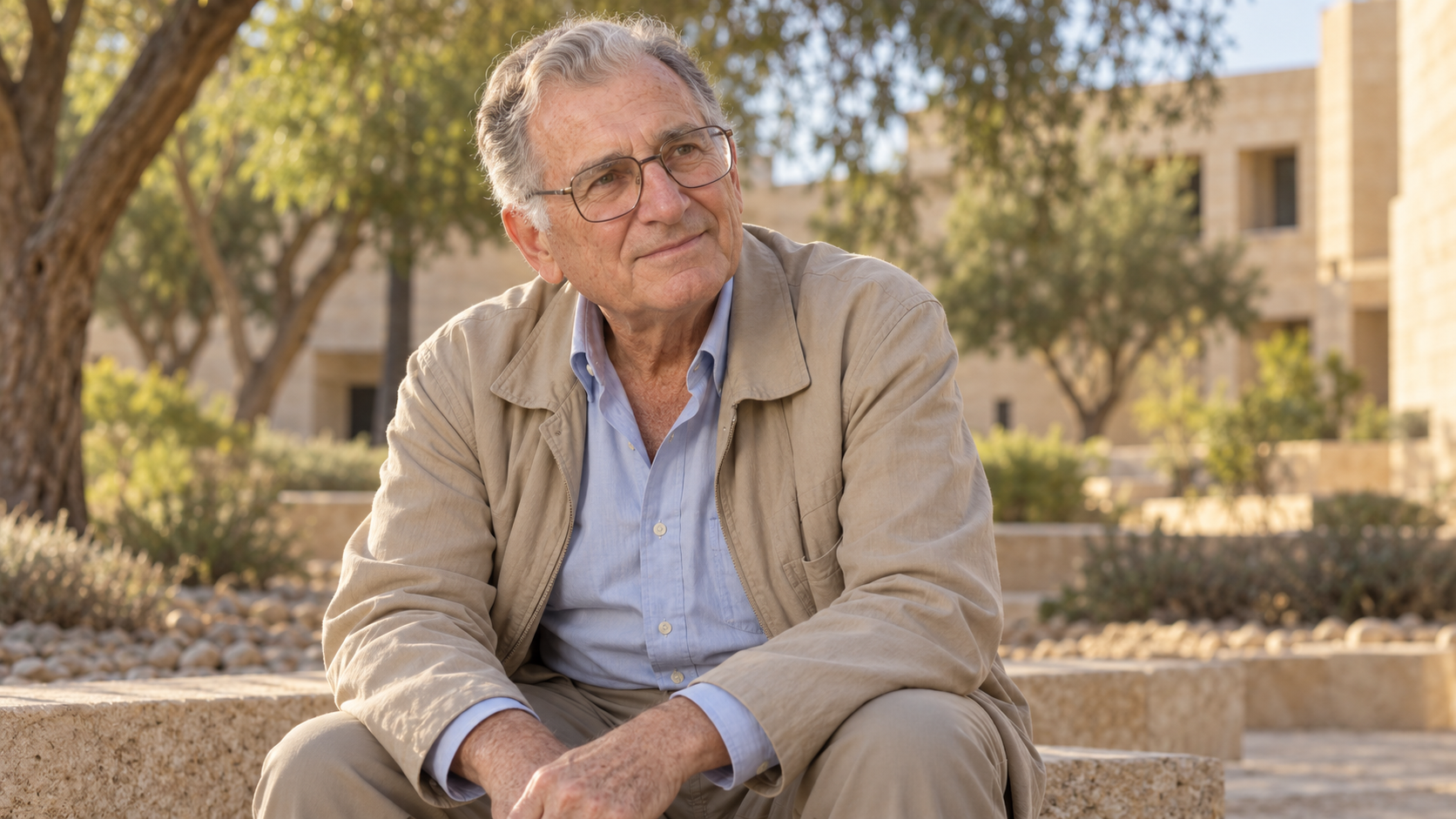
“To remain with the metaphor: we are all, always, in the dangerous river of life.”
Aaron Antonovsky’s river is a metaphor for the conditions of living. In his article published in 1996, the medical sociologist questions the idea of dividing people into those who are safely healthy and those who have entered illness. He instead describes health as something that can change along a continuum. His discussion asks readers to consider resources that support movement toward health, alongside attention to risks and disease. The article appeared after his death and drew on an earlier presentation, so its publication year belongs to the text rather than a speech delivered that year. The sentence offers a shared starting point: vulnerability is part of life. It does not make everyone’s circumstances equal, and it does not suggest that people can simply choose their way out of difficulty.
To understand the image, consider two people facing the same unfamiliar task after a health concern. One has clear information, a person they can ask for help and a place to keep track of what comes next. The other has received scattered instructions and is uncertain whom to contact. Their situations differ in resources as well as in the task itself. Asking only whether each person has tried hard enough would miss that distinction. A more useful conversation could identify what remains unclear, who is available to help and which practical arrangement is missing. These questions do not guarantee a result. They give attention to the setting in which someone must respond. The river image becomes meaningful when it encourages that attention, rather than merely praising the ability of an individual to endure.
Antonovsky’s words provide a thoughtful way to close a month of health reflections. They invite readers to look beyond a single label and consider what supports a person over time. That support may involve understandable information, a dependable contact or an arrangement that makes a difficult step manageable. It can also involve recognizing a condition that needs to change in the surrounding community. Responsibility should not fall entirely on the person confronting a problem when the obstacle lies elsewhere. At the same time, the person’s own account matters in deciding which resources are useful. An offer becomes more relevant when it is shaped by what they value and what they are trying to do. As a new month begins, one practical question can keep the reflection active: what would make the next step clearer or more possible for someone I want to support? The answer may be small, but it belongs to a larger view of care. Shared vulnerability asks for attention to both people and the conditions through which they move.
The river represents the changing conditions of living. Antonovsky uses it to question a simple division between safe health and illness.
The reflection considers useful resources as well as risks. It does not suggest that everyone faces the same circumstances.
Clear information and available support can change the setting in which someone faces a task. Missing arrangements can become obstacles.
Asking about those obstacles gives the discussion more detail than assuming a person has not tried hard enough.
Ask what would make a next step clearer or more possible. Let the person’s priorities shape the offer.
A useful response may involve one practical arrangement or a wider condition that needs attention. Care includes both people and their surroundings.
Explore more "Quotes of The Day"
Discover more notable quotes from influential voices across politics, science, business, technology, sports, and culture. Each quote offers insight into how ideas, beliefs, and decisions shape the world around us.