

On This Day in Business: August 16, 1954
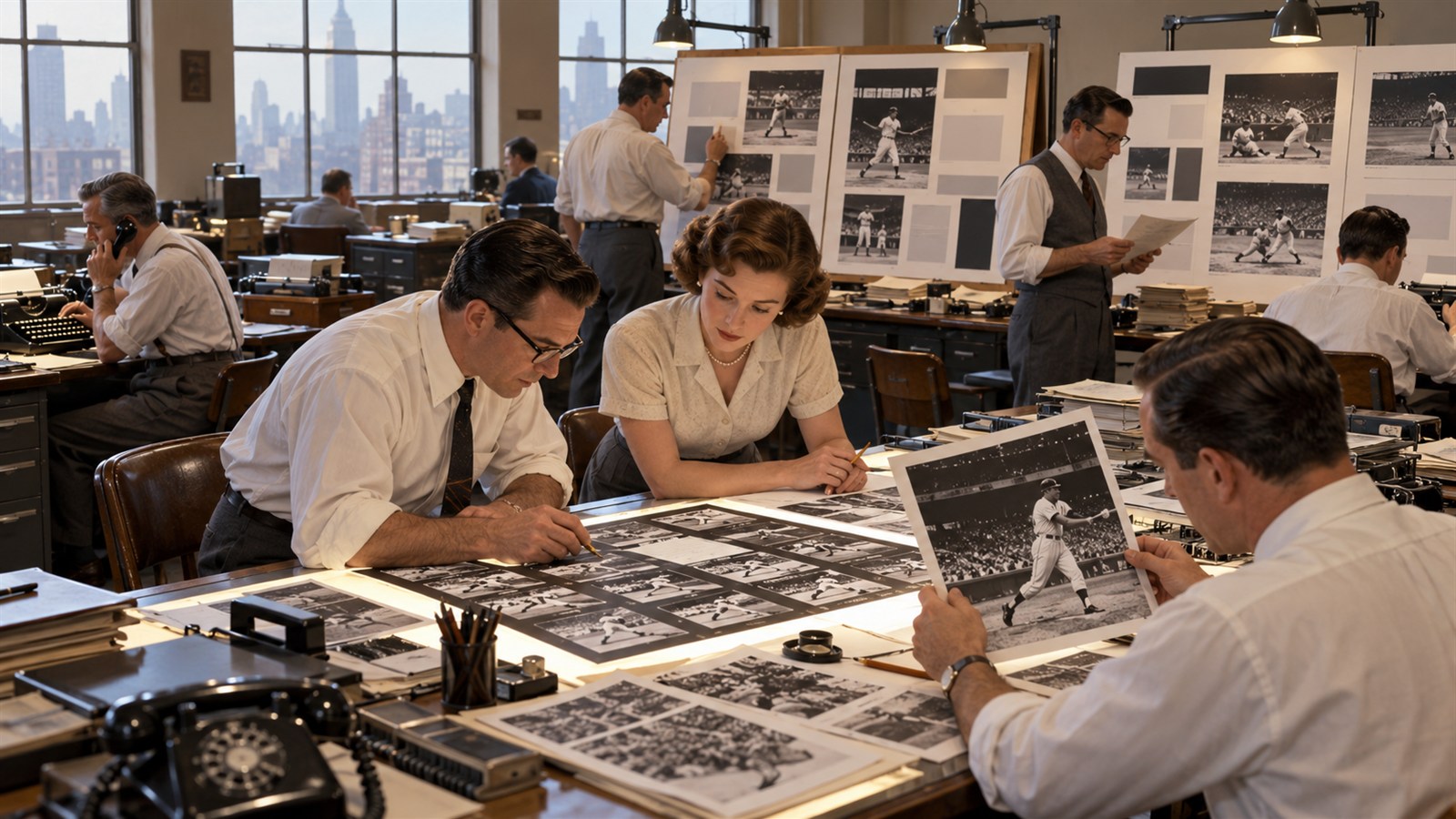
The first issue of Sports Illustrated was dated August 16, 1954. Created by Time Inc. co-founder Henry Luce, the weekly entered a market where newspapers, radio, and specialized magazines already covered athletics. Its debut cover featured a baseball game at Milwaukee County Stadium, signaling an ambition to treat sport through photography, reporting, and national storytelling. The business was not an immediate success. Sports Illustrated lost millions of dollars in its early years and took roughly a decade to become profitable, testing whether patient corporate investment could build an audience before the advertising economics were fully proven.
Luce believed rising leisure time, television exposure, suburban growth, and postwar prosperity would expand interest in sports. The magazine addressed readers as participants in a broad culture that included professional leagues, college competition, outdoor recreation, and amateur pursuits. High-quality photography distinguished the product and made printing and production expensive, but it also created an identity that newspapers could not easily match. Time Inc.'s distribution, advertising relationships, and willingness to absorb losses gave the publication room to refine its editorial voice and wait for the market to catch up.
As televised sports grew, the magazine benefited rather than becoming obsolete. Live broadcasts supplied immediacy, while weekly journalism offered interpretation, profiles, and memorable images. The two media increased the value of leagues, athletes, sponsorships, and national fan communities. Sports Illustrated became part of a commercial ecosystem in which attention moved among games, television, print, endorsements, and merchandise. Its annual products and awards also created recurring events that strengthened brand recognition. The company was not simply reporting on a market; it helped organize the stories through which that market understood itself.
The publication later faced the same digital pressures affecting the wider magazine industry: declining print advertising, changing ownership, faster news cycles, and competition from leagues and athletes publishing directly. Those difficulties do not diminish the importance of the 1954 launch. It demonstrated the potential of premium editorial packaging aimed at a national interest community and the value of investing through a long unprofitable period. Sports Illustrated's debut is a reminder that media brands are built from editorial trust, distribution, visual distinction, and patience—and that every advantage must be renewed when audience habits change. The first issue began that work by presenting sport not as filler between news stories, but as a national business and culture worthy of sustained attention. The publication's long path to profitability also reveals a distinction between audience growth and a completed business model. Readers, advertisers, printing costs, and distribution economics had to mature together before cultural influence could become dependable financial return.
Sports Illustrated's first issue carried the date August 16, 1954.
Time Inc. backed a premium weekly combining national reporting and ambitious photography.
The magazine lost substantial money in its early years before reaching profitability.
Postwar leisure, television, and expanding professional sports supported audience growth.
Print analysis and photography complemented live broadcasting rather than simply competing with it.
Its history shows both the power of patient brand investment and the vulnerability of print economics.
Explore more of "On This Day ..."
Discover more events from the same date across news, politics, technology, sports, and other fields. Each link highlights significant moments that shaped history on different fronts.