

On This Day in Business: September 29, 2008
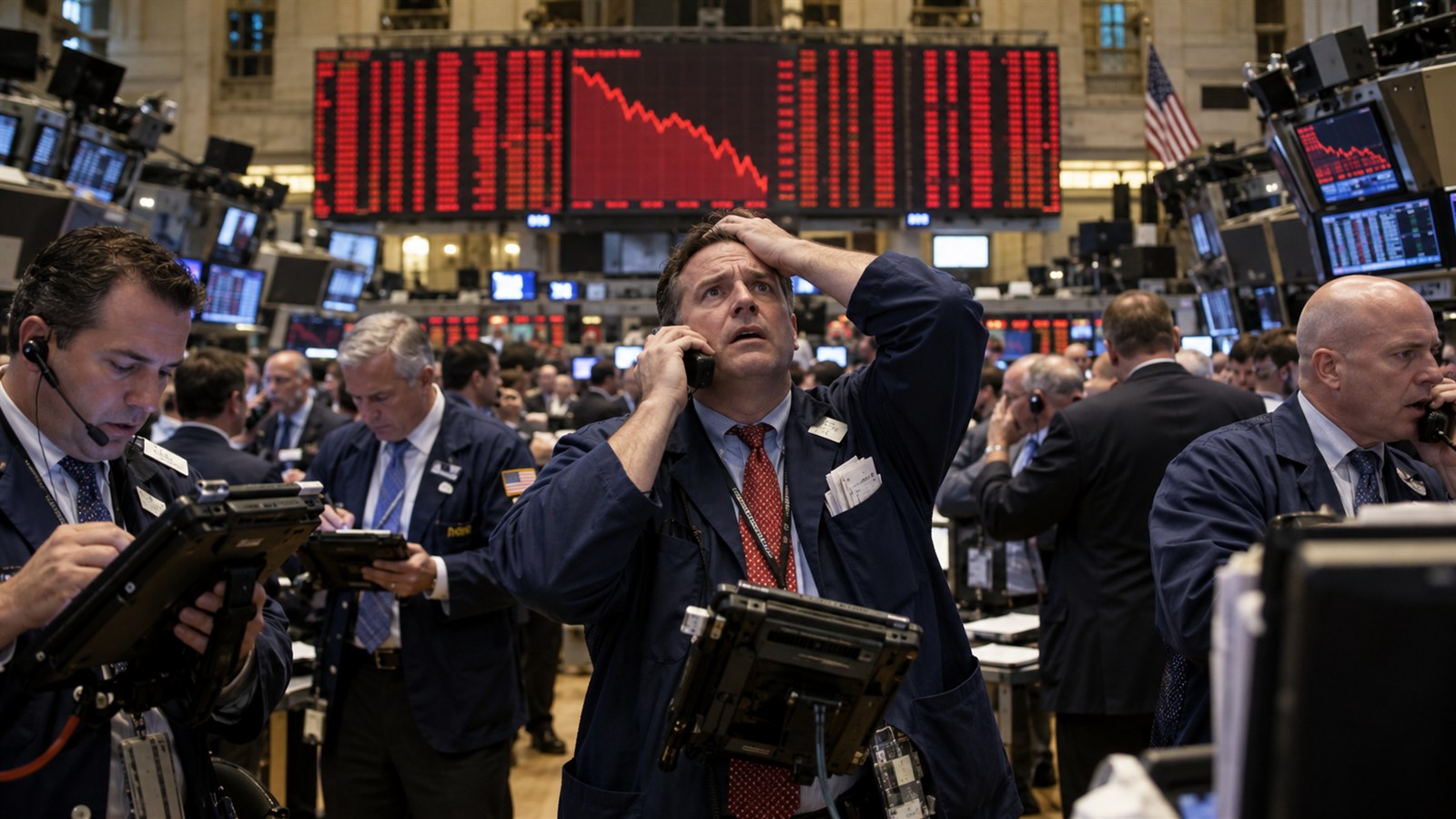
On September 29, 2008, the Dow Jones Industrial Average fell 777.68 points after the U.S. House of Representatives rejected an early version of the financial rescue legislation commonly associated with the Troubled Asset Relief Program. The 228-to-205 vote came during a rapidly worsening credit crisis. Financial institutions had failed or required emergency transactions, lending markets were strained, and policymakers warned that paralysis could damage businesses and households far beyond Wall Street. The index's 7 percent decline was then its largest one-day point drop, while financial stocks fell even more sharply.
Markets had expected lawmakers to approve the $700 billion framework after intense negotiations. As the electronic vote board showed the measure failing, share prices dropped and volatility surged. The reaction illustrated how policy expectations become embedded in prices before a decision is final. Investors were not only valuing individual companies; they were estimating whether the government would prevent forced asset sales, restore bank capital, and keep credit moving. When the expected backstop disappeared, the range of possible losses widened immediately.
The rejected bill was controversial because taxpayers were being asked to support a financial system whose own risk-taking had helped create the crisis. Legislators faced angry constituents, uncertainty about the proposal's design, and pressure to act quickly. The Senate added provisions and approved a revised measure, and the House passed it on October 3. President George W. Bush signed the Emergency Economic Stabilization Act that day. Authorities ultimately used much of TARP to inject capital into financial institutions and stabilize other parts of the economy rather than simply buying troubled mortgage assets as first described.
September 29 remains a dramatic example of the feedback loop between politics and markets. A legislative vote changed asset prices; the resulting losses altered the political urgency surrounding the next vote. That does not mean markets should dictate public policy, but it shows that policy credibility, timing, and communication have measurable economic effects during a crisis. Businesses depend on credit lines, payroll finance, customer borrowing, and functioning payment networks even when they do not trade complex securities. The plunge made those connections visible. It also demonstrated the cost of designing emergency authority under pressure: action must be fast enough to address panic while transparent and accountable enough to retain democratic legitimacy. For executives, the event showed that public-policy scenarios belong in liquidity planning. Firms cannot assume legislation, central-bank action, or market access will arrive on a preferred schedule. Buffers and contingency plans create time for democratic processes to work without turning every delay into an existential corporate threat.
The Dow fell 777.68 points on September 29, 2008, after the House rejected a rescue bill.
The House vote was 228 against and 205 in favor of the proposed financial stabilization measure.
Investors had expected public support for banks, troubled assets, and frozen credit markets.
Financial stocks fell especially sharply as the anticipated policy backstop disappeared.
Congress revised the legislation, and a version became law on October 3.
The episode exposed a feedback loop among policy credibility, market prices, credit, and political urgency.
Explore more of "On This Day ..."
Discover more events from the same date across news, politics, technology, sports, and other fields. Each link highlights significant moments that shaped history on different fronts.