

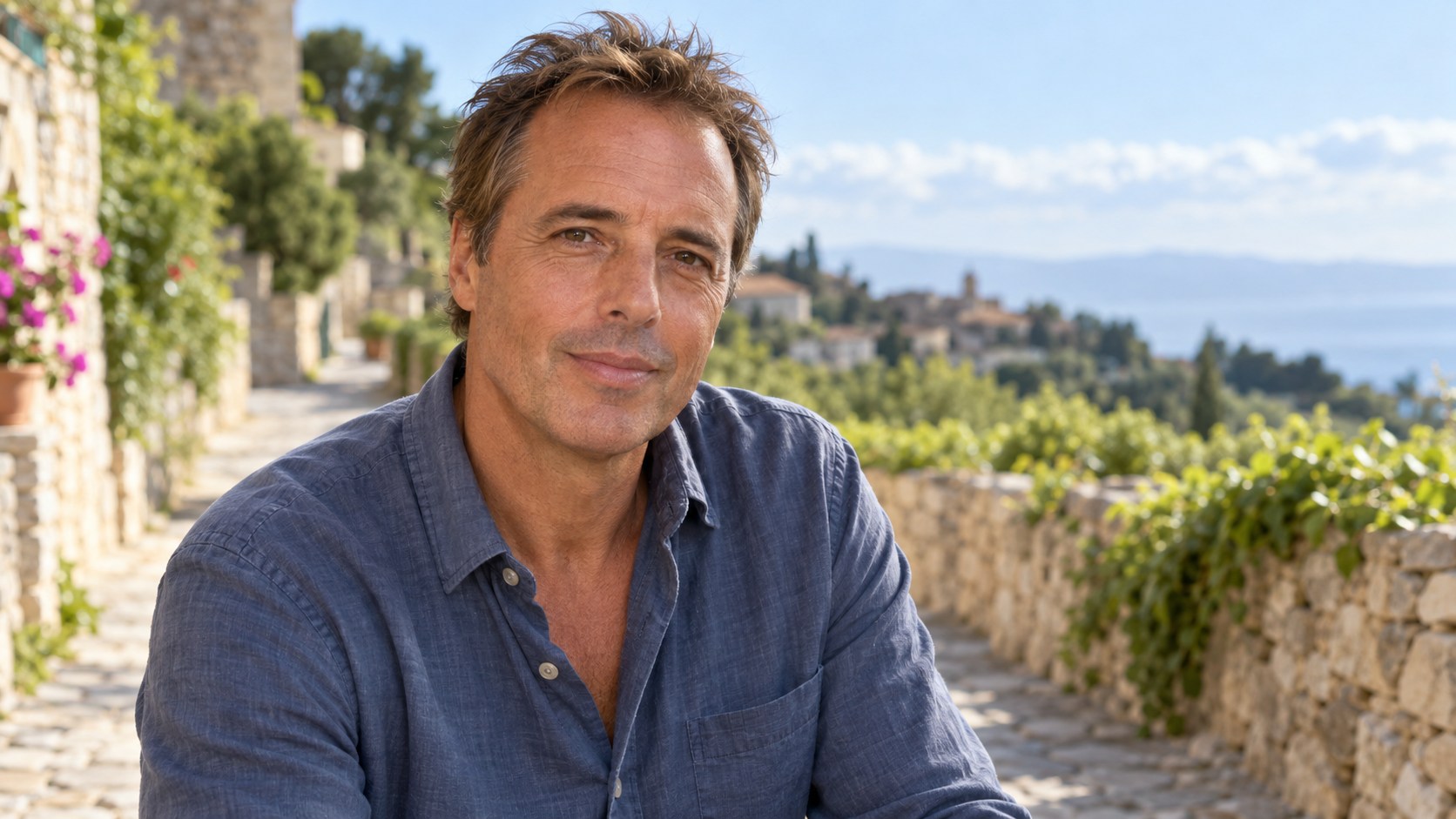
“The world's longest-lived people, those people who live without disability into their 100s, never actually exercise.”
July 10 uses How to Live to Be 100+ (2009) as Dan Buettner's documented setting. Buettner describes communities he calls Blue Zones and notes that regular movement is woven into daily life rather than isolated as formal exercise. Buettner's formulation comes from observations of communities he describes as Blue Zones. In the talk, people garden, walk, climb, and handle daily tasks without separating movement into a formal workout. The provocative word “exercise” contrasts scheduled fitness with activity embedded in the design of ordinary life. July 10 is NewsStreets placement for Dan Buettner; 2009 is Dan Buettner's date for How to Live to Be 100+.
Health-supporting activity can emerge from the design of routines, homes, streets, work, and social life instead of depending only on willpower at a gym. The featured wording—“The world's longest-lived people, those people who live without disability into their 100s, never actually exercise.”—compresses that distinction for Dan Buettner. The insight moves part of the health question from motivation to environment. When destinations are walkable and chores require safe motion, activity arrives through repetition with fewer daily negotiations. A routine can carry behavior that willpower alone struggles to renew, which is why streets, homes, and social customs matter.
Longevity evidence is observational and population-level, and individual health needs may require medical advice, structured exercise, or adapted movement. For Dan Buettner, the boundary guards How to Live to Be 100+ from overreach. Population patterns do not prescribe an individual treatment. Longevity research is observational, records can be imperfect, and some bodies need structured rehabilitation, strength work, monitoring, or rest. Medical guidance and accessible adaptations take priority over imitating a lifestyle image.
Sedentary environments make movement a scheduled exception while transportation, screens, and convenience remove it from ordinary tasks. Modern convenience often removes movement one decision at a time. Restoring a modest amount to a repeated errand or household task can test the environmental principle without turning health into punishment. The relevant measure is sustainable function for a particular person, not resemblance to an idealized centenarian. Environmental design can extend beyond walking. Frequently used objects may be placed to invite safe movement, social plans can include activity, and errands can be combined with time outdoors. Each adjustment should be judged by accessibility and enjoyment. A routine that depends on pain, shame, or exceptional motivation is unlikely to reproduce the population pattern being admired. For Dan Buettner, a practical July 10 trial is this: Add one safe form of natural movement to a repeated routine, such as walking an errand or taking stairs, and adjust it to your ability. On July 10, readers can test How to Live to Be 100+ through Dan Buettner's guidance.
Dan Buettner used the line in How to Live to Be 100+, associated with 2009. Buettner describes communities he calls Blue Zones and notes that regular movement is woven into daily life rather than isolated as formal exercise.
The source year identifies the documented work; July 10 is only this Quote of the Day series position, not the date when the words were first spoken or published.
Health-supporting activity can emerge from the design of routines, homes, streets, work, and social life instead of depending only on willpower at a gym.
Longevity evidence is observational and population-level, and individual health needs may require medical advice, structured exercise, or adapted movement.
Sedentary environments make movement a scheduled exception while transportation, screens, and convenience remove it from ordinary tasks.
Add one safe form of natural movement to a repeated routine, such as walking an errand or taking stairs, and adjust it to your ability.
Explore more "Quotes of The Day"
Continue exploring how writers, thinkers, artists, and advocates have described the choices that shape an everyday life.