

On This Day in Pop: February 2, 1959
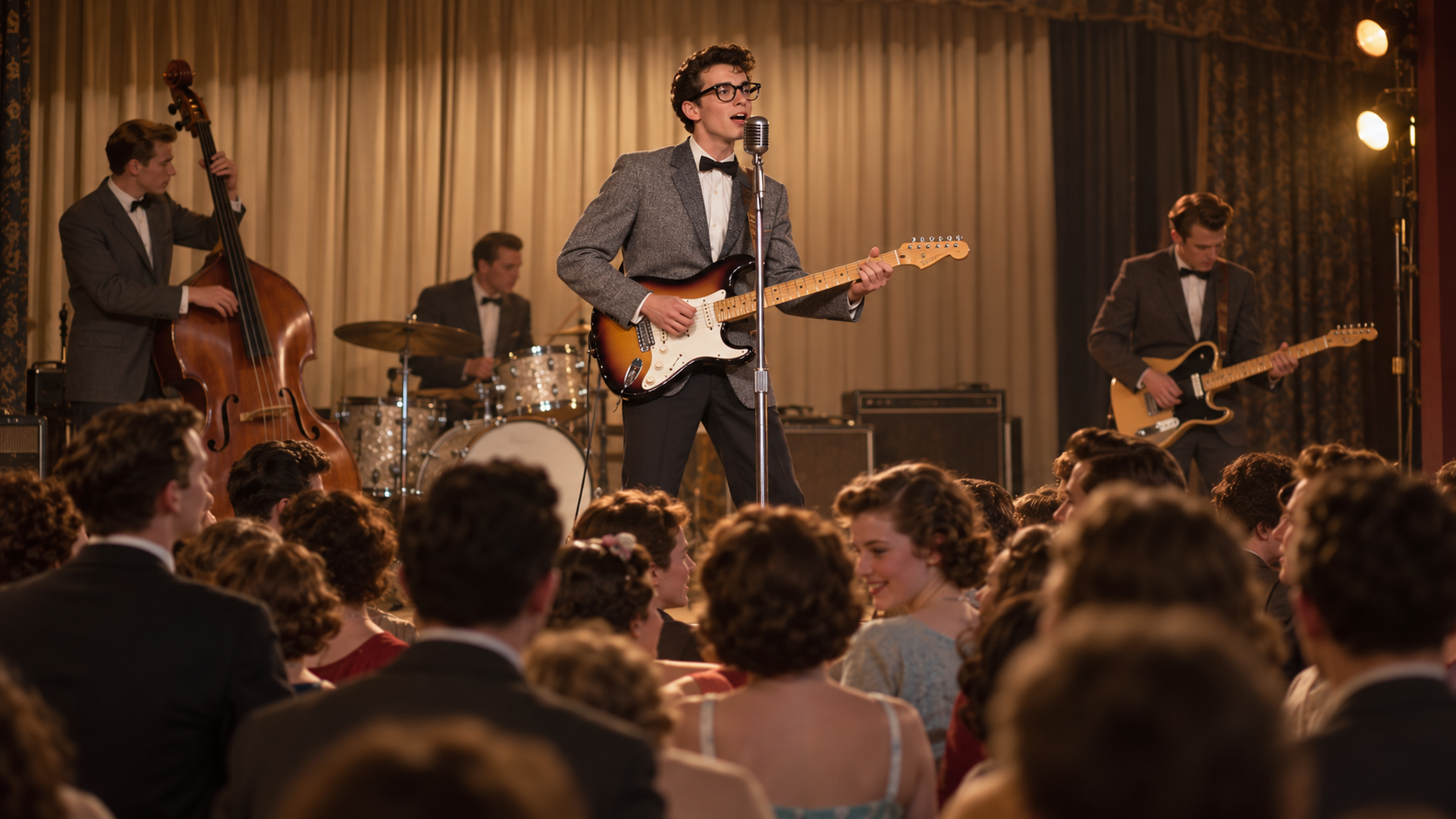
On February 2, 1959, Buddy Holly took the stage at the Surf Ballroom in Clear Lake, Iowa, during the Winter Dance Party package tour. Ritchie Valens, J. P. “The Big Bopper” Richardson, Dion and the Belmonts, and other performers were also on the bill. The routing was punishing, the weather was bitter and the tour bus had repeatedly caused trouble, but the ballroom offered a warm, energetic stop for an audience eager to hear the new sound of rock and roll in person. Viewed in its own time, the occasion was more than a neat calendar marker. It sat where entertainment, technology, publicity and public appetite met, and each of those forces helped determine who encountered it and what they made of it. Remembering the setting keeps the story grounded in decisions made by artists, producers, distributors and audiences rather than turning a complicated cultural shift into a single flash of inevitability.
After the concert, Holly arranged a small charter flight to reach the next tour stop more quickly and gain time for rest and laundry. Valens and Richardson ultimately took the other seats. The plane departed nearby Mason City in the early hours of February 3 and crashed shortly after takeoff, killing the three musicians and pilot Roger Peterson. That loss turned the previous evening’s ordinary touring engagement into a final performance, a fact no one in the room could have understood while the music played. The response also shows how popular culture accumulates momentum. A performance, release or institutional choice can feel self-contained on the day it happens, yet its meaning expands through reviews, broadcasts, sales, conversation and imitation. Those channels do not affect every person in the same way, but together they can turn a dated event into a shared reference point, one that later work either follows, revises or pushes against.
Remembering the Surf Ballroom show responsibly means holding the music and the tragedy together without letting the crash erase the artists’ work. Holly’s economical songwriting, vocal character and studio experimentation influenced generations; Valens helped bring a Mexican American voice to the pop mainstream; Richardson joined humor, rhythm and showmanship. The ballroom survives as a performance venue and historic site, giving visitors a physical connection to the tour, the era and the communities where early rock found enthusiastic listeners far from the biggest coastal cities. That longer view is why the date remains useful. It provides a precise doorway into changes that unfolded unevenly and involved many contributors, including people whose labor was less visible than the headline names. The surviving recordings, films, photographs and documents let new audiences reconsider both the achievement and its limits. Pop history is strongest when celebration is paired with context, and this anniversary offers room for both.
Buddy Holly performed at the Surf Ballroom in Clear Lake, Iowa, on February 2, 1959, as part of the Winter Dance Party tour.
The setting and sequence matter because they show how Buddy Holly’s final concert at the Surf Ballroom reached the public on this particular date.
The show became Holly’s last performance; a chartered plane carrying Holly, Ritchie Valens and J. P. Richardson crashed after takeoff early the next morning.
The first response came through the era’s available channels, from press and broadcast coverage to ticket buyers, listeners or viewers.
The concert and its tragic aftermath became inseparable from the memory of three young musicians whose recordings continued to shape rock and roll.
Its reputation has continued to develop through preservation, scholarship, revival and the interpretations of later audiences.
Explore more of "On This Day ..."
Discover more events from the same date across news, politics, technology, sports, and other fields. Each link highlights significant moments that shaped history on different fronts.