

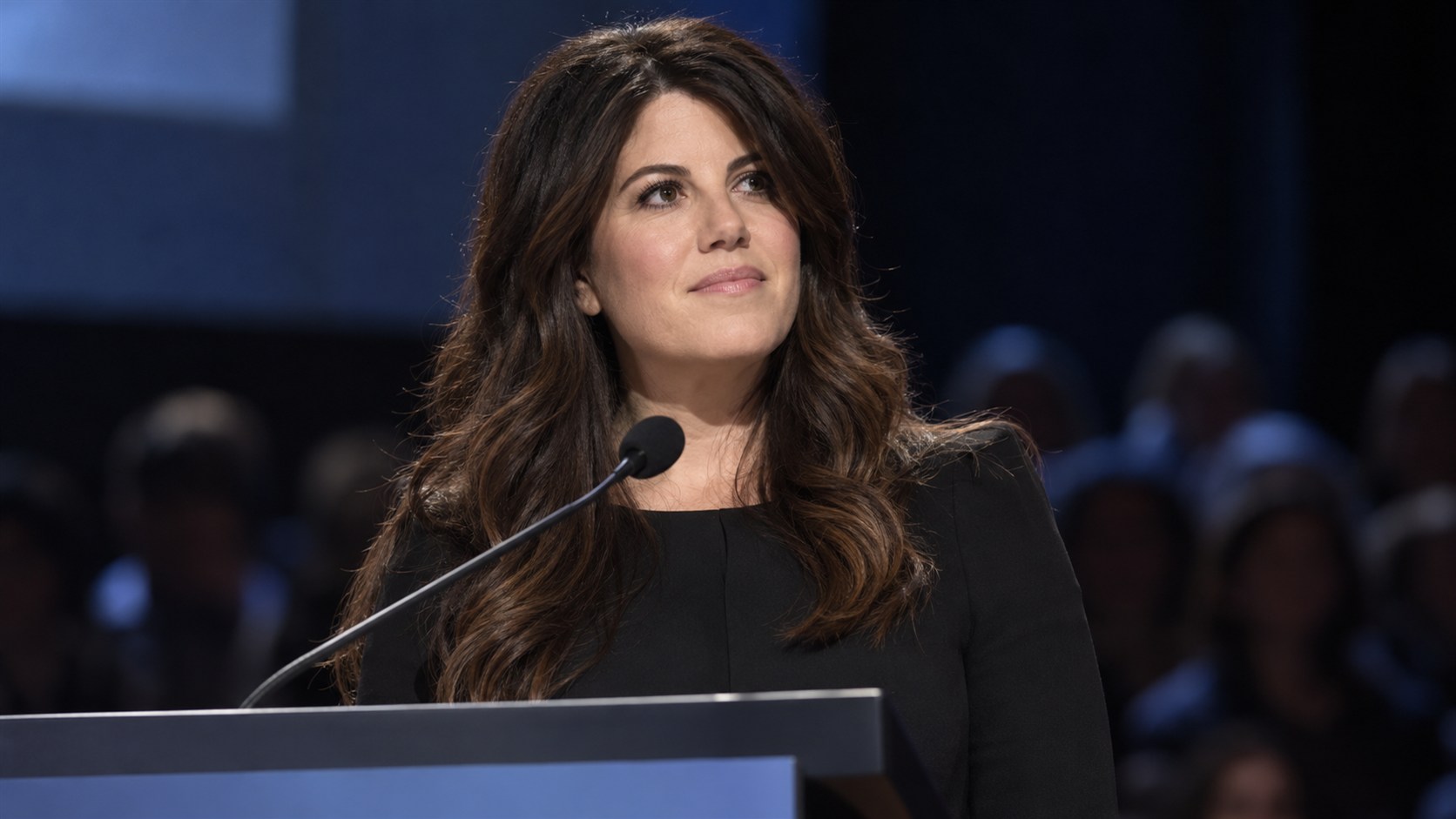
“Public shaming as a blood sport has to stop.”
In The Price of Shame, Monica Lewinsky said “Public shaming as a blood sport has to stop.” The source connected her own experience of global humiliation to the scale, permanence, and profit incentives of networked public cruelty. Lewinsky distinguishes responsible judgment from a spectacle that converts another person's pain into social currency. October 19 is this series placement, not a claim that the words were first delivered on that date. The documented source belongs to 2015, and keeping that distinction visible protects the quotation from becoming a floating slogan. It also gives readers a concrete setting in which to judge what the line can and cannot reasonably mean.
Accountability loses moral clarity when it becomes mass entertainment organized around dehumanization, harassment, and endless punishment. In practical terms, the line asks readers to notice that a mistake, allegation, or awkward clip can summon enormous audiences whose attention is rewarded before facts and context are settled. The point is not to turn one compact sentence into a universal rule. It is to let the source sharpen attention: before sharing a pile-on, verify the claim, ask what remedy is sought, and refuse content whose main product is humiliation. That action is deliberately small enough to observe. A quotation becomes useful when it changes a real decision without pretending to settle every circumstance around it.
opposing humiliation does not require ignoring misconduct, silencing criticism, or removing proportionate consequences. That boundary is central to responsible reading. “Public shaming as a blood sport has to stop.” carries force because it compresses an insight, but compression always leaves conditions outside the frame. Power, health, money, safety, culture, and timing can alter what action is available. Reading Monica Lewinsky well therefore requires both sympathy with the central claim and willingness to name the people for whom its easiest interpretation may not fit.
The line still matters because a mistake, allegation, or awkward clip can summon enormous audiences whose attention is rewarded before facts and context are settled. A fair test is not whether it sounds inspiring, but whether acting on it increases clarity, dignity, connection, access, or agency. Try this: before sharing a pile-on, verify the claim, ask what remedy is sought, and refuse content whose main product is humiliation. Then review the result, including any burden shifted to someone else. Lewinsky distinguishes responsible judgment from a spectacle that converts another person's pain into social currency. That combination of action and revision keeps the quotation alive without turning it into a commandment.
Monica Lewinsky used the line in The Price of Shame, documented in 2015. The source connected her own experience of global humiliation to the scale, permanence, and profit incentives of networked public cruelty.
Lewinsky distinguishes responsible judgment from a spectacle that converts another person's pain into social currency. October 19 is only this series placement; it is not presented as the date when the words were first delivered.
Accountability loses moral clarity when it becomes mass entertainment organized around dehumanization, harassment, and endless punishment.
opposing humiliation does not require ignoring misconduct, silencing criticism, or removing proportionate consequences.
A mistake, allegation, or awkward clip can summon enormous audiences whose attention is rewarded before facts and context are settled.
A measured way to act on the idea is to before sharing a pile-on, verify the claim, ask what remedy is sought, and refuse content whose main product is humiliation.
Explore more "Quotes of The Day"
Continue exploring how writers, thinkers, artists, and advocates have described the choices that shape an everyday life.