

On This Day in Pop: February 15, 1950
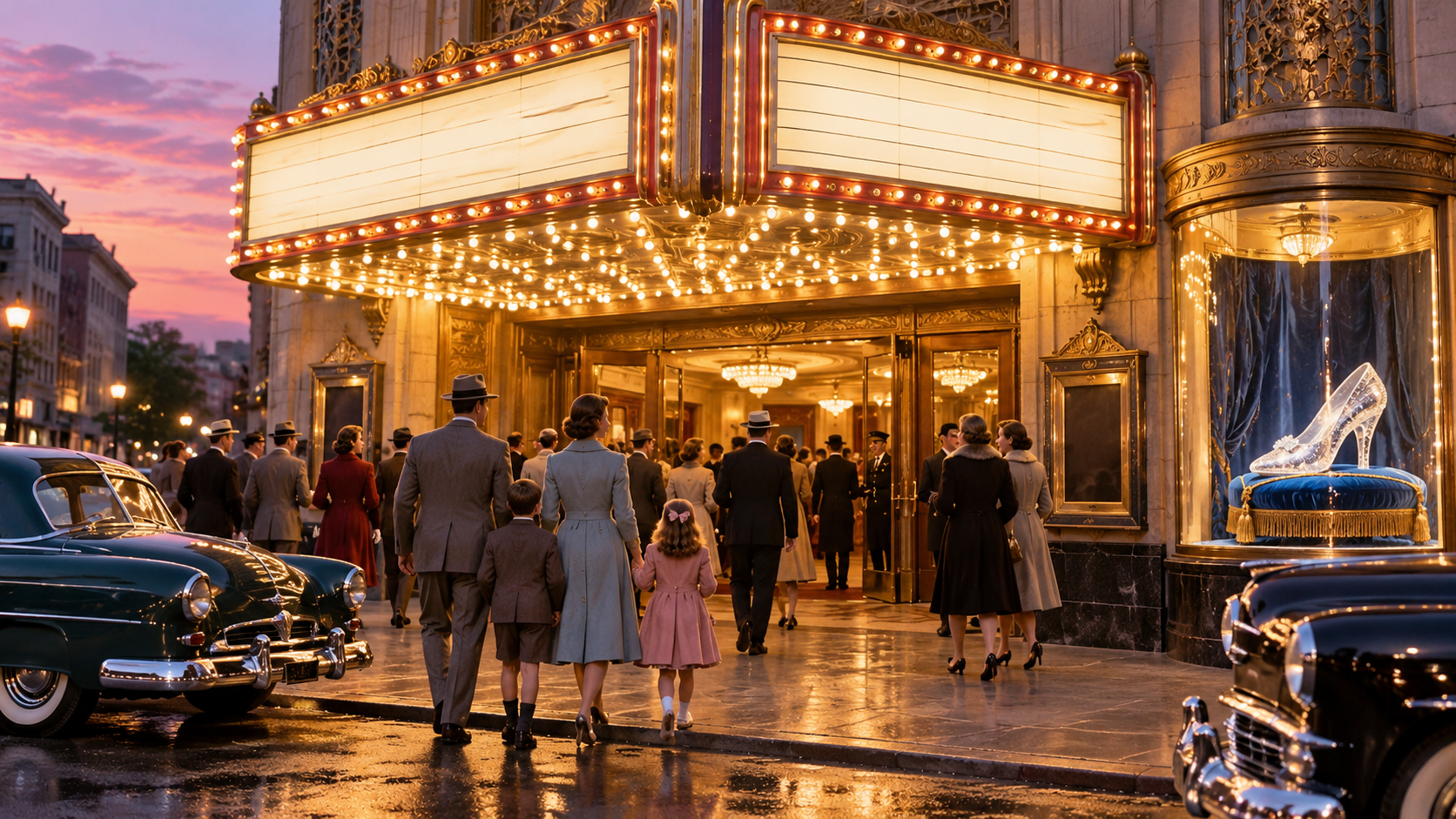
On February 15, 1950, Walt Disney’s Cinderella reached theaters, presenting Charles Perrault’s familiar fairy tale as a full-length animated musical. The studio had continued making features through the 1940s, but war, foreign-market losses and financial pressure had encouraged lower-cost package films. Cinderella therefore carried unusual weight. Artists had to create a convincing heroine, comic animal action, threatening domestic relationships and an opulent magical transformation while keeping the production controlled enough to succeed commercially. Viewed in its own time, the occasion was more than a neat calendar marker. It sat where entertainment, technology, publicity and public appetite met, and each of those forces helped determine who encountered it and what they made of it. Remembering the setting keeps the story grounded in decisions made by artists, producers, distributors and audiences rather than turning a complicated cultural shift into a single flash of inevitability.
Live-action reference footage helped animators study movement and staging, but the finished film depends on interpretation rather than tracing alone. The contrast between Cinderella’s restricted daily life and the open space of the ballroom gives the story visual force. Songs including “Bibbidi-Bobbidi-Boo” and “A Dream Is a Wish Your Heart Makes” extended the film through recordings and radio. Detailed effects—the gown’s transformation, the coach and the midnight collapse of the spell—made technical craft part of the emotional payoff. The response also shows how popular culture accumulates momentum. A performance, release or institutional choice can feel self-contained on the day it happens, yet its meaning expands through reviews, broadcasts, sales, conversation and imitation. Those channels do not affect every person in the same way, but together they can turn a dated event into a shared reference point, one that later work either follows, revises or pushes against.
The film’s success strengthened Disney’s finances and helped reopen a sustained line of animated features. Its princess imagery became extraordinarily influential through rereleases, television, merchandise and theme parks, sometimes narrowing the public memory of Disney animation to a particular kind of romance. Contemporary viewers may question the story’s class ideals, gender expectations or promise of rescue while still appreciating its design and character work. That combination of affection and critique is part of Cinderella’s continuing life: a 1950 production that remains both a crafted film and a flexible cultural symbol. That longer view is why the date remains useful. It provides a precise doorway into changes that unfolded unevenly and involved many contributors, including people whose labor was less visible than the headline names. The surviving recordings, films, photographs and documents let new audiences reconsider both the achievement and its limits. Pop history is strongest when celebration is paired with context, and this anniversary offers room for both.
Walt Disney’s animated Cinderella was released on February 15, 1950, following its Boston premiere.
The setting and sequence matter because they show how the release of Disney’s Cinderella reached the public on this particular date.
The film’s strong reception and box office provided crucial momentum for a studio strained by wartime disruption and costly features.
The first response came through the era’s available channels, from press and broadcast coverage to ticket buyers, listeners or viewers.
Its character animation, songs and transformation imagery became central to Disney’s postwar identity and to popular ideas of the fairy tale.
Its reputation has continued to develop through preservation, scholarship, revival and the interpretations of later audiences.
Explore more of "On This Day ..."
Discover more events from the same date across news, politics, technology, sports, and other fields. Each link highlights significant moments that shaped history on different fronts.