

On This Day in Pop: February 11, 1960
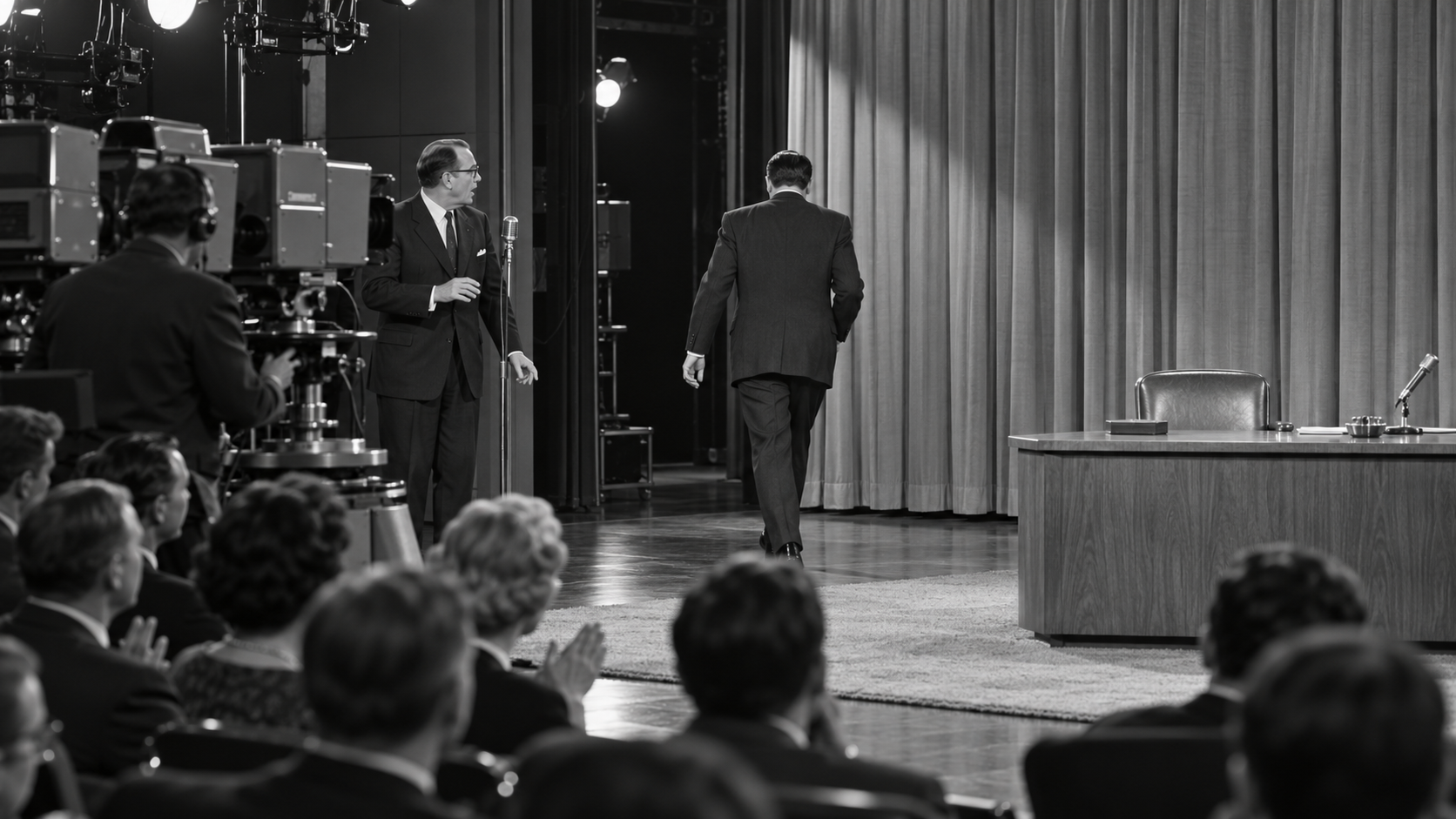
On February 11, 1960, Jack Paar began The Tonight Show, addressed the audience and then walked off the live broadcast. NBC censors had removed a joke from the previous night’s taped program without satisfying him about the decision. Paar treated the cut as a violation of trust and professional judgment, and his exit forced the dispute into public view. Announcer Hugh Downs remained calm and carried the show forward, but the missing host became the evening’s unavoidable subject. Viewed in its own time, the occasion was more than a neat calendar marker. It sat where entertainment, technology, publicity and public appetite met, and each of those forces helped determine who encountered it and what they made of it. Remembering the setting keeps the story grounded in decisions made by artists, producers, distributors and audiences rather than turning a complicated cultural shift into a single flash of inevitability.
The incident exposed the tensions of early network television. Broadcasters operated under standards designed to protect affiliates and advertisers, while performers increasingly wanted a recognizable point of view and room to test boundaries. Paar’s conversational style made emotion, opinion and spontaneity central to the program, so censorship could feel personal as well as institutional. Because the show unfolded on a regular schedule before a national audience, an employment conflict became part of the entertainment rather than something settled privately after the cameras stopped. The response also shows how popular culture accumulates momentum. A performance, release or institutional choice can feel self-contained on the day it happens, yet its meaning expands through reviews, broadcasts, sales, conversation and imitation. Those channels do not affect every person in the same way, but together they can turn a dated event into a shared reference point, one that later work either follows, revises or pushes against.
Paar returned several weeks later, opening with a dry acknowledgment of the interruption and resuming his role. The episode did not end network standards, nor did it give hosts complete freedom, but it clarified the leverage a distinctive personality could possess. Later late-night programs inherited that complicated balance among host, network, sponsors and audience. The walkout survives as more than a colorful anecdote because it showed live television testing its own authority: the institution controlled the signal, yet the person viewers expected to see could refuse to perform. That longer view is why the date remains useful. It provides a precise doorway into changes that unfolded unevenly and involved many contributors, including people whose labor was less visible than the headline names. The surviving recordings, films, photographs and documents let new audiences reconsider both the achievement and its limits. Pop history is strongest when celebration is paired with context, and this anniversary offers room for both.
Jack Paar walked off The Tonight Show during its February 11, 1960 broadcast after objecting to NBC’s censorship of a joke.
The setting and sequence matter because they show how Jack Paar’s live departure from The Tonight Show reached the public on this particular date.
Announcer Hugh Downs took over the live program, turning a dispute between a star and a network into immediate television.
The first response came through the era’s available channels, from press and broadcast coverage to ticket buyers, listeners or viewers.
Paar’s departure and later return helped define the late-night host as a personal editorial voice rather than a replaceable master of ceremonies.
Its reputation has continued to develop through preservation, scholarship, revival and the interpretations of later audiences.
Explore more of "On This Day ..."
Discover more events from the same date across news, politics, technology, sports, and other fields. Each link highlights significant moments that shaped history on different fronts.