

On This Day in Pop: February 16, 2018
On February 16, 2018, Black Panther opened nationwide in the United States. Directed by Ryan Coogler, the Marvel Studios film centered Chadwick Boseman’s T’Challa as he returned to Wakanda to become king while confronting Michael B. Jordan’s Erik Killmonger. The conflict joined superhero action to questions of inheritance, isolation, diaspora and responsibility. A large Black ensemble—including Lupita Nyong’o, Danai Gurira, Letitia Wright, Angela Bassett, Forest Whitaker and Daniel Kaluuya—filled the fictional nation with competing loyalties rather than a single symbolic identity. Viewed in its own time, the occasion was more than a neat calendar marker. It sat where entertainment, technology, publicity and public appetite met, and each of those forces helped determine who encountered it and what they made of it. Remembering the setting keeps the story grounded in decisions made by artists, producers, distributors and audiences rather than turning a complicated cultural shift into a single flash of inevitability.
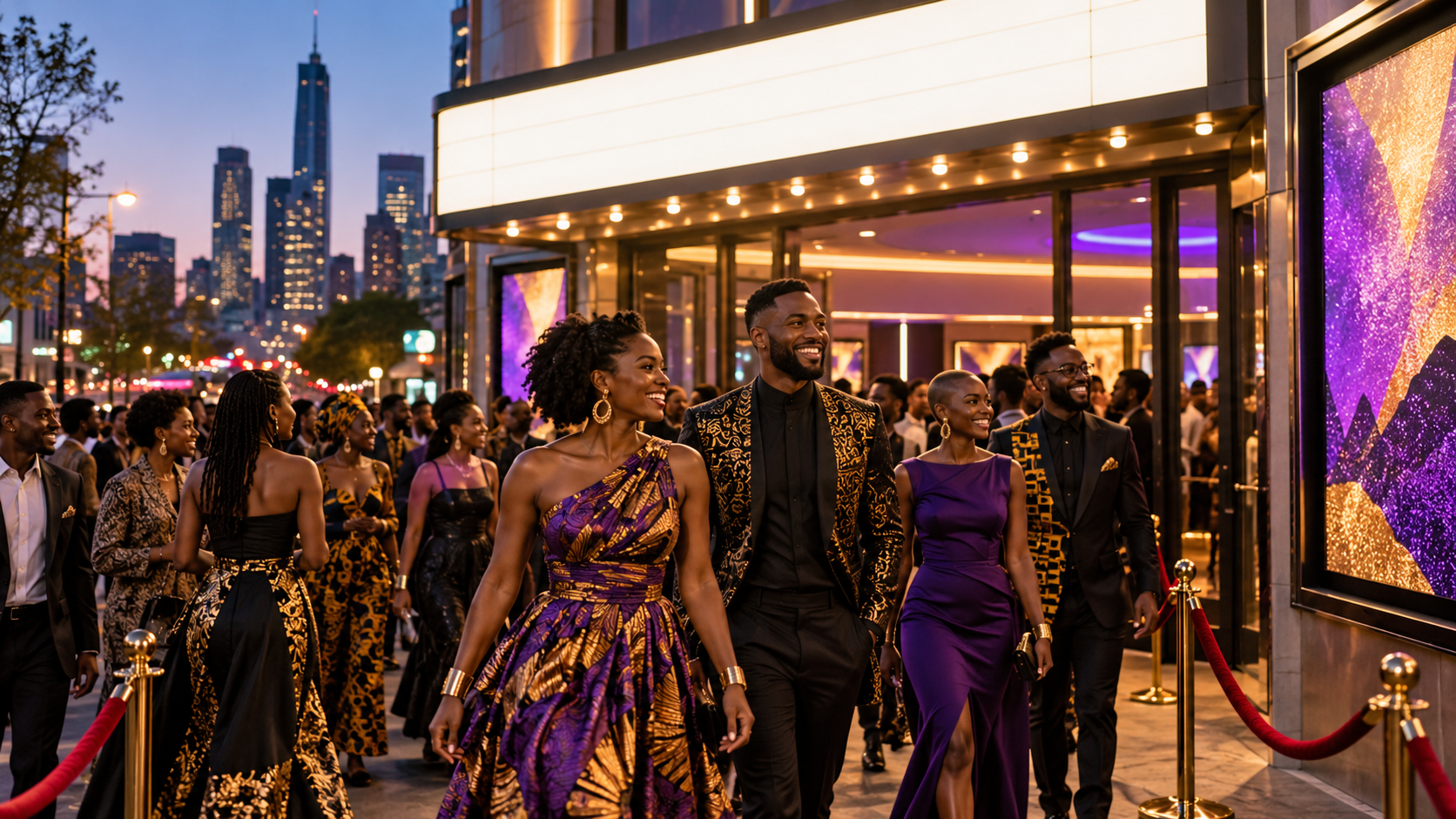
Wakanda’s impact depended on craft across departments. Production designer Hannah Beachler, costume designer Ruth E. Carter, composer Ludwig Göransson and many collaborators drew from varied African cultures while imagining advanced technology outside familiar Western futurism. The Dora Milaje, Shuri’s laboratory, cityscapes and ceremonial spaces gave the world social texture. Audiences turned opening weekend into a celebratory event, with group screenings, coordinated clothing and discussion that extended beyond conventional franchise fandom. Strong reviews and extraordinary box office demonstrated the scale of that engagement. The response also shows how popular culture accumulates momentum. A performance, release or institutional choice can feel self-contained on the day it happens, yet its meaning expands through reviews, broadcasts, sales, conversation and imitation. Those channels do not affect every person in the same way, but together they can turn a dated event into a shared reference point, one that later work either follows, revises or pushes against.
Black Panther became the first superhero film nominated for the Academy Award for Best Picture and won Oscars for costume design, production design and original score. Those milestones mattered, but the film’s legacy also lives in the arguments it opened: how a powerful nation should relate to oppression elsewhere, how popular genres can carry political ideas and how representation changes when many characters hold agency. Boseman’s death in 2020 added grief to later viewings. The original release remains a rare convergence of blockbuster anticipation, specific cultural imagination and collective public celebration. That longer view is why the date remains useful. It provides a precise doorway into changes that unfolded unevenly and involved many contributors, including people whose labor was less visible than the headline names. The surviving recordings, films, photographs and documents let new audiences reconsider both the achievement and its limits. Pop history is strongest when celebration is paired with context, and this anniversary offers room for both.
Marvel Studios’ Black Panther opened across the United States on February 16, 2018, following international releases and premieres.
The setting and sequence matter because they show how the nationwide release of Black Panther reached the public on this particular date.
Ryan Coogler’s film paired superhero spectacle with a largely Black cast and an extensively imagined African nation untouched by colonization.
The first response came through the era’s available channels, from press and broadcast coverage to ticket buyers, listeners or viewers.
Its commercial and awards success expanded expectations for whose stories could anchor the largest global film franchises.
Its reputation has continued to develop through preservation, scholarship, revival and the interpretations of later audiences.
Explore more of "On This Day ..."
Discover more events from the same date across news, politics, technology, sports, and other fields. Each link highlights significant moments that shaped history on different fronts.