

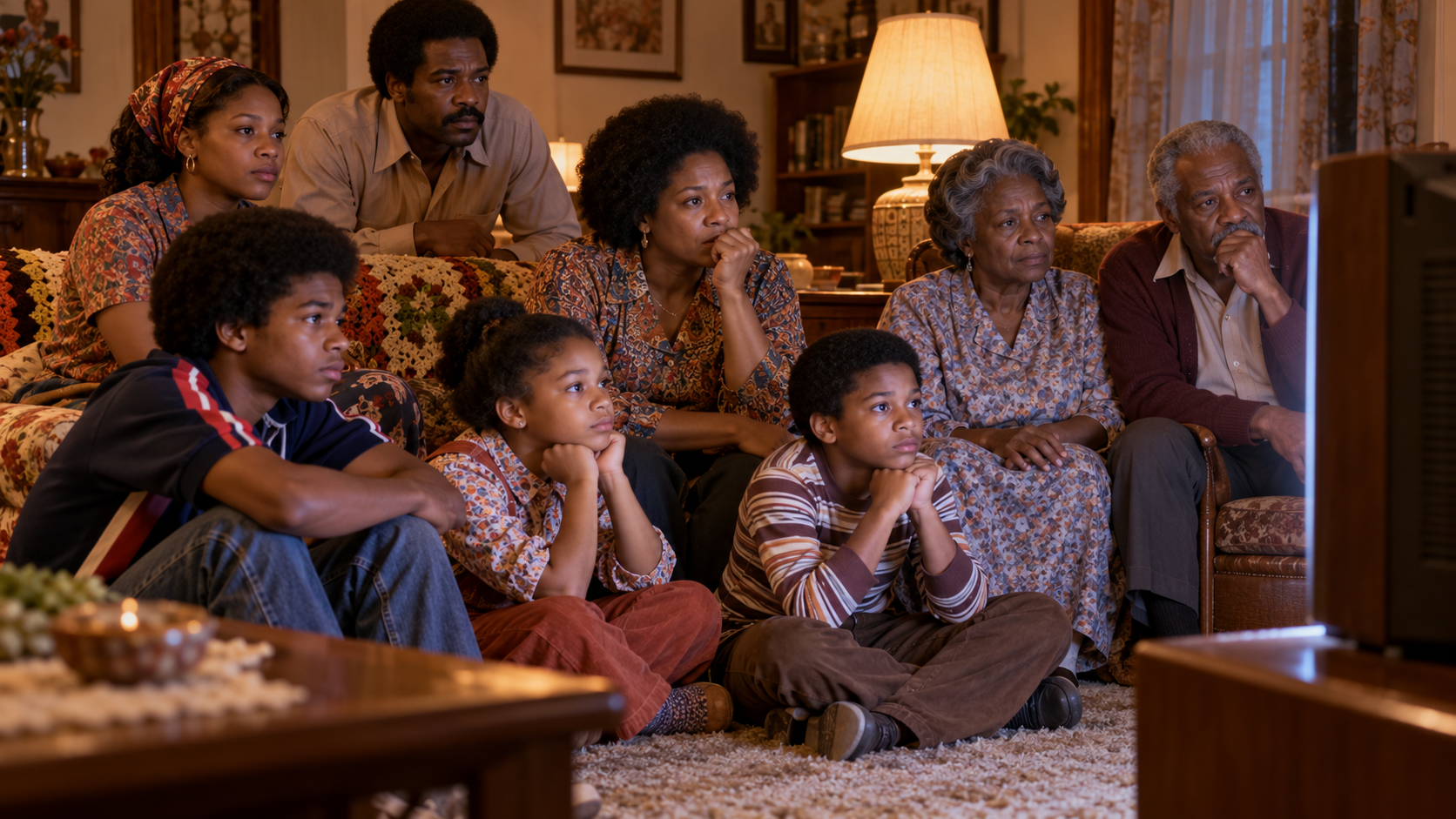
On This Day in Pop: February 18, 1979
On February 18, 1979, ABC premiered Roots: The Next Generations, a major miniseries continuing the family story introduced by Roots two years earlier. Rather than repeat the first program’s focus, the sequel began after the Civil War and moved across decades of American life. Its characters encountered the uncertain promises of Reconstruction, legalized segregation, changing work, migration and wartime service. The long chronology eventually connected the dramatized ancestors to Alex Haley and his effort to recover a family past fragmented by slavery. Viewed in its own time, the occasion was more than a neat calendar marker. It sat where entertainment, technology, publicity and public appetite met, and each of those forces helped determine who encountered it and what they made of it. Remembering the setting keeps the story grounded in decisions made by artists, producers, distributors and audiences rather than turning a complicated cultural shift into a single flash of inevitability.
The production used the scale of network television to place intimate choices inside broad historical change. A large ensemble and multiple directors carried the story across generations, asking viewers to remember relationships even as settings and performers changed. Broadcast scheduling made the miniseries a repeated national appointment rather than a single evening’s film. That form encouraged conversation between episodes, while commercial television’s reach brought difficult subjects into homes that might not have sought a historical documentary or classroom account. The response also shows how popular culture accumulates momentum. A performance, release or institutional choice can feel self-contained on the day it happens, yet its meaning expands through reviews, broadcasts, sales, conversation and imitation. Those channels do not affect every person in the same way, but together they can turn a dated event into a shared reference point, one that later work either follows, revises or pushes against.
Like the original Roots and Haley’s published work, the sequel has been discussed both for its cultural importance and for questions about documentation, authorship and dramatization. Those debates are part of its legacy rather than a reason to ignore its impact. Roots: The Next Generations insisted that emancipation was not a tidy ending and that family histories continue through policy, violence, aspiration and memory. It also helped demonstrate that television could sustain a Black family’s story across a century, treating ancestry as a living investigation rather than a static background. That longer view is why the date remains useful. It provides a precise doorway into changes that unfolded unevenly and involved many contributors, including people whose labor was less visible than the headline names. The surviving recordings, films, photographs and documents let new audiences reconsider both the achievement and its limits. Pop history is strongest when celebration is paired with context, and this anniversary offers room for both.
ABC premiered Roots: The Next Generations on February 18, 1979, continuing the family history dramatized in the 1977 miniseries.
The setting and sequence matter because they show how the premiere of Roots: The Next Generations reached the public on this particular date.
The sequel followed descendants through Reconstruction, segregation, migration and two world wars, eventually reaching author Alex Haley’s research.
The first response came through the era’s available channels, from press and broadcast coverage to ticket buyers, listeners or viewers.
Its network run kept African American family history before a mass audience while expanding television’s ambition for multigenerational storytelling.
Its reputation has continued to develop through preservation, scholarship, revival and the interpretations of later audiences.
Explore more of "On This Day ..."
Discover more events from the same date across news, politics, technology, sports, and other fields. Each link highlights significant moments that shaped history on different fronts.