

On This Day in Pop: March 6, 1981
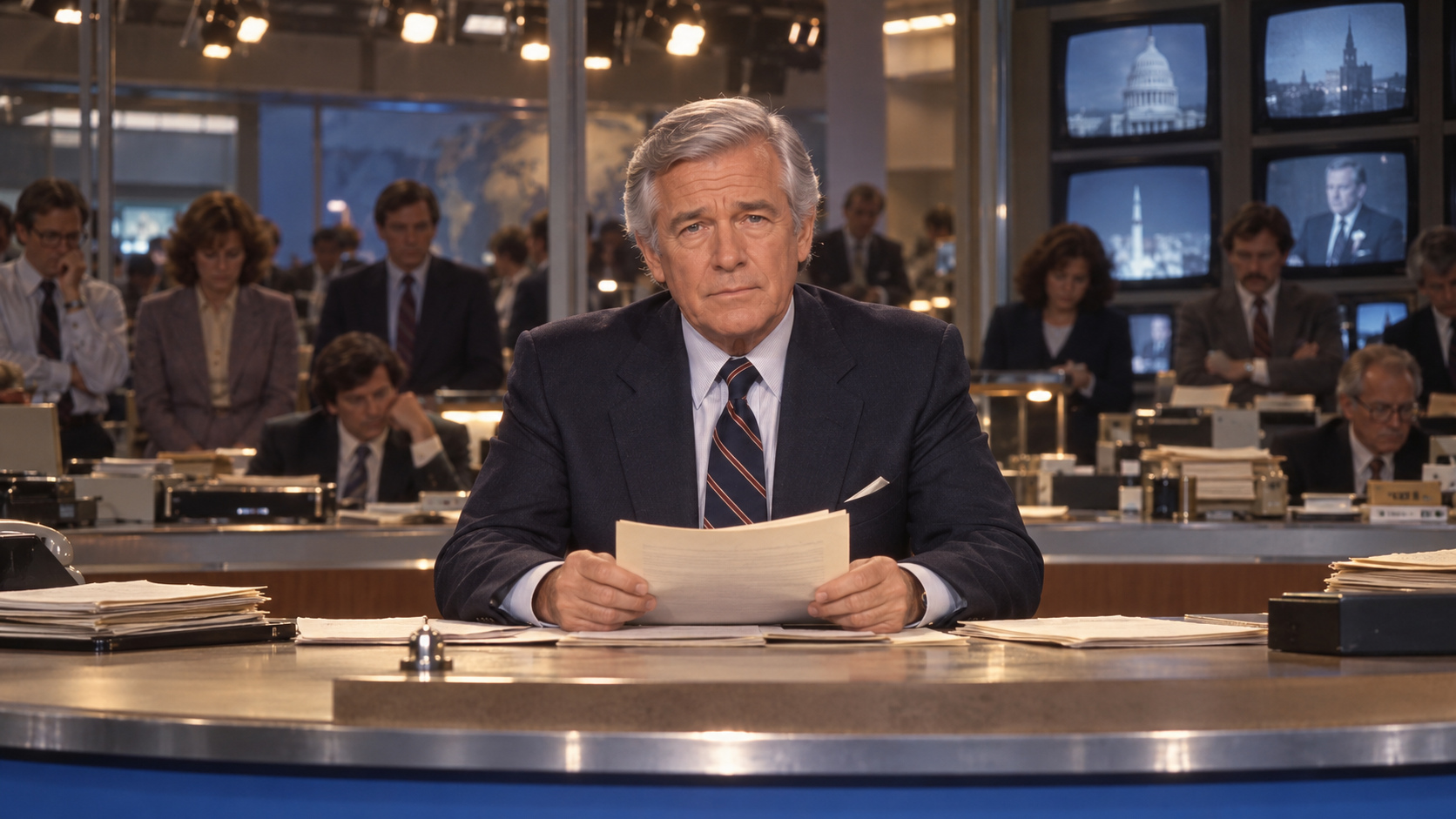
On March 6, 1981, Walter Cronkite ended his final broadcast as anchor of the CBS Evening News with the familiar phrase, “And that’s the way it is.” He had occupied the chair since 1962, covering assassinations, the space program, Vietnam, Watergate and countless elections. In an age of three major networks, his measured delivery made the nightly program a shared national ritual rather than simply one news choice among many. Seen in its own time, the occasion was more than a tidy calendar entry. It emerged from choices by performers, writers, technicians, executives and audiences, each working within the opportunities and constraints of the period. Restoring that setting keeps the story human and specific instead of treating a complicated cultural shift as inevitable.
Cronkite’s authority rested partly on performance—an even cadence, visible curiosity and restrained emotion—but also on reporting institutions that placed enormous resources behind a single broadcast. His reaction to the Apollo 11 landing and his 1968 assessment of the Vietnam War became touchstones because viewers saw a trusted professional registering the stakes in real time. The final sign-off acknowledged continuity: Dan Rather would take over, and Cronkite planned other work. The reaction also shows how popular culture gathers momentum. A premiere, broadcast, release or public appearance can feel self-contained on the day, yet its meaning expands through reviews, radio, television, sales, conversation and imitation. Those channels reach people unevenly, but together they can turn one event into a reference point that later work follows, revises or rejects.
The farewell now marks the end of a media environment as much as the end of one tenure. Cable news, digital publishing and social platforms fragmented the audience that network anchors once gathered nightly. Nostalgia can exaggerate unanimity, and Cronkite’s era contained exclusions and institutional blind spots, but his last broadcast remains a useful measure of how much public trust was invested in the voice behind a news desk. That longer view is why the date still matters. It opens a door onto changes involving many contributors, including people whose labor was less visible than the headline names. Recordings, films, photographs and documents allow later audiences to reconsider both the achievement and its limits. Pop history is strongest when celebration is paired with context, and this anniversary leaves room for both. Its afterlife also shows that cultural memory is active: anniversaries, restorations, reissues and fresh criticism keep changing which details receive attention and which assumptions are questioned. Looking back does not mean pretending everyone experienced the moment alike; it means noticing the distance between a public milestone, the industry around it and the private reactions beyond the spotlight.
Cronkite had anchored the CBS Evening News since 1962 and ended his final edition with his signature closing line.
The setting and sequence matter because they show how Walter Cronkite’s final CBS Evening News broadcast reached the public on this particular date.
The farewell transferred the anchor chair to Dan Rather while prompting viewers to reflect on nearly two decades of shared events.
The immediate response traveled through the era’s available channels, from press and broadcast coverage to ticket buyers, listeners and viewers.
Cronkite’s tenure remains a benchmark for broadcast authority and for debates about trust in an increasingly fragmented news culture.
Its reputation has kept developing through preservation, scholarship, revival and the interpretations of later audiences.
Explore more of "On This Day ..."
Discover more events from the same date across news, politics, technology, sports, and other fields. Each link highlights significant moments that shaped history on different fronts.